Dark Wood Interior Design: Why Walnut and Rich Tones Are Replacing Pale Oak in 2026
After fifteen years of pale Scandinavian oak, dark wood is back. Houzz reports searches up 187%. Here is how to bring walnut, mahogany, and rich timber into every room without making your home feel heavy.
 Easy Room AI Team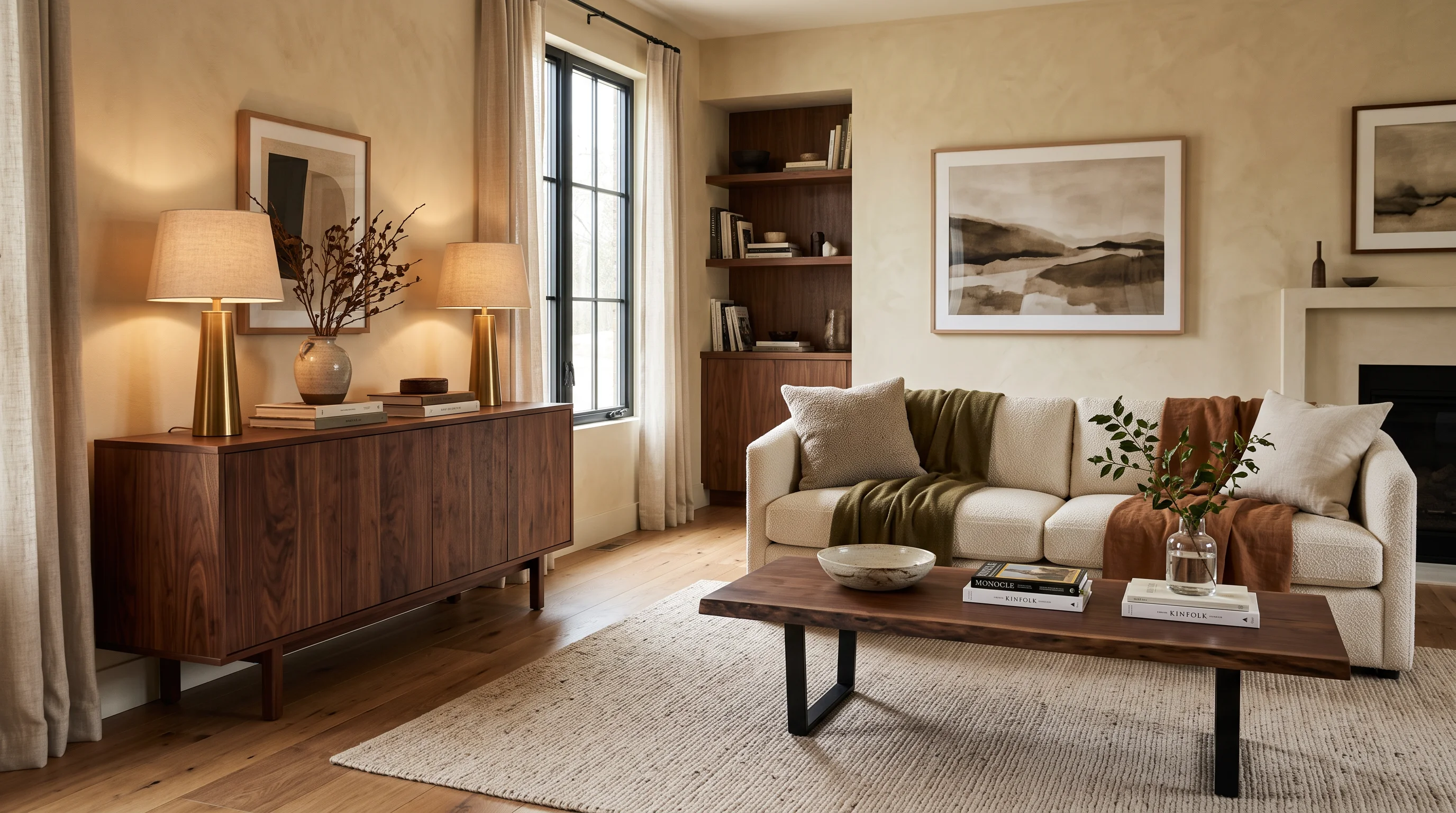
After roughly fifteen years of bleached oak, white-washed pine, and pale ash dominating every corner of our homes, the pendulum has swung. Dark wood is back — and the data is decisive. Houzz reports that searches for "dark wood" rose 187 percent in the first three quarters of 2025 compared with the same period the year before. Country Living surveyed 100 interior designers and named darker brown furniture a top trend for 2026. And in Vogue's midyear trends roundup, designer Lauren McGrath of Studio McGrath confirmed: "Darker-toned woods are making their return after many years of paler varieties dominating."
This is not a return to your grandmother's heavy Victorian parlor. The dark wood of 2026 is leaner, lighter in silhouette, and designed to mix — not match. Here is how to use it in every room of your home.
Why dark wood is replacing pale oak
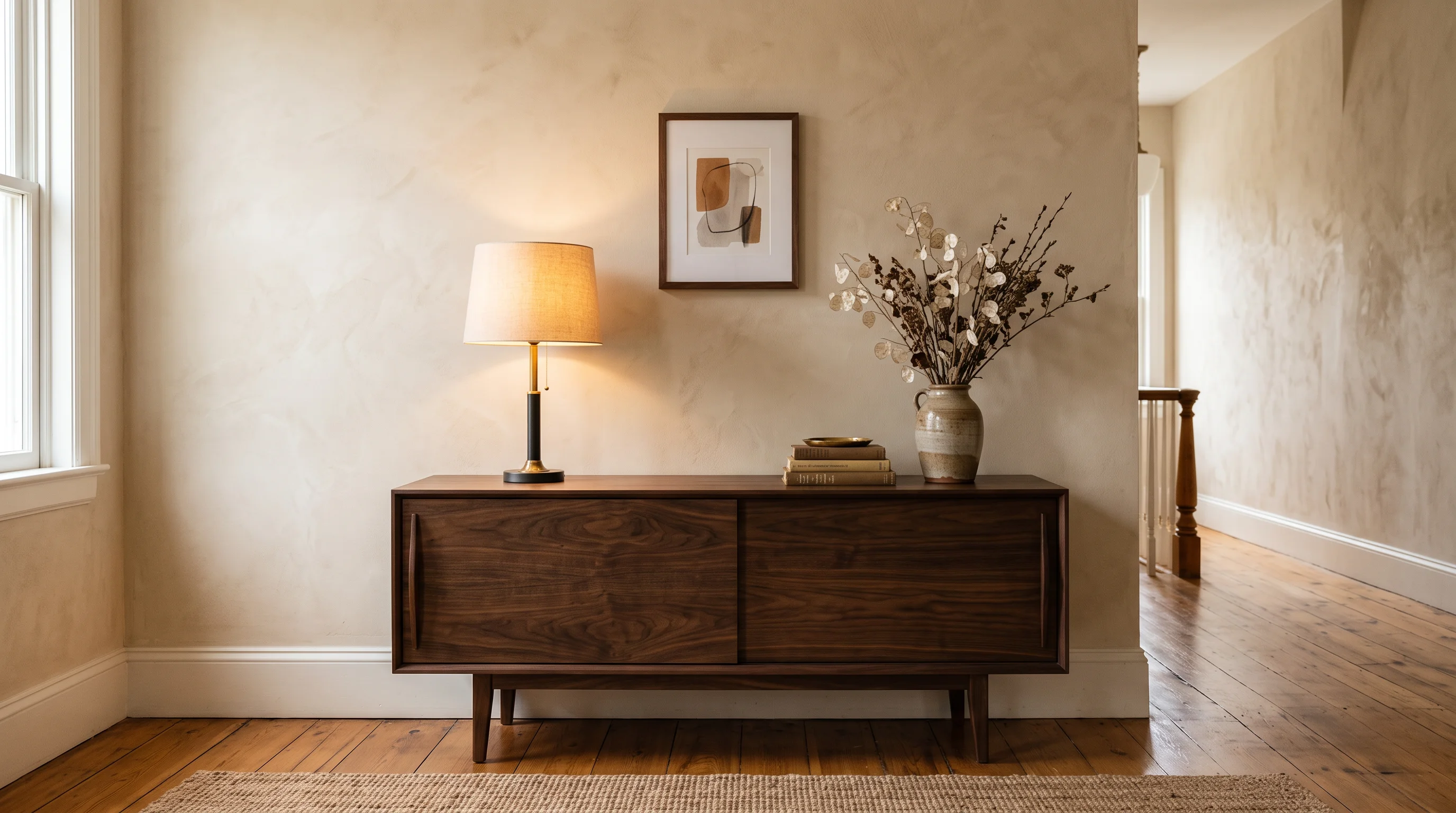
The pale Scandinavian look solved a real problem: it made small rooms feel bigger and cleaner. But a decade in, the formula started feeling weightless. Rooms looked interchangeable. Furniture felt disposable.
Dark wood offers the opposite — depth, warmth, and a sense of permanence. Several forces are driving the shift:
- The "cocooning" instinct. After years of open, bright, Instagram-ready rooms, homeowners want spaces that feel grounding and restorative. Benjamin Moore's team described the pull as toward "earthy neutrals, softened browns and nature-inspired tones… interiors that feel cocooned and restorative."
- Sustainability logic. Quality dark wood — walnut, mahogany, teak — is built to last decades. Unlike fast furniture made from composite materials, these pieces can be repaired, refinished, and passed down. In an era of disposable culture, permanence is a design statement.
- The brown-beats-gray data. The 1stDibs 2026 designer survey found chocolate brown is the top anticipated color at 33 percent — nearly double its 2022 share. Houzz confirms: chocolate brown searches rose 153 percent, and rust is up 178 percent.
The three dark woods worth knowing
Not all dark wood is the same. The species you choose shapes the entire mood of a room.
| Wood | Undertone | Best for | Price range |
|---|---|---|---|
| Walnut | Grey-brown, cool-neutral | Modern and Japandi spaces | $$–$$$ |
| Mahogany | Red-brown, warm | Traditional and formal rooms | $$$–$$$$ |
| Dark-stained oak | Varies by stain | Budget-conscious updates | $–$$ |
Walnut is the 2026 favorite. It ages forward into honey-amber rather than fading toward grey, and its visible grain reads as honest wood rather than a painted surface. As Walnutry's Dark Japandi guide notes, walnut sits at the center of the dark wood revival because it works equally well in restrained Japanese-inspired rooms and more layered European interiors.
Mahogany is the heritage choice. Country Living's designer survey specifically called it out as the material that gives a room "a specific sense of permanence." If you are building a living room that should feel like it has been there for decades, mahogany is usually the right answer.
Dark-stained oak or pine is a different category. The stain sits on top of the grain rather than being part of it, and over time it reads differently than naturally dark species. For investment pieces, choose the real thing. For budget-friendly experiments, stained oak gets you close.
Preview Earthy Rustic in Your Space
Upload a photo of your space to test Earthy Rustic instantly with AI — 100% free.
Supports JPG, PNG, WebP up to 10MB
Dark wood in the living room
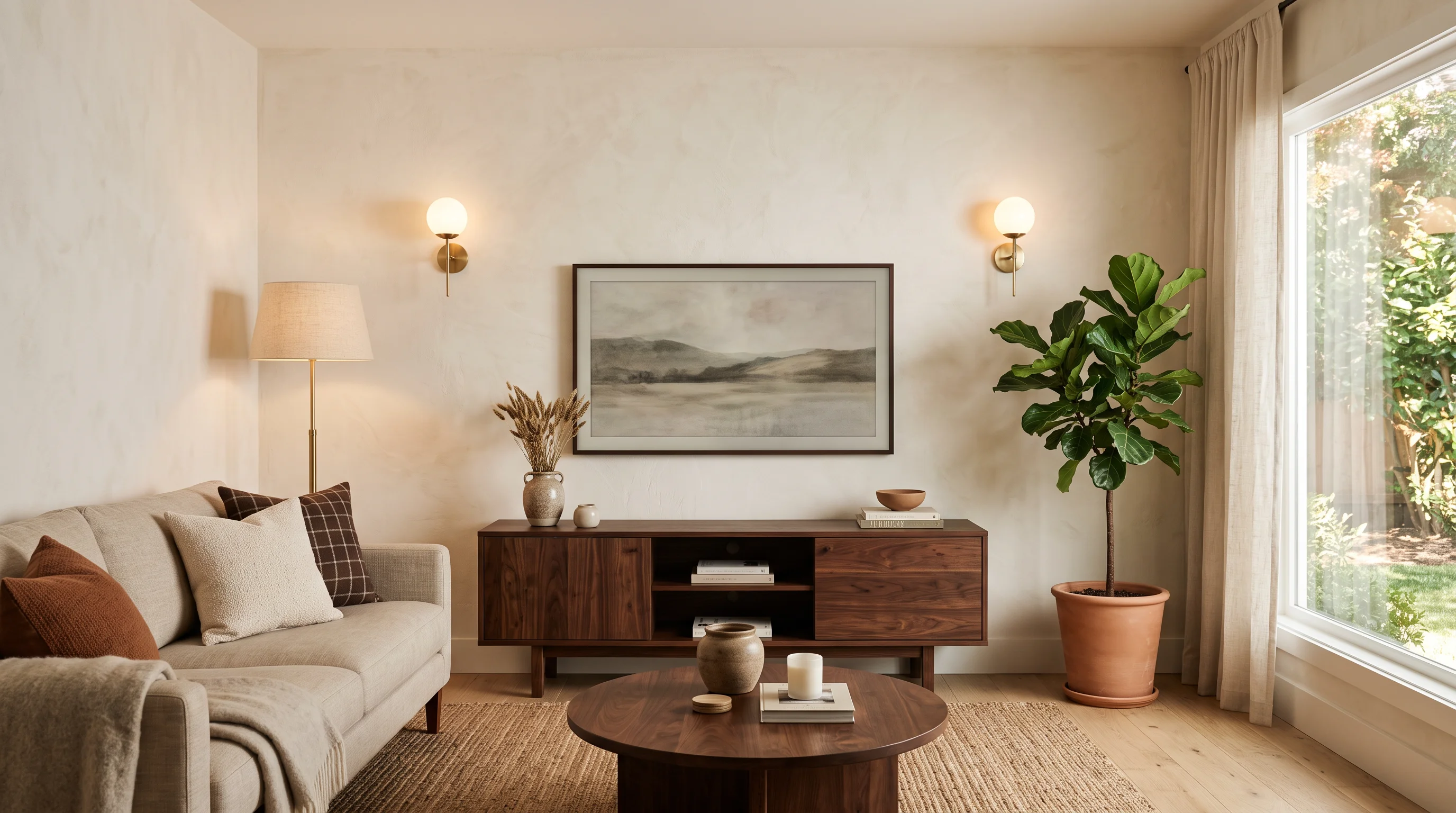
The living room is where dark wood makes its biggest impact. One anchor piece — a walnut coffee table, a mahogany bookcase, a dark-stained media console — can transform the entire room without a renovation.
The one-piece rule. Start with a single dark wood focal point rather than filling the room. A walnut credenza against a warm plaster wall creates more drama than an entire suite of matching furniture. As designer Wendy Labrum advises in Vogue, "Never match wood grain in a room. There needs to be the right variation of tone and texture to make a space feel interesting and collected instead of catalogue."
Pair with soft contrast. Dark wood absorbs light, which creates coziness but needs balance. Layer it with linen upholstery, a light-toned rug, and warm white walls. The contrast between the weight of the wood and the softness of the textiles is what makes the room feel inviting rather than heavy.
Light it properly. Livarea's design team recommends always combining dark woods with warm light sources: "Indirect light on a walnut surface truly brings out the natural grain and depth of the wood." Skip the single overhead fixture. Layer table lamps, sconces, and floor lamps at multiple heights.
Dark wood in the bedroom
The bedroom is where the "cocooning" narrative hits hardest. Vogue reports designers doing "a lot of sleigh-style beds that cocoon and envelop for comfort and style" — timber headboards that wrap around you, creating a sense of shelter.
Statement headboard or frame. A walnut platform bed or a dark oak headboard anchors the room without needing matching nightstands. In fact, mismatched side tables — one dark wood, one lighter — create the collected look that defines 2026 interiors.
Warm the palette. Dark wood bedrooms pair beautifully with warm neutral tones — cream, oatmeal, soft mushroom — and jewel-tone accents like deep plum or navy. Avoid cool grays, which fight the warmth of the timber.
Ground with texture. A high-pile wool rug, heavy linen curtains, and a bouclé throw on the bed give the room enough softness to balance the visual weight of the wood.
Dark wood in the kitchen
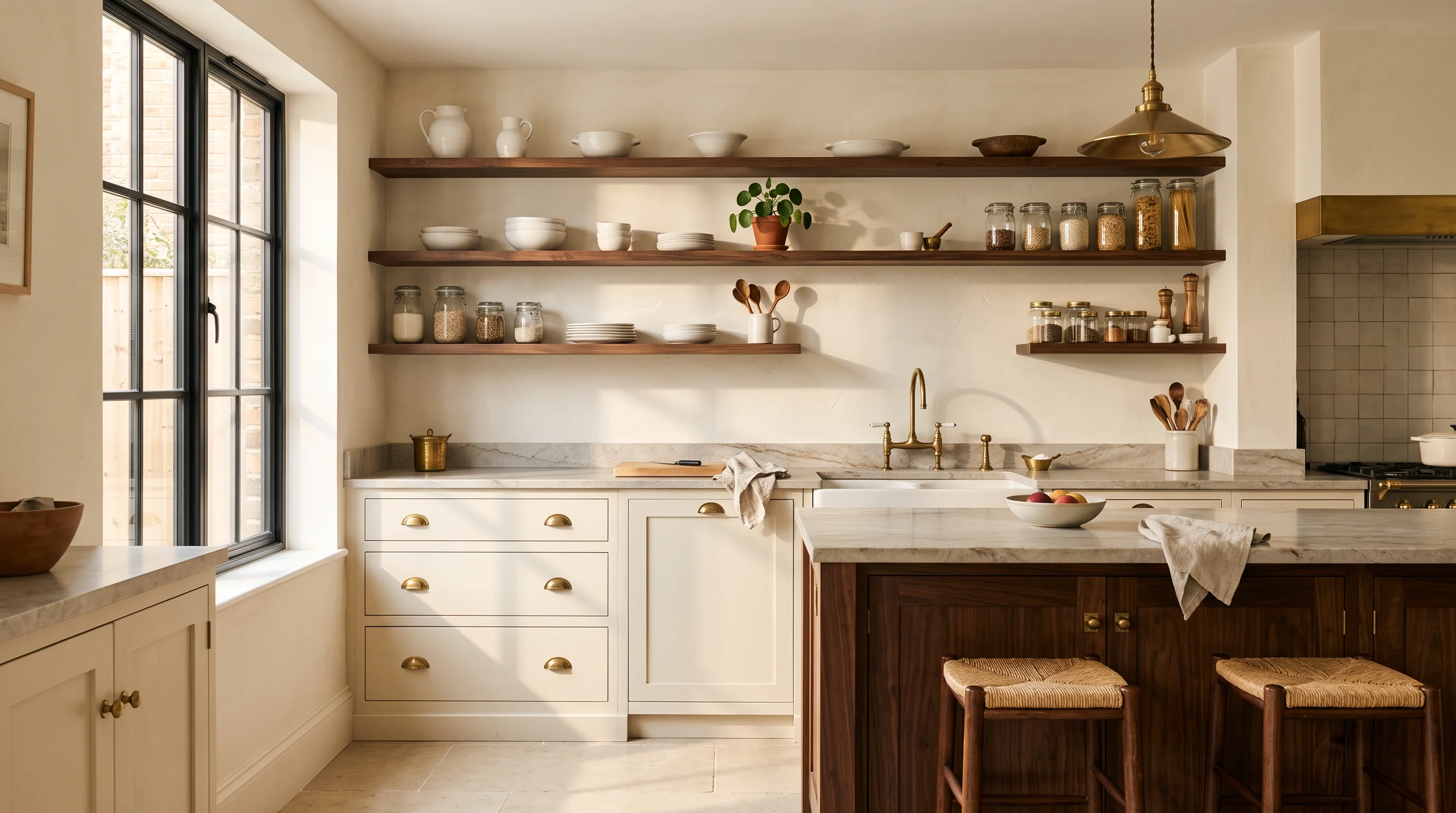
Dark wood kitchens are the frontline of the trend. Houzz's Summer 2026 report shows warm wood tones surging across cabinetry, islands, and open shelving. The approach has evolved well beyond the heavy dark-cherry kitchens of the early 2000s.
The island anchor. A dark walnut or smoked oak island paired with lighter perimeter cabinets creates a focal point without overwhelming the space. This two-tone approach is the most common way designers are introducing dark wood into kitchens right now.
Open shelving in dark timber. Replacing upper cabinets with floating shelves in walnut or dark oak adds warmth and depth while keeping the kitchen feeling open. Style them with ceramics, glassware, and a few green plants for contrast.
Pair with warm metals. Unlacquered brass, brushed bronze, and matte gold hardware complement dark wood far better than chrome or brushed nickel. The warm metals echo the warmth of the timber and create a cohesive material story.
For more kitchen direction, see our guides to kitchen design ideas, muted kitchen colors, and kitchen cabinet color trends for 2026.
How to style dark wood without making your room feel heavy
The number one fear with dark wood is creating a cave. These five rules prevent it:
- One hero, not a fleet. Let one or two dark wood pieces anchor the room. Everything else can be lighter, softer, or a different material entirely.
- Mix wood tones freely. A dark walnut sideboard can coexist beautifully with medium oak flooring and lighter ash dining chairs. The variation creates depth, not chaos.
- Warm walls, not white. Pair dark wood with warm whites, cream, or soft plaster tones rather than stark bright white, which creates too harsh a contrast. Limewash walls and venetian plaster are particularly good partners.
- Layer your lighting. Ceiling fixture plus sconces plus table lamps. Three sources minimum. Stick to 2700K warm white bulbs — cool white light on dark wood turns warmth into gloom.
- Break up with textiles. Linen, wool, bouclé, and woven textures prevent the room from feeling like a wood showroom. They add the softness that dark timber needs.
Three dark wood mistakes to avoid
Matching everything. A complete dark wood bedroom set — bed, nightstands, dresser, mirror frame — looks dated immediately. Mix periods, mix species, mix finishes.
Ignoring scale. Victorian-era dark furniture was massive because Victorian rooms were massive. In a modern apartment, choose pieces with leaner profiles and simpler lines. The dark wood returning in 2026 has lighter shapes than its ancestors, with less ornament and more restraint.
Fighting the grain. Dark wood has beautiful natural grain. Do not cover it with thick lacquer or high-gloss finishes. Oil finishes, matte sealants, and honed surfaces let the grain breathe and develop character over time.
Preview dark wood in your own room
Not sure if a walnut dining table or dark oak shelving will work in your space? The fastest way to find out is to see it before you buy. Upload a photo of your room and try different dark wood furniture and finishes with AI — no commitment, no furniture store trip, just a clear picture of what works.
FAQ
Is dark wood furniture outdated? No. Dark wood was the dominant material in well-built homes for nearly three hundred years before the pale-wood era of the 2010s. The 2026 comeback is well-documented: Houzz reports searches up 187 percent, and major publications from Vogue to Country Living confirm the trend.
What colors go with dark wood furniture? Warm neutrals work best — cream, oatmeal, taupe, warm mushroom tones. For bolder statements, pair dark wood with jewel tones like navy, olive green, or deep rust. Avoid cool grays, which clash with the warmth of the timber.
Can you mix dark and light wood in one room? Absolutely — designers recommend it. The key is varying tone and texture while keeping the overall style coherent. A dark walnut table with lighter oak chairs and a medium-toned floor creates a layered, collected feel that looks intentional rather than mismatched.
Is walnut or mahogany better for modern interiors? Walnut tends to read more contemporary because of its cool grey-brown undertone. Mahogany leans warmer and more traditional with its red-brown base. For modern or Japandi-style rooms, walnut is usually the better choice.
How do I keep dark wood furniture from making a room feel small? Limit dark wood to one or two anchor pieces, pair with warm light walls rather than bright white, layer your lighting with multiple sources at different heights, and use plenty of soft textiles (linen, wool, bouclé) to balance the visual weight.
Ready to Transform Your Space?
Try AI room redesign for free - no credit card required.
Start Designing FreeRelated reading
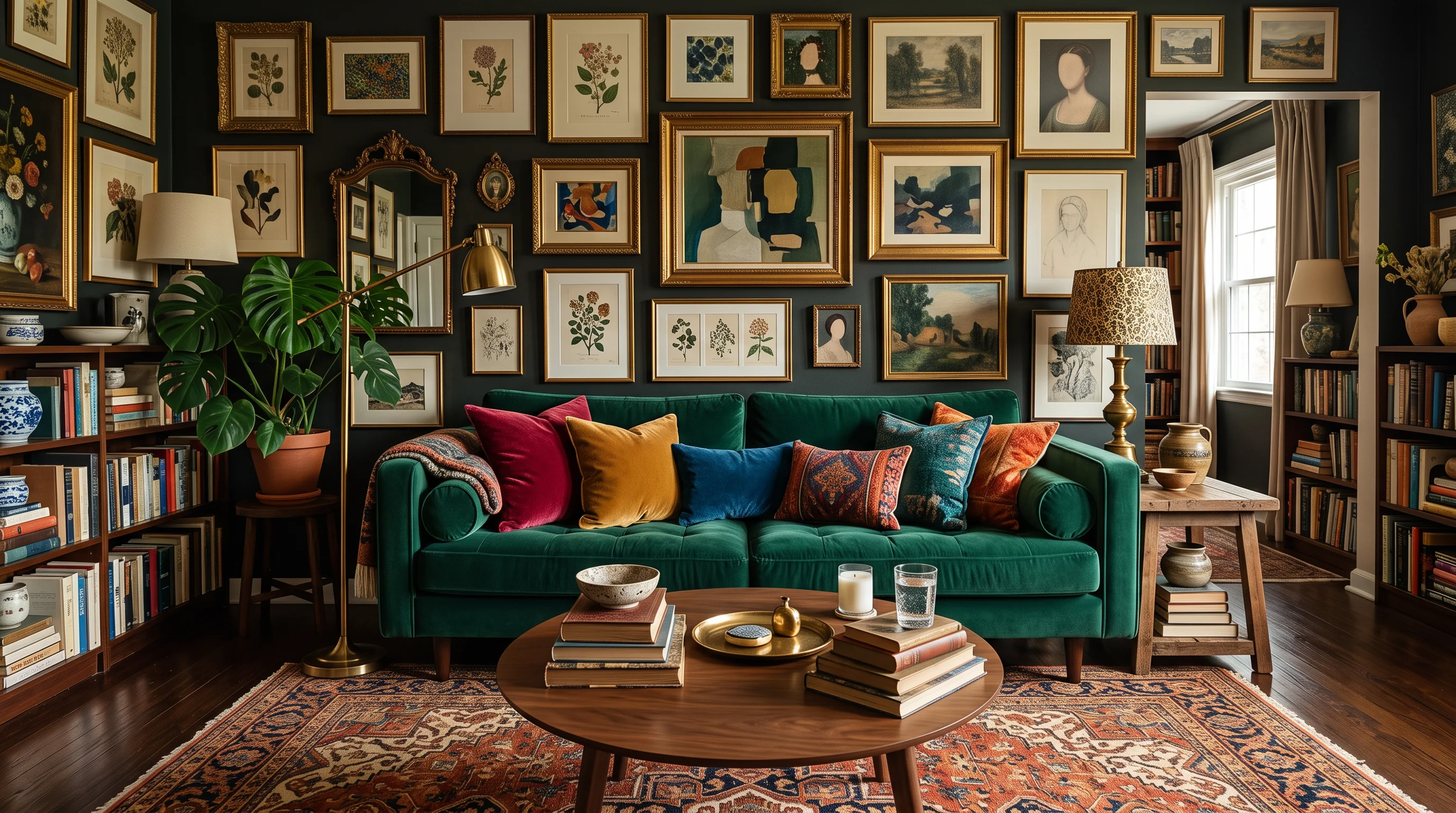
Maximalist Interior Design: The 2026 Guide to Bold, Curated, Personal Spaces
Minimalism had its decade. Pinterest reports eclectic apartment searches up 630% and vintage maximalism up 260%. Here is how to do maximalist interiors with intention — bold color, layered pattern, personal story, zero chaos.
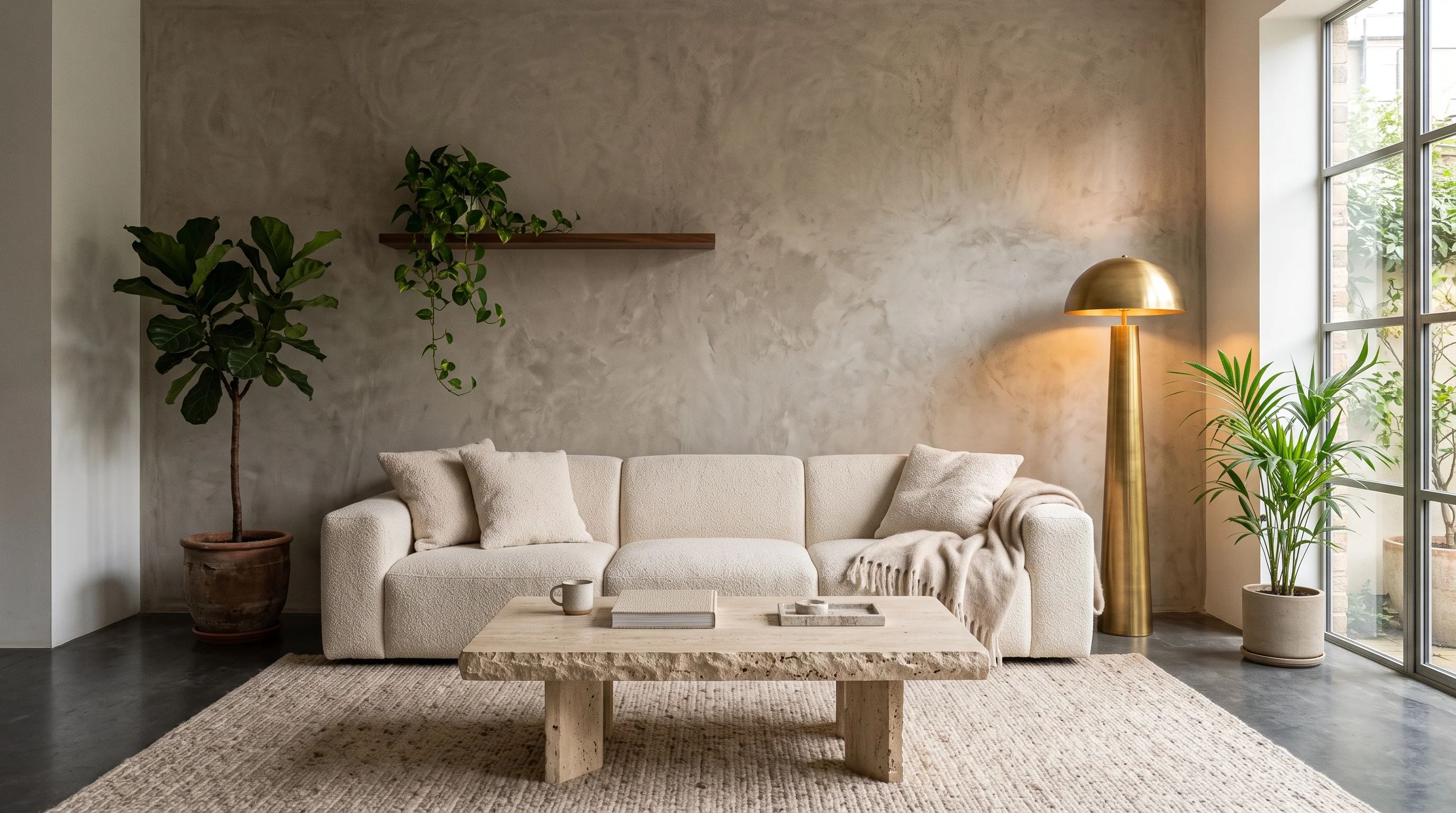
Brutalist Interior Design: The Soft Brutalism Guide for Livable Concrete Spaces in 2026
Brutalist furniture searches hit 6,600/month. But 2026's version is not cold concrete — it is Soft Brutalism: raw materials balanced with bouclé, warm wood, and layered lighting. Here is how to get the look without living in a bunker.
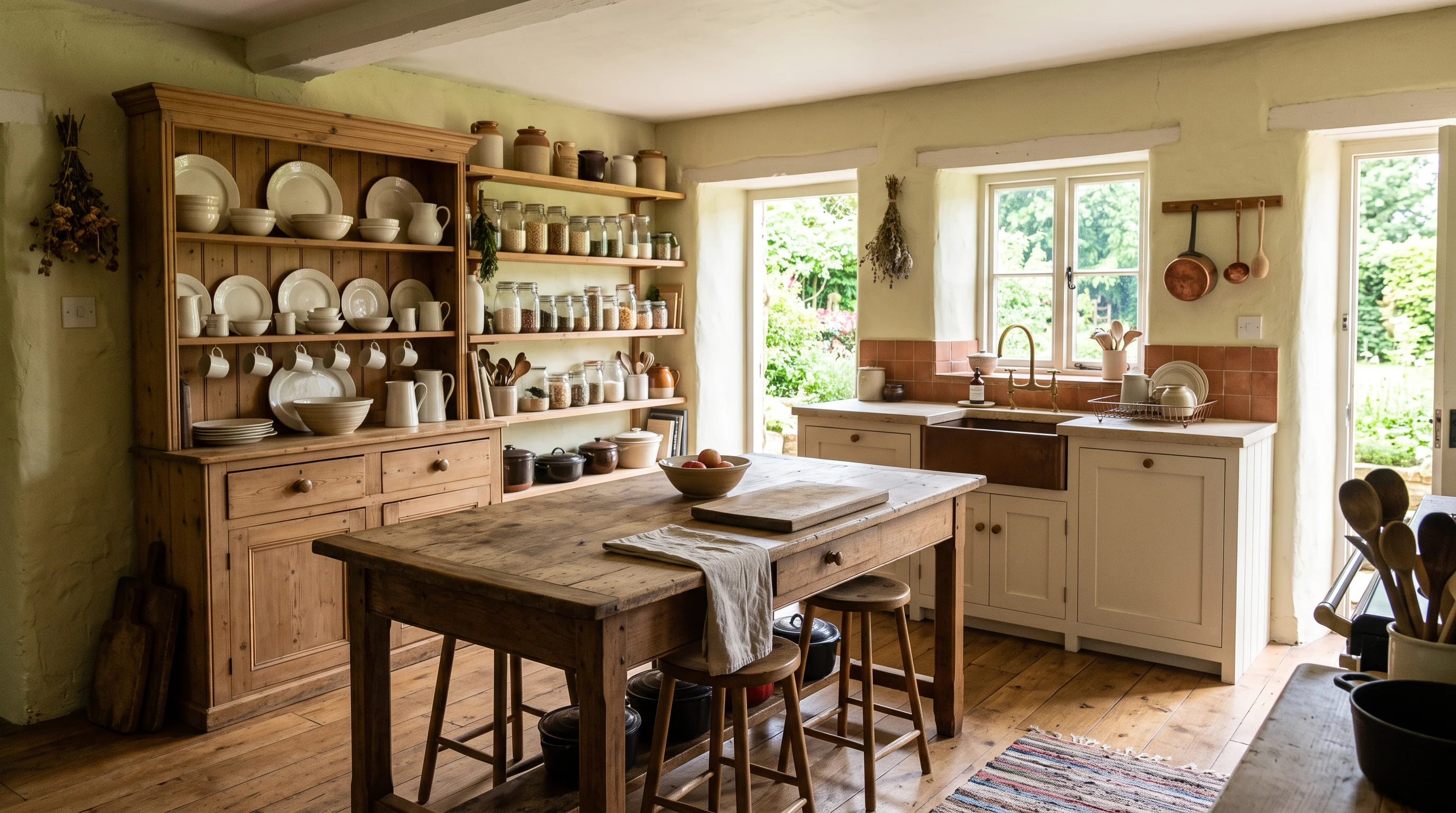
Unfitted Kitchen Ideas: The Budget-Friendly Trend Replacing Built-In Cabinets in 2026
Built-in cabinetry costs are surging 50% in 2026. Unfitted kitchens use freestanding furniture instead — saving thousands while creating a space with more character than any showroom kitchen.