20 Venetian Plaster Wall Ideas — The Finish That Makes Paint Look Flat (2026)
Venetian plaster is the texture of the year — Houzz searches are up 82% and climbing. Here are 20 venetian plaster wall ideas: feature walls, color palettes, DIY vs. professional finishes, and the rooms where plaster transforms flat paint into something alive.
 Easy Room AI Team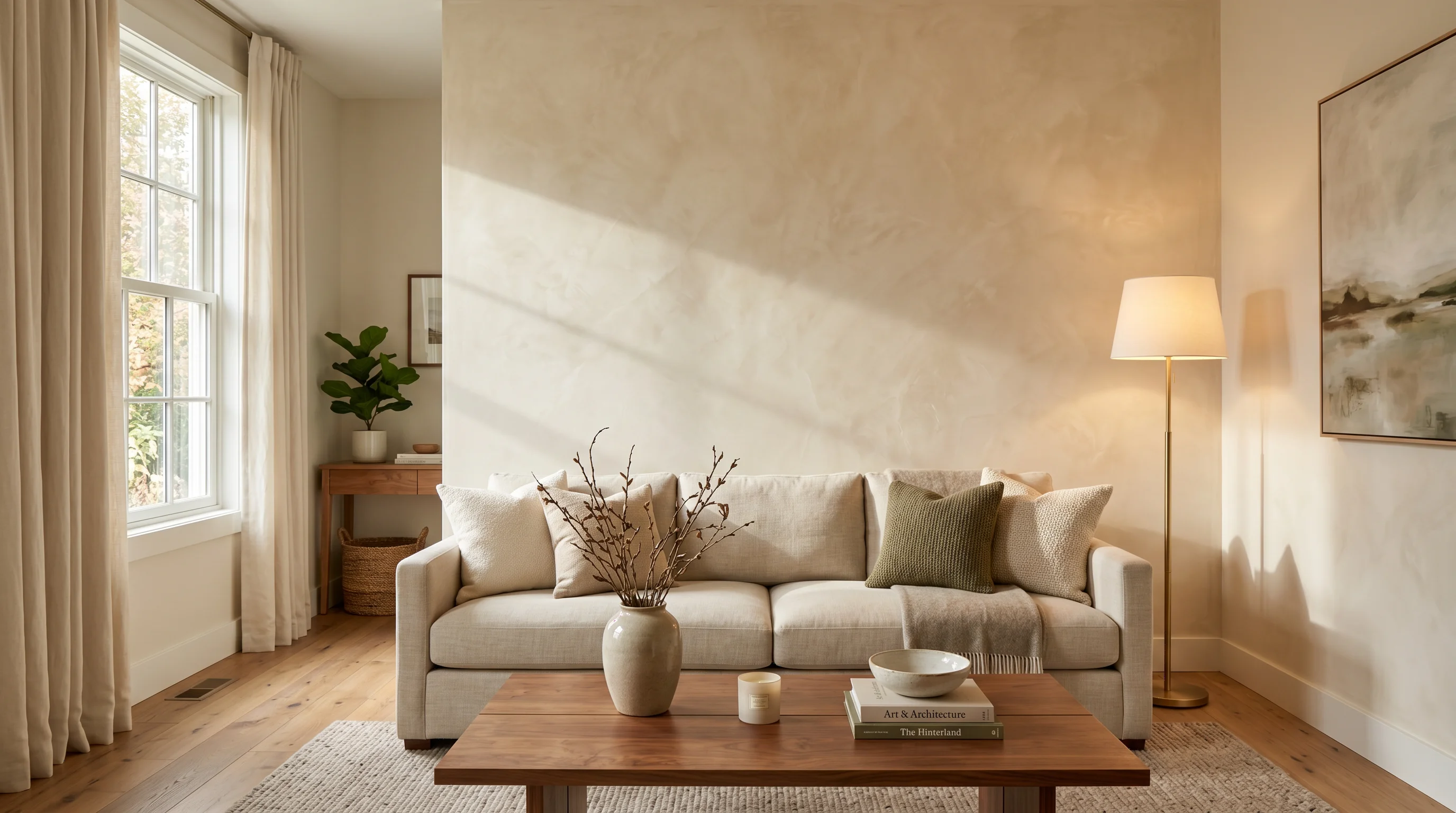
Paint is a surface. Venetian plaster is a material. That distinction — something you can feel, something that changes with light, something that has depth — is why plaster is dominating interior design in 2026. Houzz's 2026 Summer Trends Report puts Venetian plaster searches up 82%, part of a broader surge in tactile textures that includes stone (+148%), limewash (+109%), and sandstone (+204%). Flat, one-dimensional walls are out. Walls that respond to light and invite touch are in.
The practical truth: authentic Venetian plaster is not cheap. Professional installation runs $10–30 per square foot, and a single accent wall costs $1,500–$4,500. But you don't need to plaster every wall. One feature wall — behind the bed, around the fireplace, in the powder room — can transform a room the way no paint color ever will. Here are 20 Venetian plaster wall ideas, from high-gloss polished finishes to soft lime washes, and the rooms where plaster makes the biggest impact.
In this guide you will learn:
- What Venetian plaster is and why it's trending now
- 20 Venetian plaster ideas by room and finish type
- Cost breakdown: DIY vs. professional
- Color palettes that work with plaster
- How to preview a plaster finish on your walls before committing
What is Venetian plaster
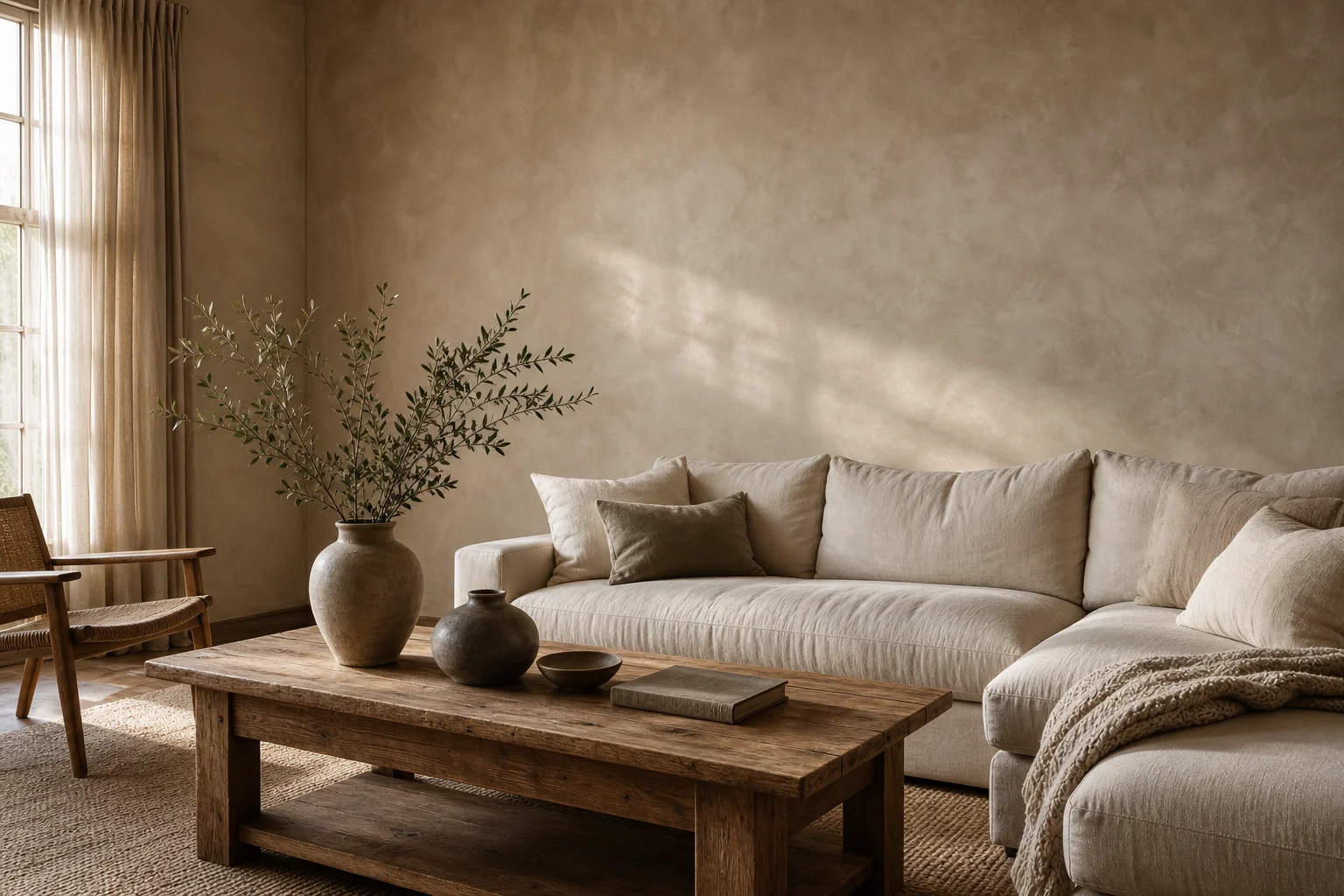
Venetian plaster is a lime-based wall finish applied in thin layers with a steel trowel, then burnished to create depth, movement, and a luminous surface that flat paint cannot replicate. No two walls are identical — the applicator's hand, the number of layers, and the burnishing pressure create natural variation that makes each surface unique. Traditional formulations (Marmorino, Stucco Veneziano) use slaked lime and marble dust; the result ranges from matte and chalky to high-gloss and marble-like, depending on technique. See our broader guide to textured walls for how plaster fits into the full spectrum of wall treatments.
Feature wall ideas
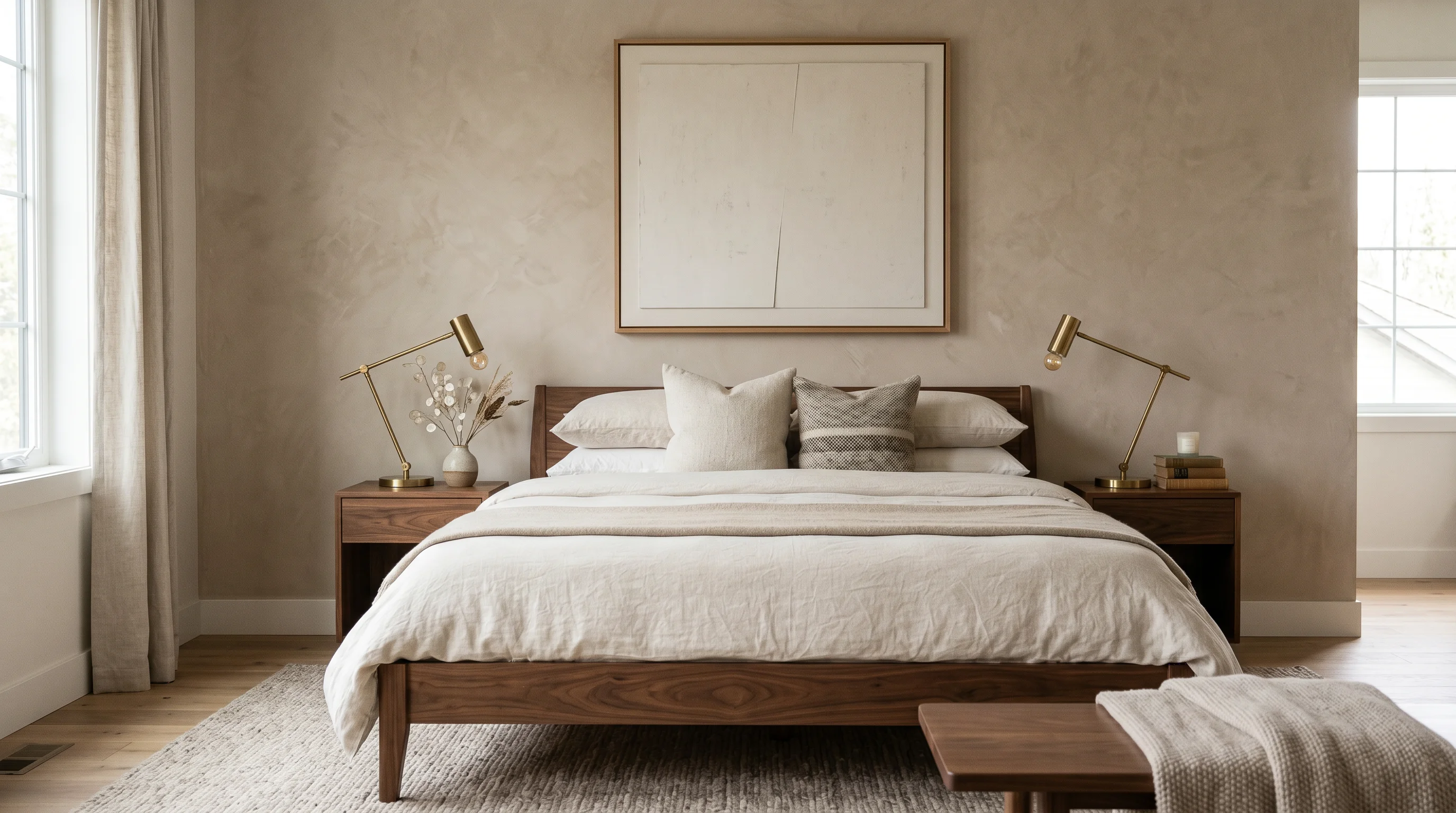
1. A Venetian plaster headboard wall in the bedroom. The wall behind the bed is the single most impactful surface in a bedroom — and plaster turns it into something you notice every time you walk in. A warm ivory or soft mushroom plaster catches morning light differently than evening light, making the room feel alive. Keep the other three walls in a flat matte paint that matches the plaster's base tone.
2. A fireplace surround in polished plaster. A high-gloss burnished plaster around the fireplace creates a marble-like finish without the weight or seam lines of stone. The reflective surface amplifies firelight, and the seamless application wraps corners and curves that tile or stone cannot follow.
3. A powder room wrapped in dark Venetian plaster. Small rooms are where plaster punches hardest. A powder room in charcoal or deep olive plaster — walls and ceiling — becomes a jewel box. The depth and sheen of plaster in a small space creates a moody, enveloping atmosphere that flat paint in the same color simply cannot achieve.
4. A dining room accent wall in warm terracotta plaster. Terracotta-toned plaster behind a dining table brings warmth and richness to evening dinner parties. The color deepens under candlelight and glows under pendant lighting — this is one of the most photogenic applications of Venetian plaster. Pair with our terracotta living room ideas for a cohesive warm palette throughout the home.
Redesign Your Room in Seconds
Upload a photo of your space to test 16 curated design styles instantly with AI — 100% free.
Supports JPG, PNG, WebP up to 10MB
Finish types
5. High-gloss polished (Stucco Veneziano) for a marble effect. Multiple layers burnished to a high sheen create a finish that looks like polished marble — reflective, smooth, and luminous. Best in formal rooms, entryways, and bathrooms where you want drama.
6. Matte lime plaster (Marmorino) for understated texture. A softer, chalkier finish with more visible trowel marks and gentle movement. Matte plaster reads as warm, organic, and European. It is the more forgiving option for DIY because small imperfections add character rather than looking like mistakes.
7. Tadelakt for wet areas. A traditional Moroccan lime plaster that becomes waterproof when burnished with olive oil soap. Tadelakt is the only plaster finish appropriate for showers, tub surrounds, and wet room walls. It has a soft, slightly waxy sheen and a hand-shaped quality that no tile can match.
Color palettes
8. Warm white and cream — the safe bet that still transforms. Even if you are not ready for bold color, white or cream Venetian plaster looks nothing like white paint. The tonal variation, the subtle sheen, the way it catches raking light — it adds dimension to a room without adding color. This is plaster for people who love neutrals.
9. Mushroom and warm greige for the 2026 neutral. The color that replaced cool gray across interiors is equally powerful in plaster. Mushroom-toned plaster has a warmth and depth that makes it feel expensive. Pair with warm walnut wood and brushed brass. See our mushroom color paint guide for the flat-paint version and notice the difference plaster makes.
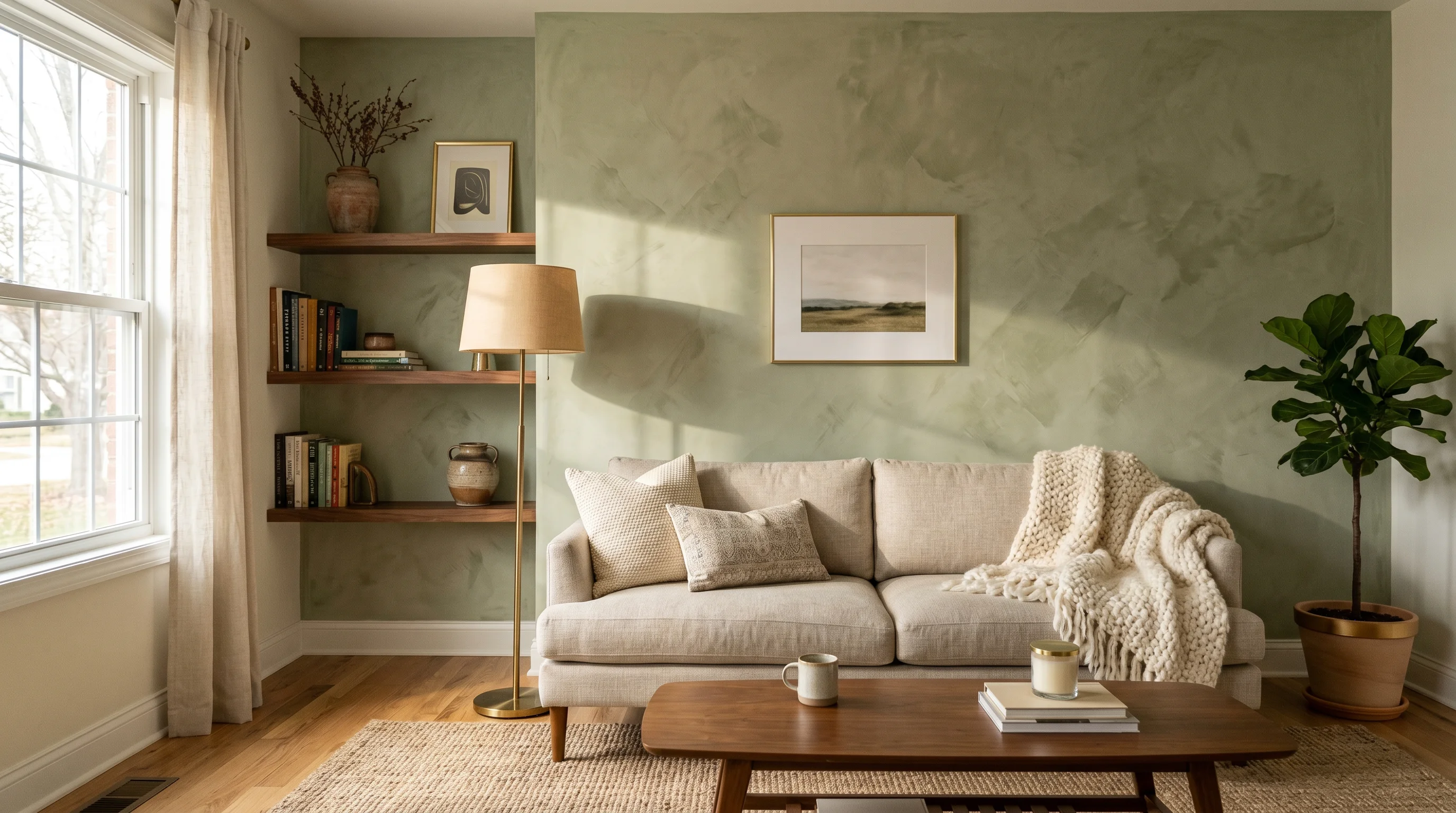
10. Sage and olive green for a nature-connected wall. Green plaster reads as both sophisticated and organic — particularly sage and muted olive tones. The natural variation in plaster means the green shifts subtly across the surface, mimicking the way light moves through leaves. See our dark green home office for how green walls anchor a workspace.
11. Charcoal and deep navy for moody, enveloping rooms. Dark colors in flat paint can feel oppressive. Dark colors in Venetian plaster feel luxurious because the luminosity of the lime catches light even in the deepest tones. A charcoal plaster bedroom or navy plaster study has a richness that dark flat paint cannot replicate.
12. Blush pink and warm clay for a soft feminine palette. Soft blush or warm clay-pink plaster in a bedroom or bathroom creates a gentle, enveloping warmth. The lime base keeps pink from feeling saccharine — it reads as earthy and sophisticated rather than sweet.
Room-specific ideas
13. A kitchen backsplash area in sealed Venetian plaster. Sealed plaster as a backsplash — typically behind the sink and counter, sealed with a food-safe wax — creates a seamless, grout-free surface that reads as far more refined than tile. It works best in kitchens where the backsplash is a visual statement rather than a heavy-duty splash zone.
14. A bathroom vanity wall in polished plaster. The wall behind the vanity mirror benefits enormously from plaster: the reflective surface bounces light from sconces and the mirror, and the seamless finish wraps around edges and niches in a way tile cannot. Pair with warm wood and brass fixtures.
15. A hallway or stairwell as a plaster gallery. Long hallways and stairwells are often neglected, but they are ideal for plaster because the raking light from windows at either end activates the texture dramatically. A single tone of Venetian plaster turns a pass-through into a destination. For more ways to make a narrow corridor feel intentional, see our small hallway ideas.
DIY vs. professional
16. The $500 DIY feature wall with lime plaster. If you want to try plaster yourself, start with a single accent wall under 100 square feet. A lime-based product like Marmorino Classico is the most forgiving. Materials cost roughly $5–8 per square foot; tools (stainless steel trowel, hawk, mixing bucket) add $50–100. Practice on scrap drywall before the real wall. The result will not be perfect — but in matte lime plaster, imperfection is the point.
17. Know when to hire a professional. Full-room applications, high-gloss finishes, curved surfaces, and any room where you want a flawless marble-like result: hire a professional plasterer. The skill is in the burnishing, not the material. Professional Venetian plaster costs $10–30/sqft installed, and a skilled applicator transforms the feel of a room in a way that justifies the investment.
Pairing plaster with other materials
18. Venetian plaster + natural stone + warm wood. Plaster walls, a stone coffee table or fireplace hearth, and warm walnut furniture or shelving. This trio — plaster, stone, wood — is the material foundation of 2026 interiors, driven by the same tactile-texture movement. All three are natural, warm, and respond to light.
19. Plaster walls with linen curtains and woven textiles. The textural depth of plaster pairs beautifully with other handmade, imperfect textures: linen drapes, a jute rug, a woven throw. The room reads as layered and curated without a single pattern or color.
20. Plaster as the backdrop for statement art. A clean, tonal plaster wall is one of the best backdrops for large-format art. The texture of the wall activates the negative space around the piece, and the subtle movement of plaster keeps the wall itself from feeling like a blank void. Gallery owners have known this for decades — residential designers are catching up.
Preview your plaster walls before you commit
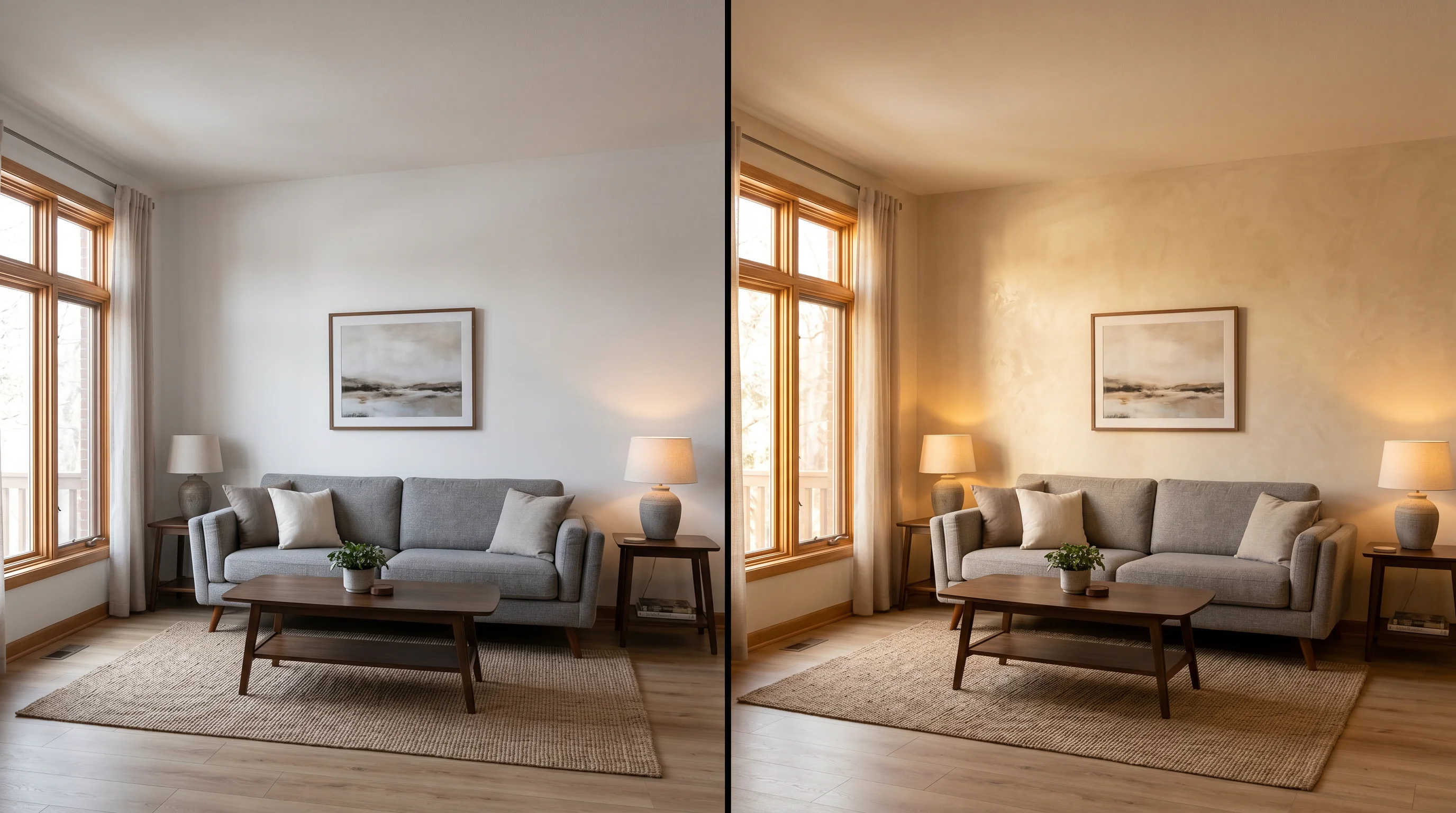
Plaster is a commitment — once it is on the wall, changing color or finish means re-plastering. Upload a photo of your room to EasyRoomAI and generate versions with different plaster tones and textures to see how the finish interacts with your light, furniture, and flooring before hiring a plasterer.
- Try a free room redesign — anonymous previews are free, no signup needed.
- For more wall treatment ideas, see our textured walls guide and limewash walls ideas.
Frequently asked questions
Is Venetian plaster worth the cost? For feature walls and high-impact rooms, yes. Plaster delivers depth, texture, and light-responsiveness that paint cannot replicate, and it lasts decades when properly applied. A single accent wall ($1,500–$4,500) can transform a room's entire feel.
Can I DIY Venetian plaster? For a matte lime plaster on a small feature wall, yes — with practice and the right materials. High-gloss or full-room applications are best left to professionals. Expect to spend $500–$600 on materials for a 100-square-foot wall.
How does Venetian plaster compare to limewash? Limewash is simpler to apply and creates a soft, chalky, cloud-like finish. Venetian plaster is more labor-intensive and creates a denser, more refined surface with greater depth and sheen. Both are lime-based; plaster is the more premium option.
What rooms work best for Venetian plaster? Bedrooms (headboard wall), powder rooms (full wrap), living rooms (fireplace wall), and hallways (raking light activates texture). Bathrooms work with Tadelakt or sealed plaster. Kitchens work as sealed backsplashes.
Does Venetian plaster work on ceilings? Yes, and it is stunning — particularly in small rooms like powder rooms or entryways where the ceiling is visible at close range. The application is more demanding (gravity), so ceiling plaster is strictly a professional job.
Venetian plaster is not a trend — it is a return to a material that has been used for centuries because nothing else creates the same depth and luminosity. Start with one wall, see how light transforms it throughout the day, and you will understand why flat paint suddenly feels one-dimensional.
Ready to Transform Your Space?
Try AI room redesign for free - no credit card required.
Start Designing FreeRelated reading
Textured Walls Are Back: Limewash, Venetian Plaster, and the End of Flat Paint
Searches for limewash and Venetian plaster are exploding in 2026. The difference between the big textured wall finishes, where each works, and how to start with one wall.

DIY Virtual Staging Software: How to Stage Listings Yourself in 2026 (Tools, Costs & Step-by-Step Guide)
Stop paying $24–$35 per photo to outsourcing agencies. Compare the top DIY virtual staging software in 2026, master the 5-step realtor staging workflow, and avoid costly MLS disclosure and perspective mistakes.
Floor Virtual Staging: How to Replace Flooring in Real Estate Photos – Without Renovating (2026 Guide)
Discover how AI floor virtual staging replaces worn carpet and dated vinyl with luxury white oak hardwood in seconds. Recover 147% resale ROI while staying 100% MLS compliant.