Limewash Walls: 22 Beige & Brown Limewash Ideas (2026)
Limewash gives walls a soft, cloudy, mineral texture you can't fake with regular paint. Here are 22 limewash wall ideas for 2026 — beige vs brown vs greige, DIY application basics, the best rooms for it, furniture pairings, and what it really costs.
 Easy Room AI Team
Limewash is the finish behind that soft, cloudy, slightly imperfect wall you keep saving — the one flat paint can never quite replicate. It's a mineral paint made from crushed, fired limestone slaked with water, and instead of sitting on the surface like acrylic, it soaks in and develops a chalky, matte patina with natural movement. As House Beautiful's expert limewash guide explains, that depth comes from the lime "blooming" to the surface as it cures.
It also fits 2026 perfectly: warm, earthy, tactile, and breathable. This guide rounds up 22 limewash wall ideas, focused on the beige-and-brown tones leading the trend, plus the practical bits — how to apply it, where it works, and what it costs.
In this guide you will learn:
- What limewash is and why it's a 2026 favorite
- The difference between beige, brown, and greige limewash
- DIY limewash basics, step by step
- The best rooms for a limewash finish
- How to pair furniture with limewash walls
- What limewash costs and how durable it is
1. What limewash is and the 2026 appeal
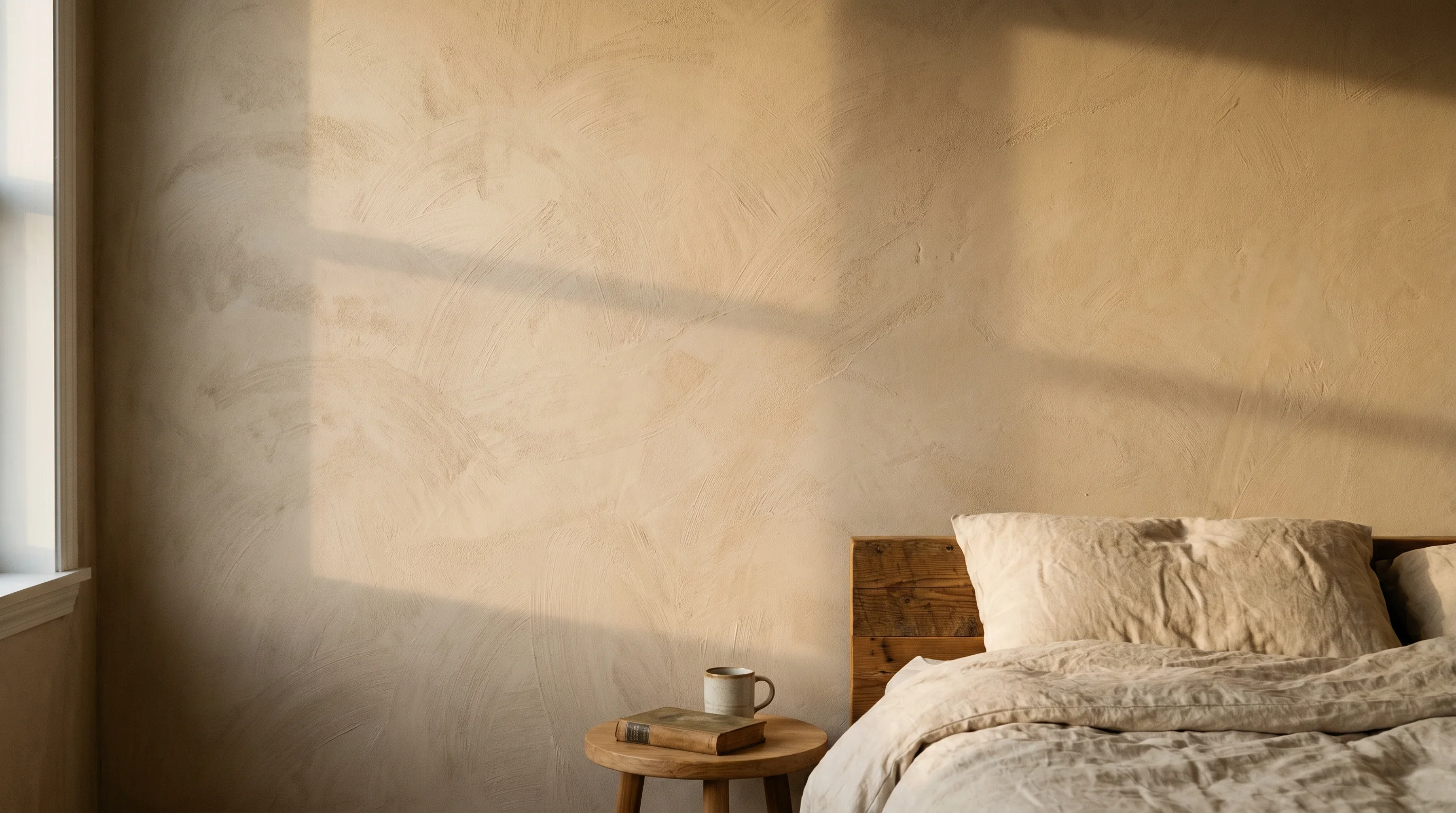
Limewash isn't a color so much as a finish. Because it penetrates a porous wall rather than coating it, it dries completely flat and softly absorbs light, giving rooms a calm, sophisticated depth. A few reasons it's everywhere in 2026:
- Texture and movement: subtle cloudy variation that reads as handmade, not flat.
- Warm and earthy: it suits the year's shift toward beige, brown, and clay tones.
- Breathable and low-VOC: it lets moisture evaporate rather than trapping it, which can help reduce mold risk.
The takeaway: choose limewash when you want a wall with character and patina — it's the opposite of a flat, builder-grade finish.
2. Beige vs brown vs greige limewash
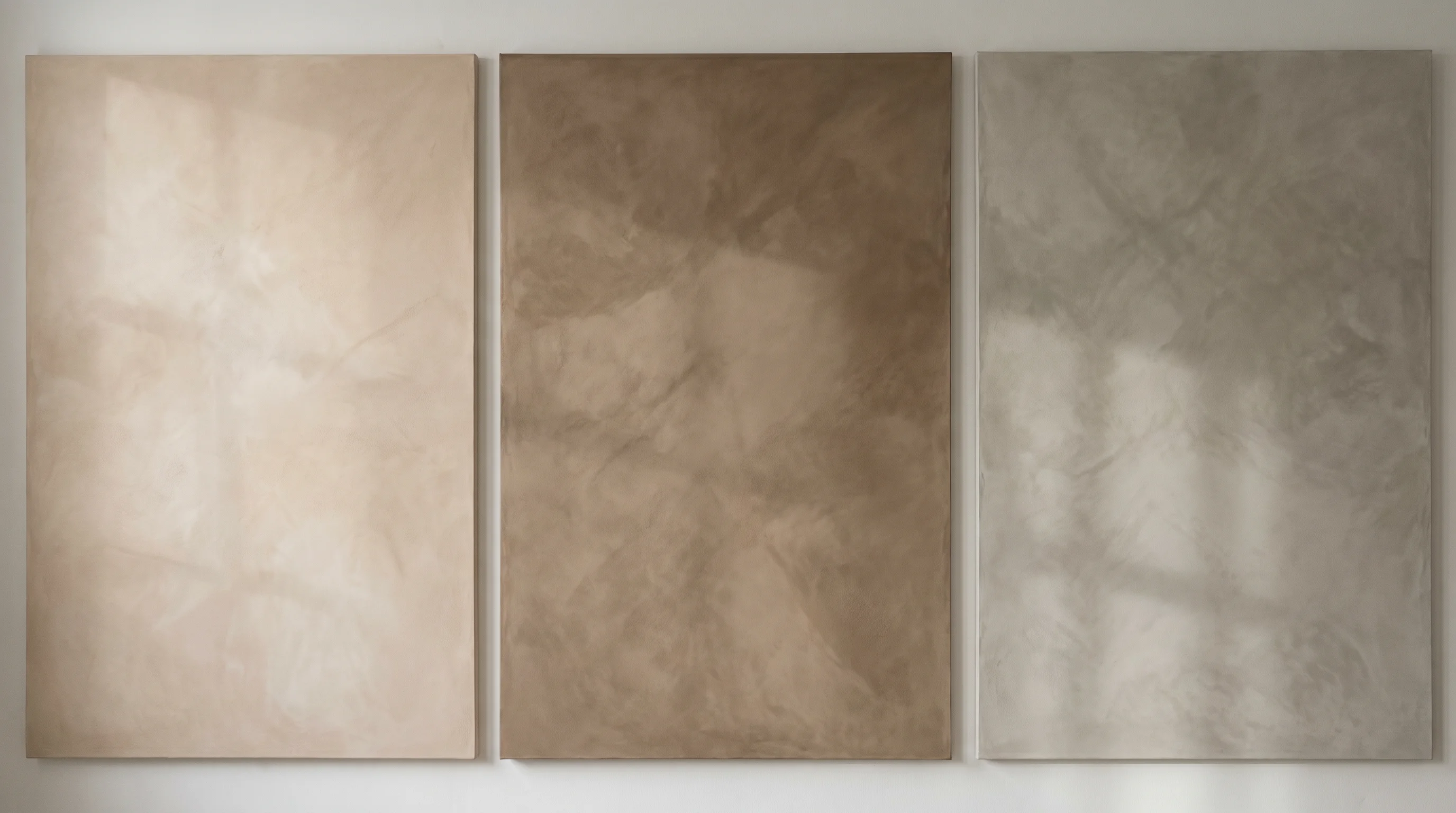
The beauty of limewash is its tonal range. The three that dominate right now:
- Beige limewash: the most popular — soft, warm, and neutral, it brightens a room while keeping that earthy texture. The safest entry point.
- Brown limewash: deeper and cozier, leaning into the chocolate-and-clay trend. Dramatic on a feature wall, enveloping in a whole room.
- Greige limewash: the cooler, more contemporary option — a grey-beige that pairs with modern furniture without going cold.
The takeaway: beige for bright and easy, brown for cozy drama, greige for a modern edge. For the broader warm palette, see our chocolate brown and cream ideas.
Preview Wabi-Sabi Texture in Your Space
Upload a photo of your space to test Wabi-Sabi Texture instantly with AI — 100% free.
Supports JPG, PNG, WebP up to 10MB
3. DIY limewash basics, step by step
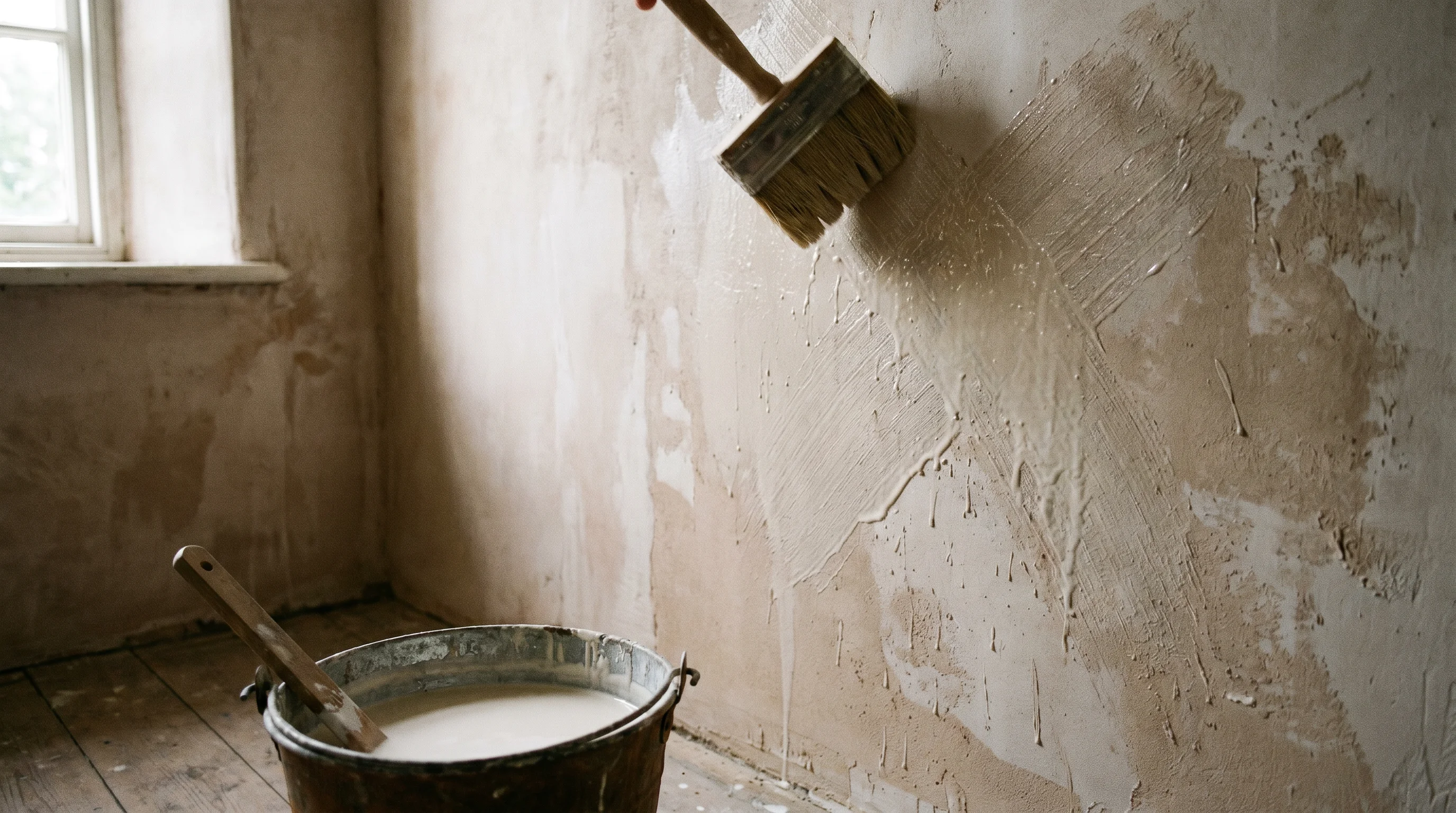
Limewash is genuinely DIY-friendly, but it behaves differently from regular paint. The basic process:
- Prep the surface. Clean and repair the wall. Limewash needs a porous surface to bond to, so if your walls are drywall or already painted, apply a breathable mineral limewash primer first.
- Dampen the wall. Lightly mist with water so the limewash absorbs evenly.
- Mix and keep mixing. It should be a thin, milky consistency; the sediment settles fast, so stir as you go.
- Apply thin coats in a crisscross motion. Use a large brush (not a roller, which flattens the texture) and work in loose, sweeping X-strokes. Don't aim for perfect coverage — unevenness is the look.
- Let each coat dry, then build up. Allow roughly 12–24 hours between coats; two to three coats give the best depth. It looks patchy at first and lightens as it cures over several days.
The takeaway: embrace the imperfection and don't rush the curing — the texture develops as the lime dries. For other tactile wall treatments, see our textured walls guide.
4. The best rooms for limewash
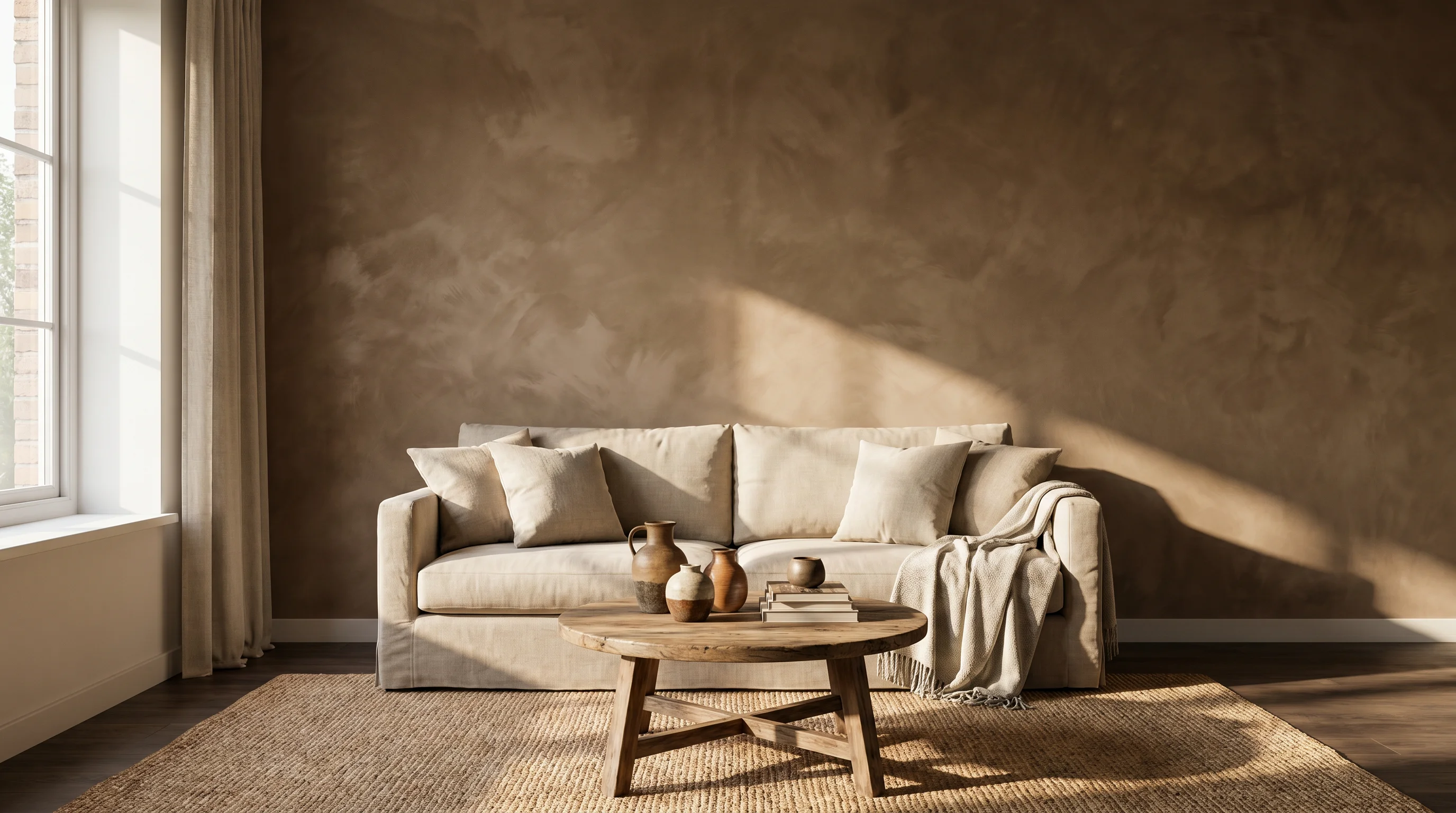
Limewash shines where its soft, light-absorbing matte finish can be appreciated:
- Bedrooms: the calm, enveloping texture makes for a restful, cocooning space — a beige or brown limewash behind the bed is a standout.
- Living rooms: a feature wall or full-room limewash adds depth behind a sofa or fireplace.
- Entryways and hallways: instant old-world character in a transitional space — see our small hallway ideas for more ways to elevate a narrow entry.
Because traditional limewash isn't easily washable, it's less suited to high-splash zones like behind a stove or a kids' bathroom sink. The takeaway: put limewash where people relax and look, not where walls get scrubbed.
5. Pairing furniture with limewash walls
Limewash's organic texture wants natural, tactile company. It pairs beautifully with:
- Warm woods — oak, walnut, and cane echo its earthiness.
- Natural textiles — linen, boucle, jute, and wool.
- Handmade ceramics and matte metals — aged brass, blackened steel, terracotta.
Keep upholstery and textiles in the same warm, muted family (cream, oatmeal, olive, rust) so the wall reads as a soft backdrop rather than competing. The takeaway: match the wall's natural, imperfect character with equally organic materials and the whole room feels intentional.
6. Cost and durability
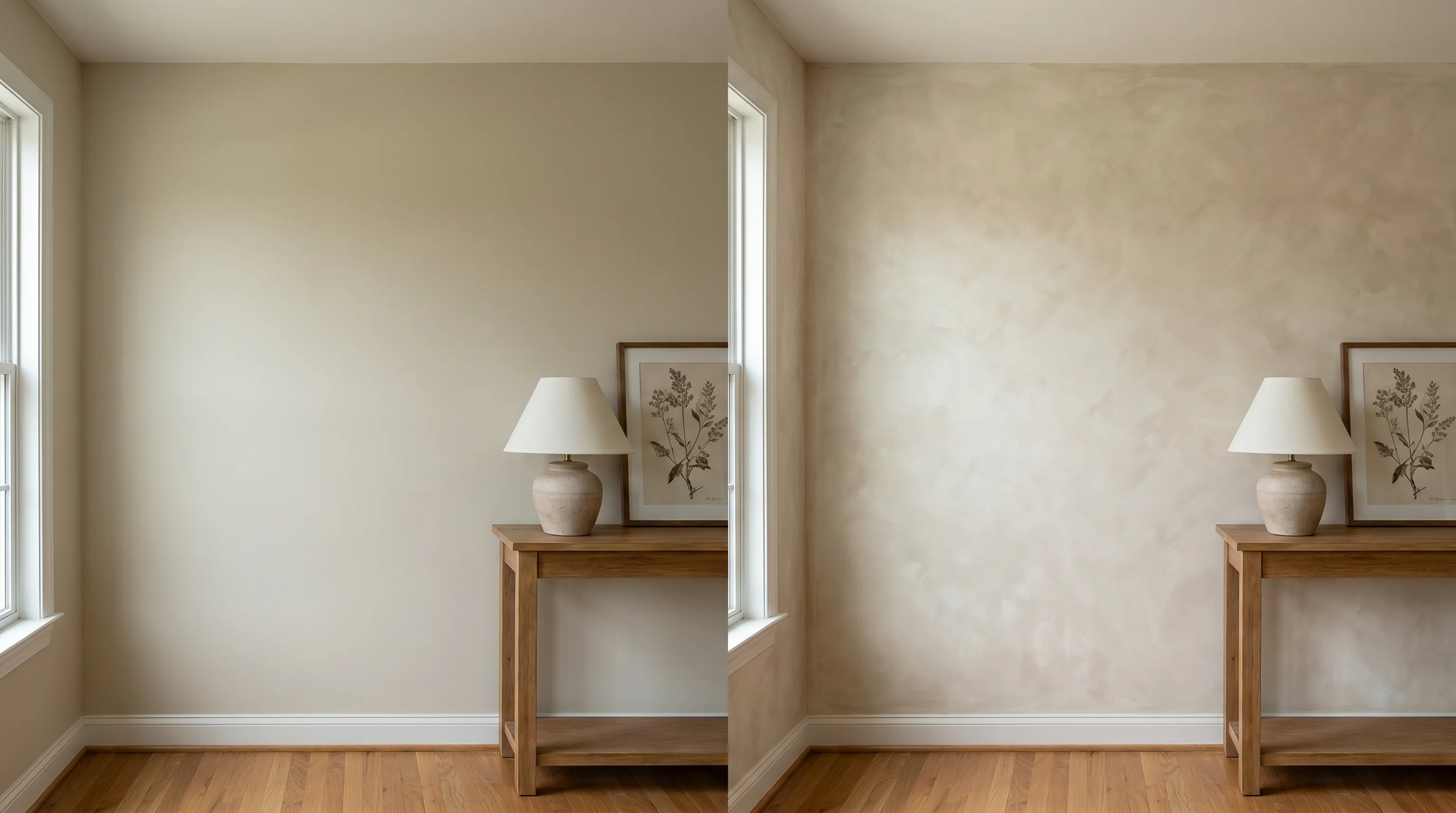
The practical reality:
- Cost: limewash is often cheaper than specialist decorative finishes, though factoring in a mineral primer for drywall adds to the total. The materials are inexpensive; the time and technique are the real investment.
- Durability: it bonds permanently to porous surfaces and ages gracefully, but it's matte-only, not easily washable, and less durable than lime plaster. In high-traffic or damp areas you can apply a mineral-friendly sealer, though that alters the authentic breathable finish.
The takeaway: limewash is a high-character, relatively low-cost transformation — just go in expecting a hand-finished surface that patinas, not a wipe-clean acrylic.
How to try limewash in your own room
Limewash looks completely different depending on the tone, the light, and the room — which makes it hard to commit from a sample pot. Photograph your wall and redesign it with EasyRoomAI: test beige vs brown vs greige limewash, see it as a feature wall or a full room, and judge it in your own light before you buy a single tub.
- Try a free room redesign — anonymous previews are free, no signup needed.
- For more color direction, see our 2026 interior color trends guide and venetian plaster walls for another hand-finished texture.
Frequently asked questions
What is limewash paint? Limewash is a traditional mineral paint made from crushed limestone that's been fired and slaked with water. Unlike acrylic paint, it soaks into porous surfaces instead of forming a film, drying to a soft, chalky, fully matte finish with natural cloudy variation. It's breathable, low-VOC, and develops a patina as it ages.
Can you limewash over painted walls or drywall? Yes, but you must prime first. Limewash needs a porous surface to bond to, so previously painted walls and drywall require a breathable mineral limewash primer before application. Without it, the finish can look uneven or fail to adhere properly.
How many coats of limewash do you need? Most interior applications need two to three thin coats, with about 12–24 hours of drying between each. Apply with a large brush in crisscross strokes — not a roller — and expect it to look patchy at first. The color lightens and the texture develops as it cures over several days.
Is limewash durable and washable? Limewash bonds permanently and ages well, but it's matte-only and not easily washable, and it's less durable than lime plaster. It's best in low-splash areas like bedrooms, living rooms, and hallways. For damp or high-traffic spots, a mineral-friendly sealer adds protection but reduces breathability.
What colors does limewash come in? Limewash takes natural pigments, so the warm, earthy end of the spectrum is most popular — beige, brown, greige, taupe, and soft whites lead in 2026. Deeper browns and clays create cozy, enveloping rooms, while beige and greige keep things bright and modern.
Limewash is the rare upgrade that adds genuine, hand-finished character for relatively little money. Pick your tone, prime properly, build thin crisscross coats, and pair it with natural materials — then preview it in your own light before you commit to the look.
Ready to Transform Your Space?
Try AI room redesign for free - no credit card required.
Start Designing FreeRelated reading
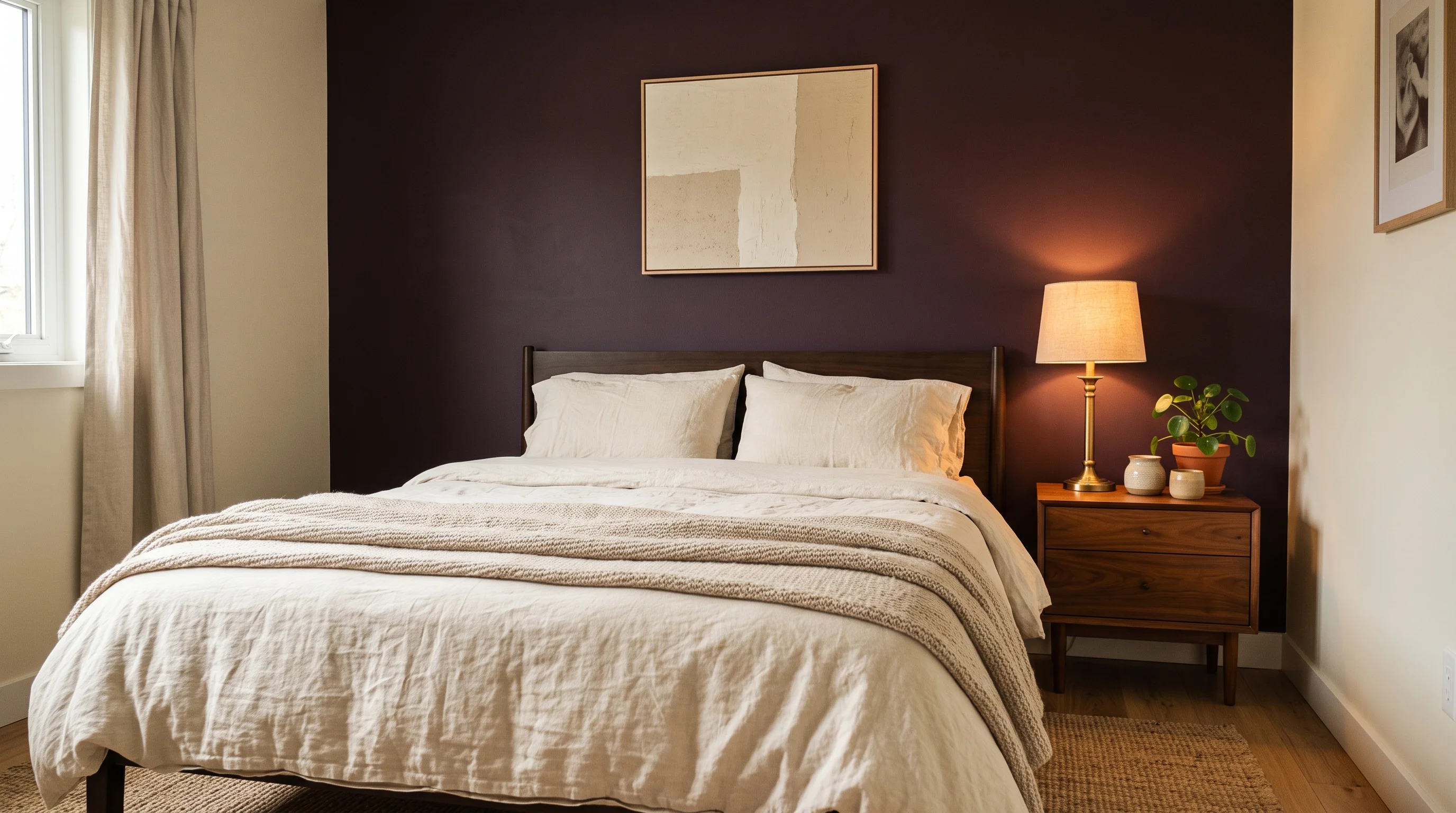
Plum Bedroom Ideas: 12 Ways to Use 2026's Most Cocooning Color
Pinterest reports Plum Noir searches up 220% with saves up 335%. Deep plum is 2026's answer to the all-white bedroom — cocooning, sophisticated, and surprisingly easy to live with. Here are 12 ways to use it.
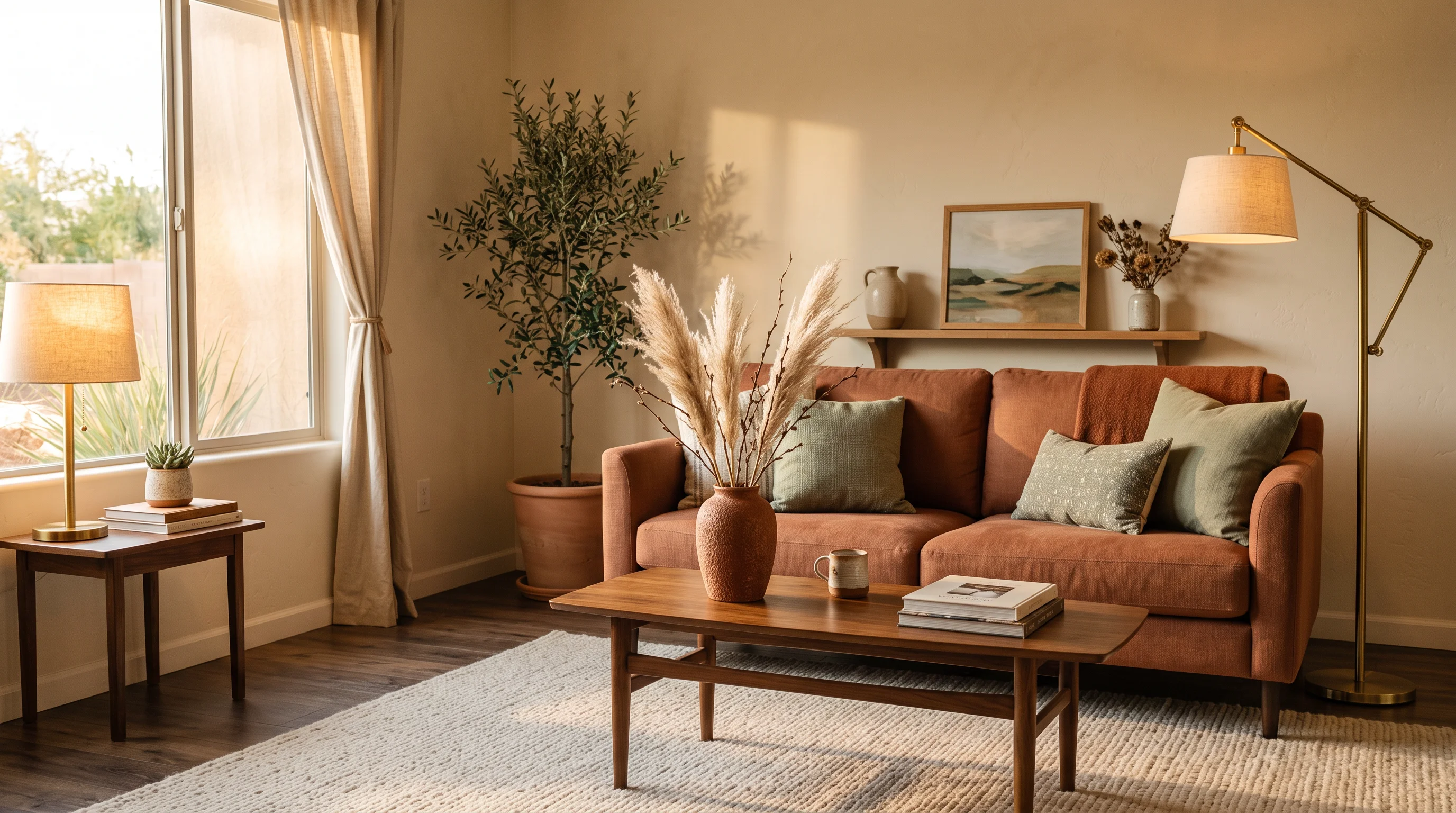
Earth Tone Living Room Ideas: 15 Warm Palettes Designers Are Using in 2026
Searches for earthy living rooms jumped 220% since 2023. Terracotta, sage, rust, and warm neutrals are replacing cool grays everywhere. Here are 15 earth-tone palettes that actually work — with styling rules to keep them warm without heavy.
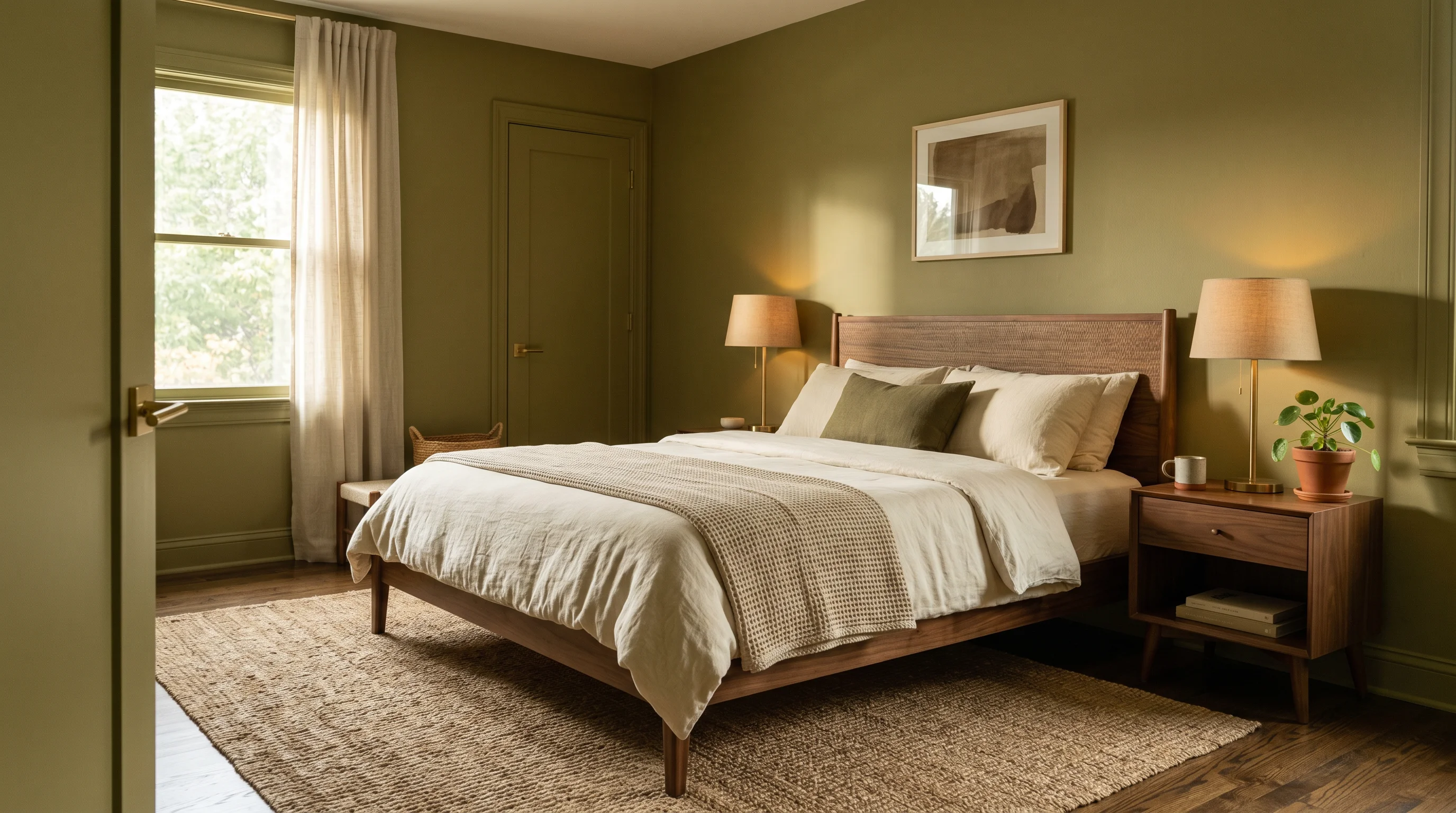
20 Olive Green Bedroom Ideas — The Earthy Neutral That Replaced Gray (2026)
Olive green is the bedroom color of 2026 — earthy, sophisticated, and calm without being cold. Here are 20 olive green bedroom ideas: color-drenched walls, accent strategies, paint pairings, textures, and lighting that make this moody green feel warm.