20 Rust Living Room Ideas — 2026's Warmest Color Trend, Styled Right
Rust is the fastest-growing color in home design — Houzz searches jumped 178% this year. Here are 20 rust living room ideas for 2026: sofa, accent wall, and rug ideas, plus the cream-charcoal-sage-navy pairings that keep rust warm without going overwhelming.
 Easy Room AI Team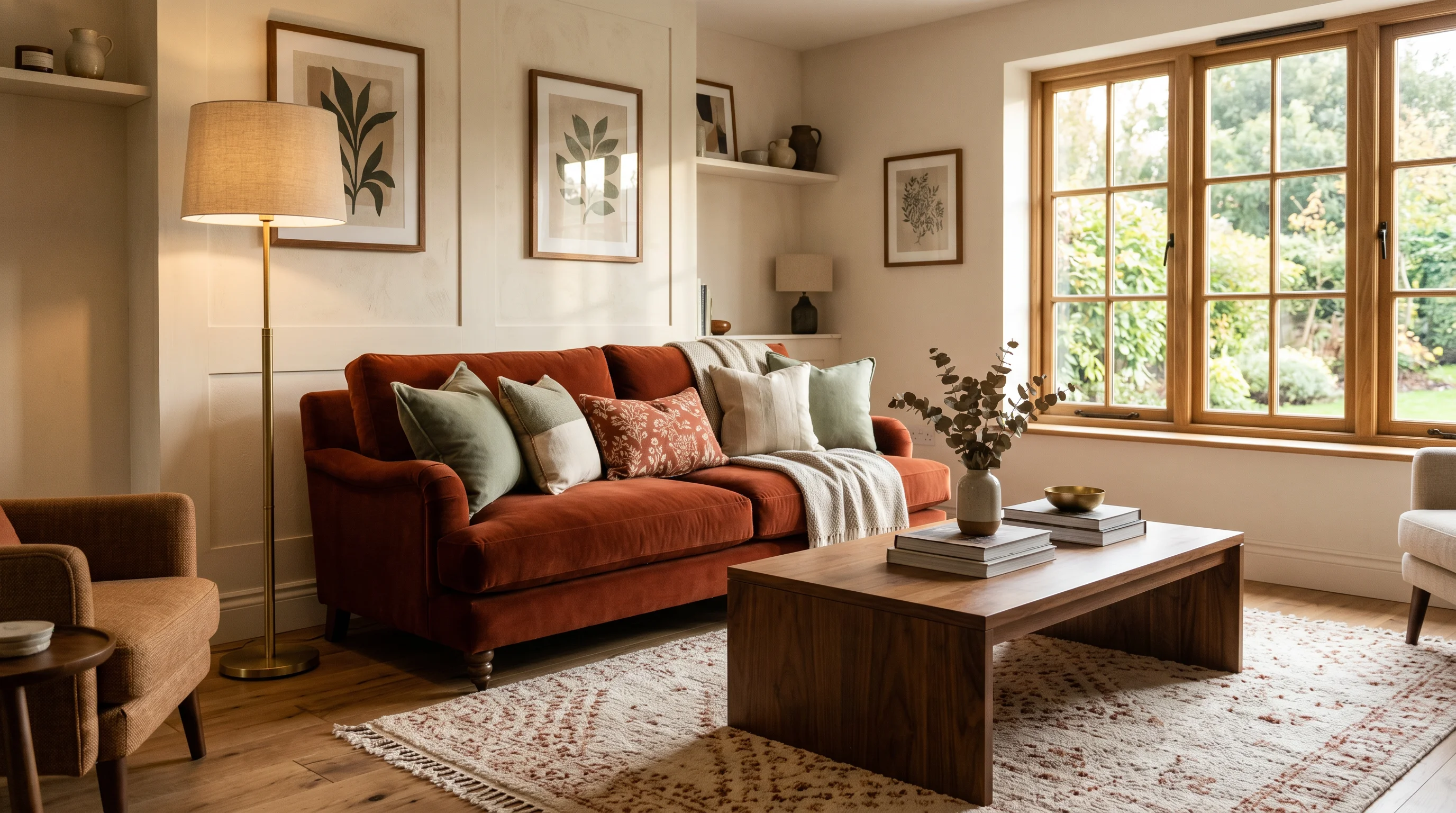
Gray is gone. Beige was the bridge. Now the color with the strongest momentum in home design is rust — a deep, iron-warm reddish-brown that sits between terracotta and burgundy and makes a living room feel grounded, cocooning, and anything but boring. In the 2026 U.S. Houzz Emerging Summer Trends Report, searches for "rust colors" surged 178% year-over-year — the single fastest-growing color on the platform, ahead of chocolate brown (+153%), mushroom (+69%), and sage (+55%).
Rust works because it delivers the warmth people want after a decade of cool neutrals, without the brightness of orange or the darkness of burgundy. Bobby Berk, in his 2026 paint picks, describes the broader shift: "Away from the cool, stark neutrals that dominated the 2010s and toward warmer, earthier, more enveloping tones that prioritize comfort." Rust is that shift in its purest form. This guide shows you 20 ways to use it in a living room — and the pairings that keep it looking expensive.
In this guide you will learn:
- How rust differs from terracotta (and why it matters)
- 20 ways to bring rust into a living room — sofa, walls, rug, accents
- The color pairings that make rust look high-end
- How to use rust in a small living room without it closing in
- How to preview rust in your own room before you commit
Rust vs terracotta: know which warm you want
Both are earthy, both are warm, but they read differently on a wall and in a room:
- Terracotta is a warm, clay orange — sunnier, lighter, and Mediterranean. It leans toward the orange family.
- Rust is a deep, iron reddish-brown — moodier, grounding, and closer to brown than orange. It leans toward the red-brown family.
The practical difference: rust grounds a room where terracotta brightens one. Rust pairs more naturally with dark wood, navy, and charcoal; terracotta pairs with cream, olive, and rattan. Choose terracotta if you want sunlight and Mediterranean air; choose rust if you want warmth and depth.
Sofa and large upholstery
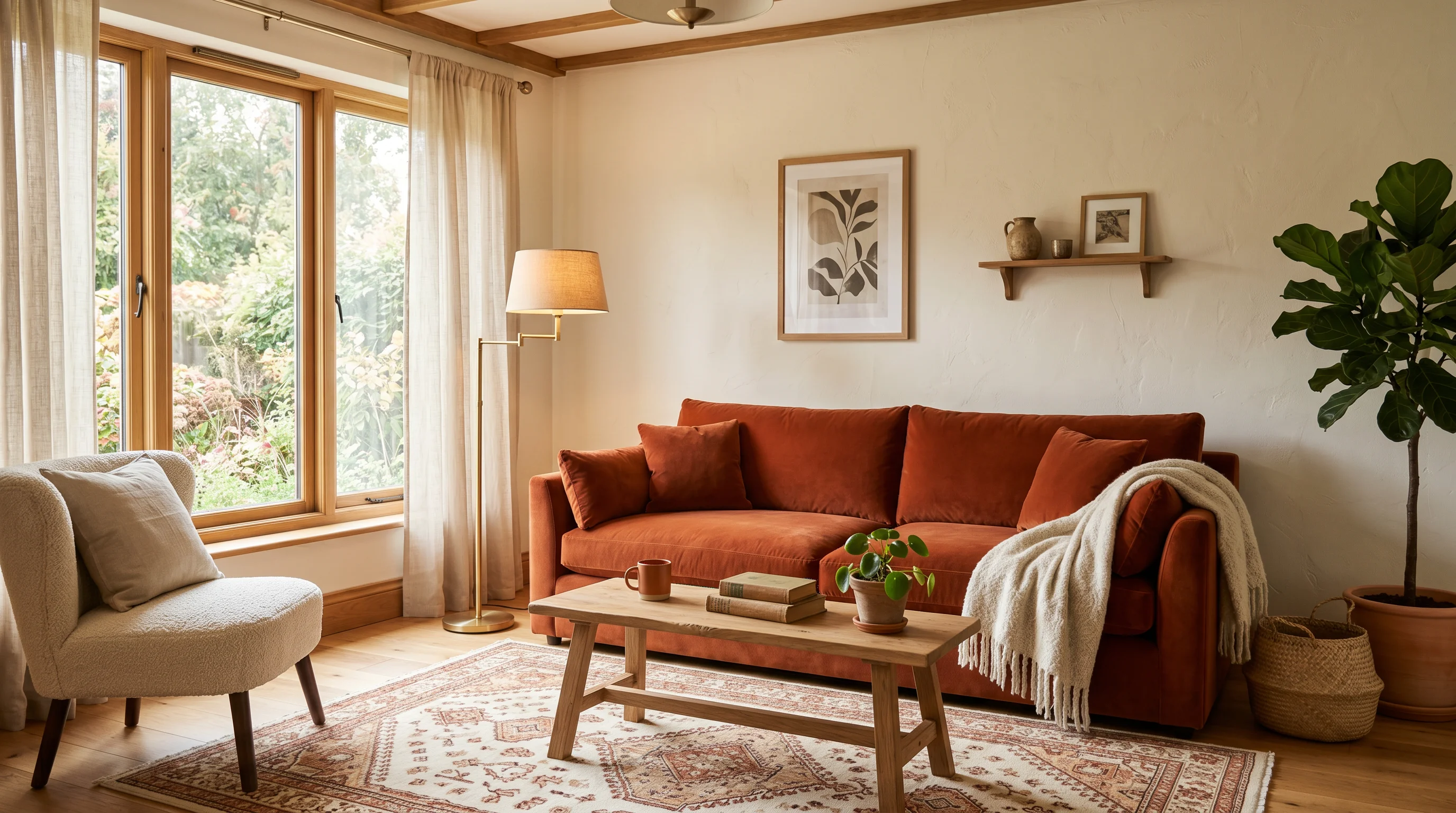
1. A rust velvet sofa as the room's anchor. Velvet in rust is the most photographed living room move of 2026 — it catches light, hides wear, and makes the color feel rich without being flat. Pair it with cream walls and warm wood for an immediately expensive-looking room.
2. A rust linen sofa for a softer, casual look. If velvet feels too formal, rust in washed linen reads relaxed, inviting, and California-warm. Linen shows texture rather than sheen, and it layers beautifully with cream throws and natural wood.
3. A rust accent chair beside a neutral sofa. Not ready to commit the whole seating area? A single rust armchair or reading chair beside a cream or gray sofa drops the color in without dominating the room. It's the lowest-risk way to test whether rust works in your light.
Redesign Your Living Room with AI
Upload a photo of your space to test 16 curated design styles instantly with AI — 100% free.
Supports JPG, PNG, WebP up to 10MB
Walls and paint
4. A rust accent wall behind the sofa. One wall painted or color-drenched in rust creates a moody backdrop that frames the seating area and adds instant depth. Keep the remaining walls cream or warm white so the accent breathes.
5. Full-room rust drench for maximum warmth. In a room with strong daylight, painting all four walls and the ceiling in a single rust creates the enveloping, cocooning feel that defines the 2026 warm-home trend. Balance it with cream upholstery and warm wood so the room doesn't close in.
6. Rust as a fireplace surround or built-in color. Paint the fireplace wall, the built-in bookshelves, or a recessed niche in rust and leave the rest neutral. Rust on architecture reads permanent and collected — like the room was always meant to be this warm.
Color pairings
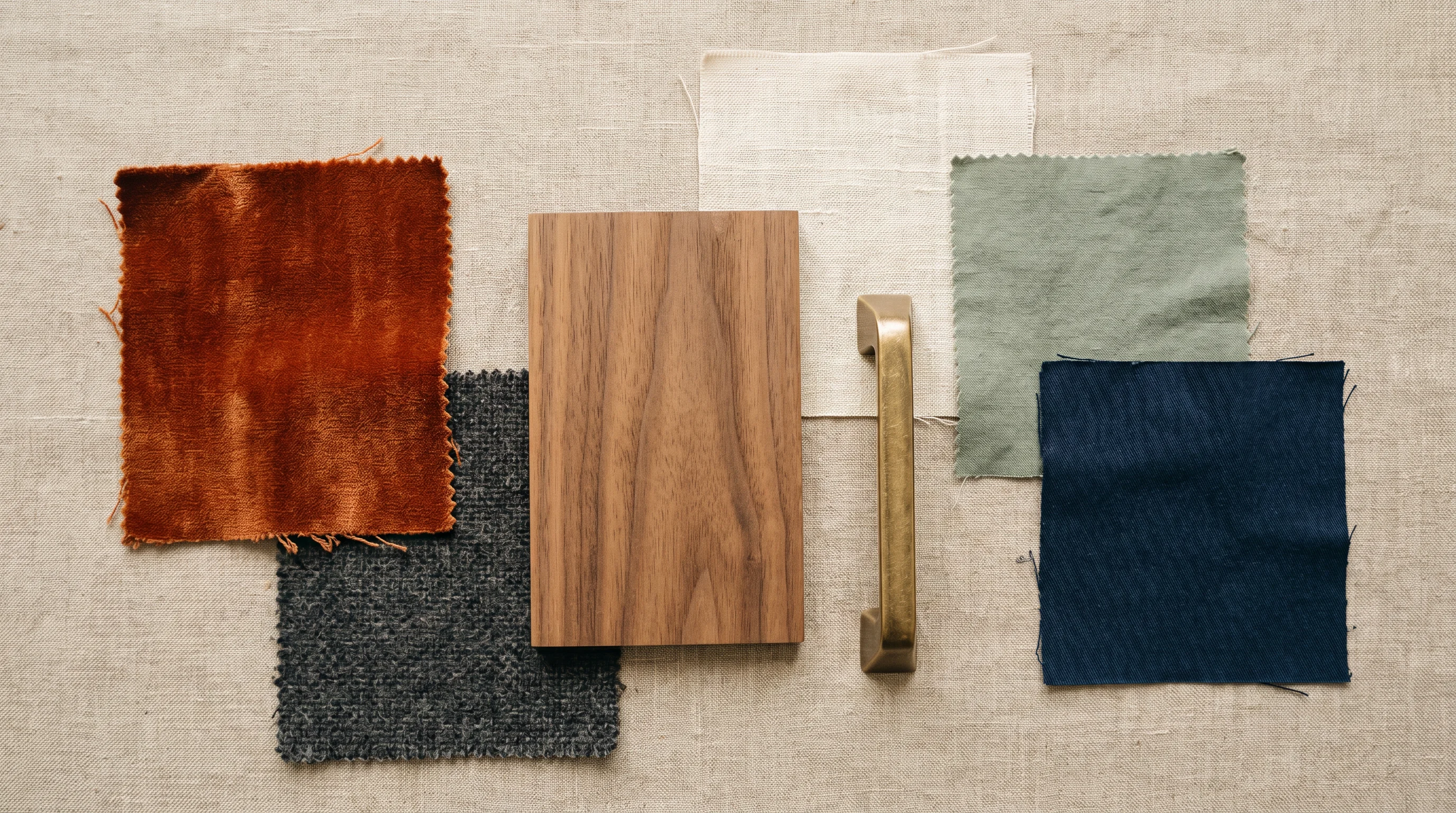
7. Rust + cream — the essential partner. Cream walls, a cream rug, and cream cushions lift rust and keep the room bright. Use the 60-30-10 rule: 60% cream as backdrop, 30% rust as the anchor, 10% brass or warm wood as accent.
8. Rust + charcoal — moody and modern. Charcoal in a rug, in throw cushions, or on a single wall brings depth and contrast. Together they read sophisticated and masculine without going cold — the charcoal living room approach applied to warm earth tones.
9. Rust + sage green — the organic balance. Sage cools the warmth just enough to keep rust from feeling one-note. A sage cushion, a potted plant, or a sage-green lamp shade beside a rust sofa is one of the most natural-looking pairings in the palette.
10. Rust + navy — confident and classic. Navy provides cool contrast that makes rust appear even warmer. Use navy in a rug, an armchair, or artwork. This is the bolder version of the pairing, best in rooms that can handle two strong colors — see how we use a similar strategy in navy blue bedrooms.
11. Rust + teal — bold and eclectic. Teal is the complementary-color partner — the cool blue-green that makes rust pop. This pairing reads mid-century modern and adventurous; use it sparingly (a teal cushion or vase against a rust sofa) unless you want a maximalist room.
Rugs, textiles, and accents
12. A rust-and-cream rug that ties the room together. A patterned or high-pile rug with rust tones grounds the seating zone and brings the color down to floor level, anchoring the whole layout.
13. Rust cushions and throws on a neutral sofa (renter-friendly). The zero-commitment version: scatter rust velvet or linen cushions and a chunky knit throw on your existing cream or gray sofa. Swap them out in an afternoon if you change your mind.
14. Rust curtains for a finished, hotel-like frame. Floor-to-ceiling curtains in a rust linen or cotton soften the room, add vertical height, and frame the windows in warmth. One of the most impactful but overlooked ways to bring a color in.
Textures and materials
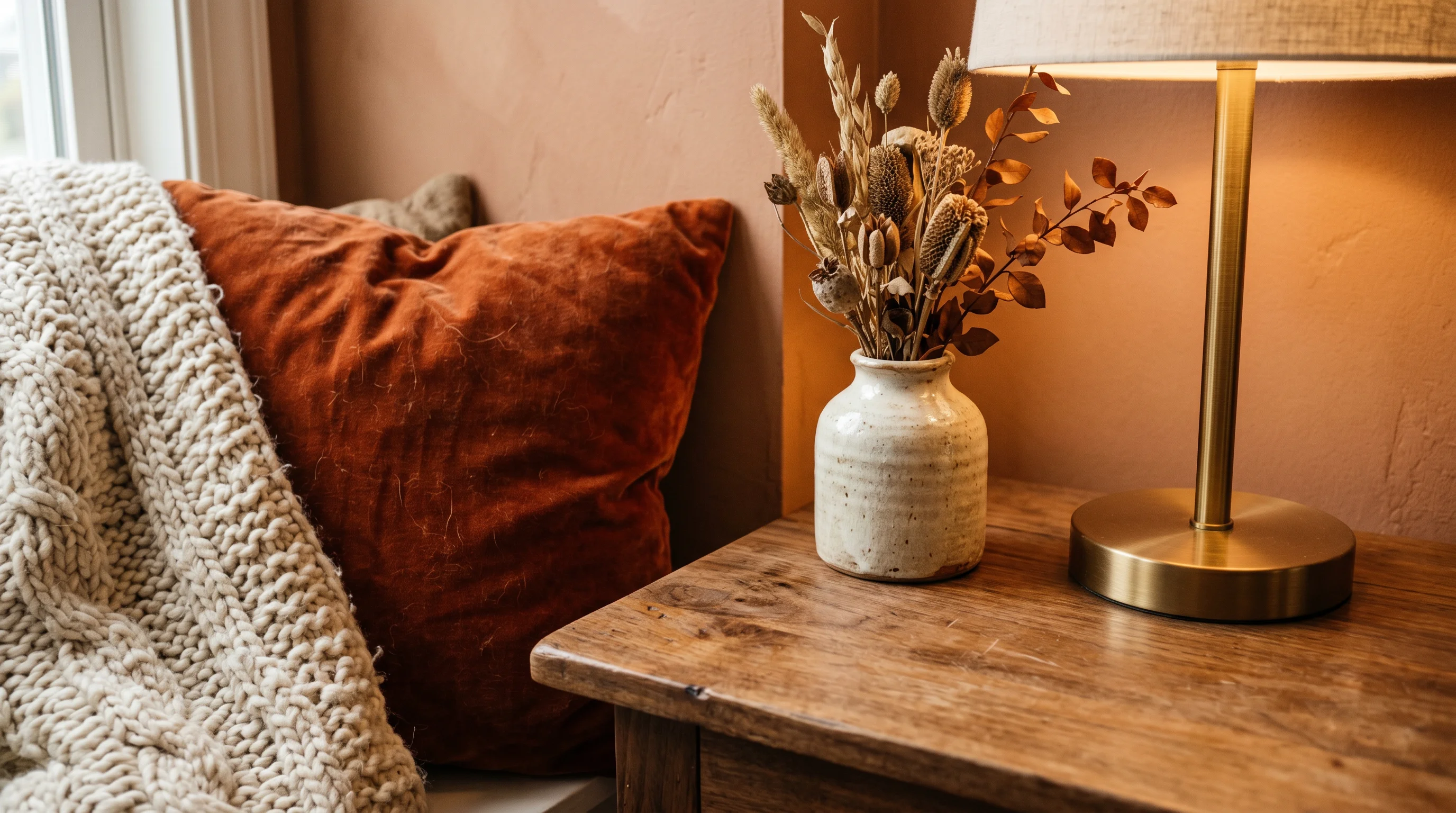
15. Layer at least three textures. With a color this saturated, texture does the work of variety. Velvet for the sofa, linen or wool for cushions and throws, warm wood for the coffee table, and brass or matte black for hardware and lighting. Flat matte rust without texture reads dull; textured rust reads alive.
16. Warm wood (walnut, oak, or teak) as rust's natural companion. Wood grounds rust the same way it grounds every warm earth tone. A walnut coffee table, oak side tables, and a teak tray on the shelf connect the color to something organic and permanent.
17. Brushed brass lighting and hardware. Brass is the metal that belongs with rust — warm against warm, with enough golden contrast to catch light and lift the scheme. A brass floor lamp beside a rust sofa is the 2026 living room vignette.
Small living rooms
18. Rust in accents only, not on the walls. In a small living room, keep the walls light (cream, warm white) and bring rust through a rug, cushions, curtains, and one armchair. The color reads as warmth without shrinking the room.
19. A single rust statement piece in a neutral room. One rust velvet chair or one rust ceramic vase on a shelf — sometimes a small room needs a single warm focal point, not a palette overhaul.
Before and after
20. A neutral box, warmed up. Most living rooms start with beige walls, a gray sofa, and nothing on the walls. Swap the sofa for rust velvet, add cream and sage cushions, a warm wood coffee table, brass lighting, and a cream-and-rust rug — same room, completely different feeling. This is the kind of transformation you can test in seconds with EasyRoomAI before buying a single thing.
Preview rust in your own living room before you commit
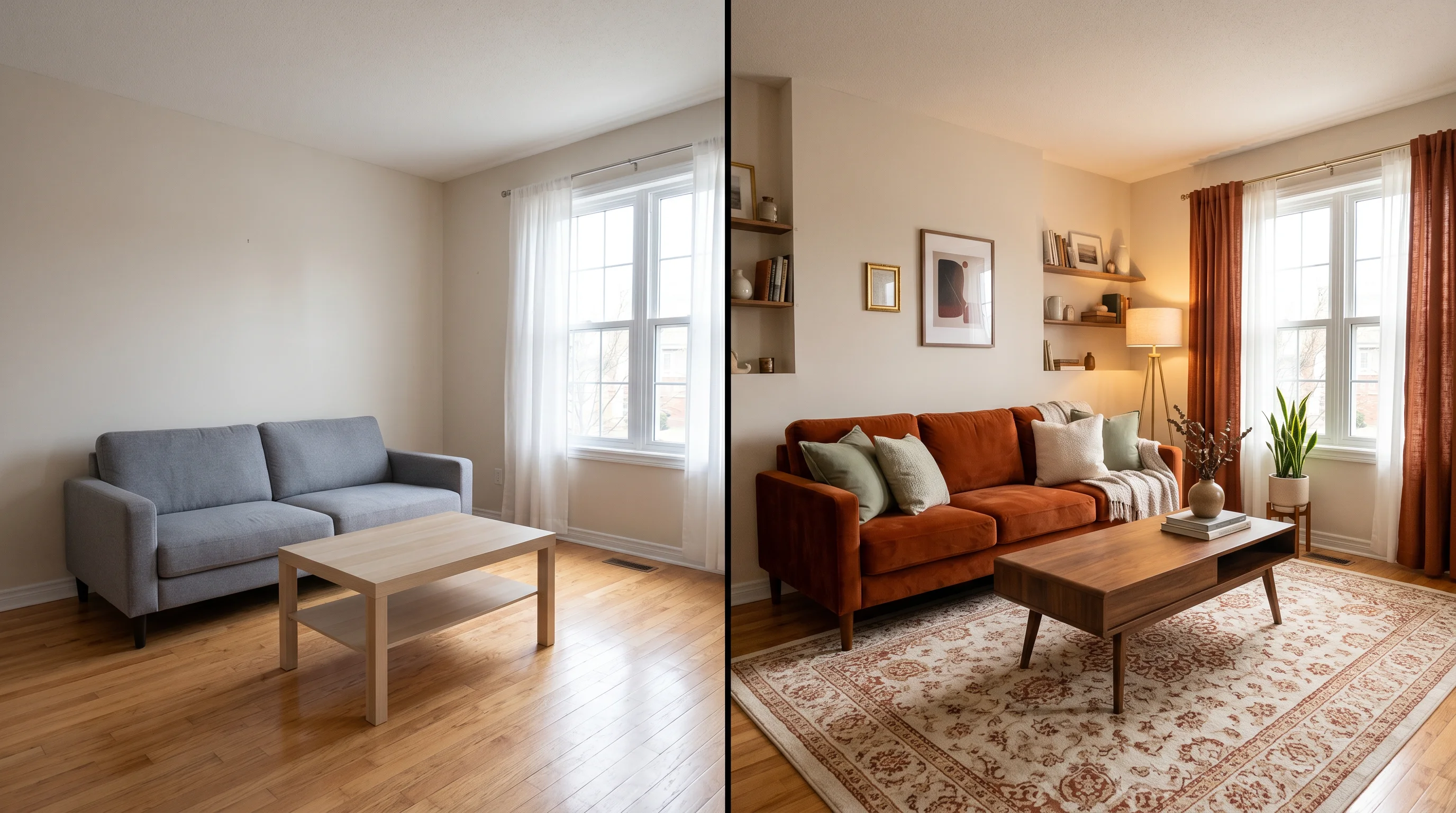
A new sofa and a room repaint are the two most expensive things to get wrong in a living room. Upload a photo of your current room to EasyRoomAI and generate it in rust — sofa, accent wall, or full-drench — to see which version actually suits your space and light before you order anything.
- Try a free living room redesign — anonymous previews are free, no signup needed.
- Want the wider palette? See the terracotta living room ideas, 2026 interior color trends, chocolate brown living room ideas, and browse living room ideas.
Frequently asked questions
Is rust a good color for a living room in 2026? Yes — rust is the single fastest-growing color in home design this year. Houzz searches for "rust colors" rose 178% year-over-year, and designers describe it as the warm, grounded color replacing gray and beige. It is being treated as a long-term neutral, not a passing trend.
What colors go with a rust living room? Cream and warm white are the essential base. Charcoal adds moody depth, sage green provides organic balance, navy brings bold contrast, and teal offers an eclectic pop. Brass and warm wood complete the material palette.
What is the difference between rust and terracotta? Terracotta is a warm clay orange — sunnier, lighter, and Mediterranean. Rust is a deeper, iron reddish-brown — moodier, grounding, and closer to brown. Terracotta brightens a room; rust grounds it. They pair with different materials and moods.
Does rust make a living room look smaller? Not if you balance it. Keep walls light (cream or warm white) and use rust as the anchor in a 60-30-10 ratio. If you do go dark on the walls, bring in cream furniture and layered warm lighting so the room reads intimate, not cramped. In small rooms, accent only (cushions, rug, one chair) brings the warmth without the weight.
How do I add rust without painting or buying furniture? Scatter rust velvet or linen cushions on your existing sofa, add a chunky rust throw, and swap curtains for rust linen panels. A rust ceramic vase, a wool rug with rust tones, and a set of rust candles bring the trend in with zero renovation and full reversibility.
Can I see rust in my own living room before buying? Yes — upload a photo of your living room to EasyRoomAI and generate rust versions (sofa, accent wall, or full room) to compare against your real space, flooring, and lighting before spending anything.
Rust is what happens when the design world finally stops playing it safe. It's warm without being loud, rich without being heavy, and the kind of color that makes everything in the room — the wood, the brass, the cream — look better by association. Start with a sofa or a rug, pair it with cream and brass, and preview it before the first swatch goes up.
Ready to Transform Your Space?
Try AI room redesign for free - no credit card required.
Start Designing FreeRelated reading
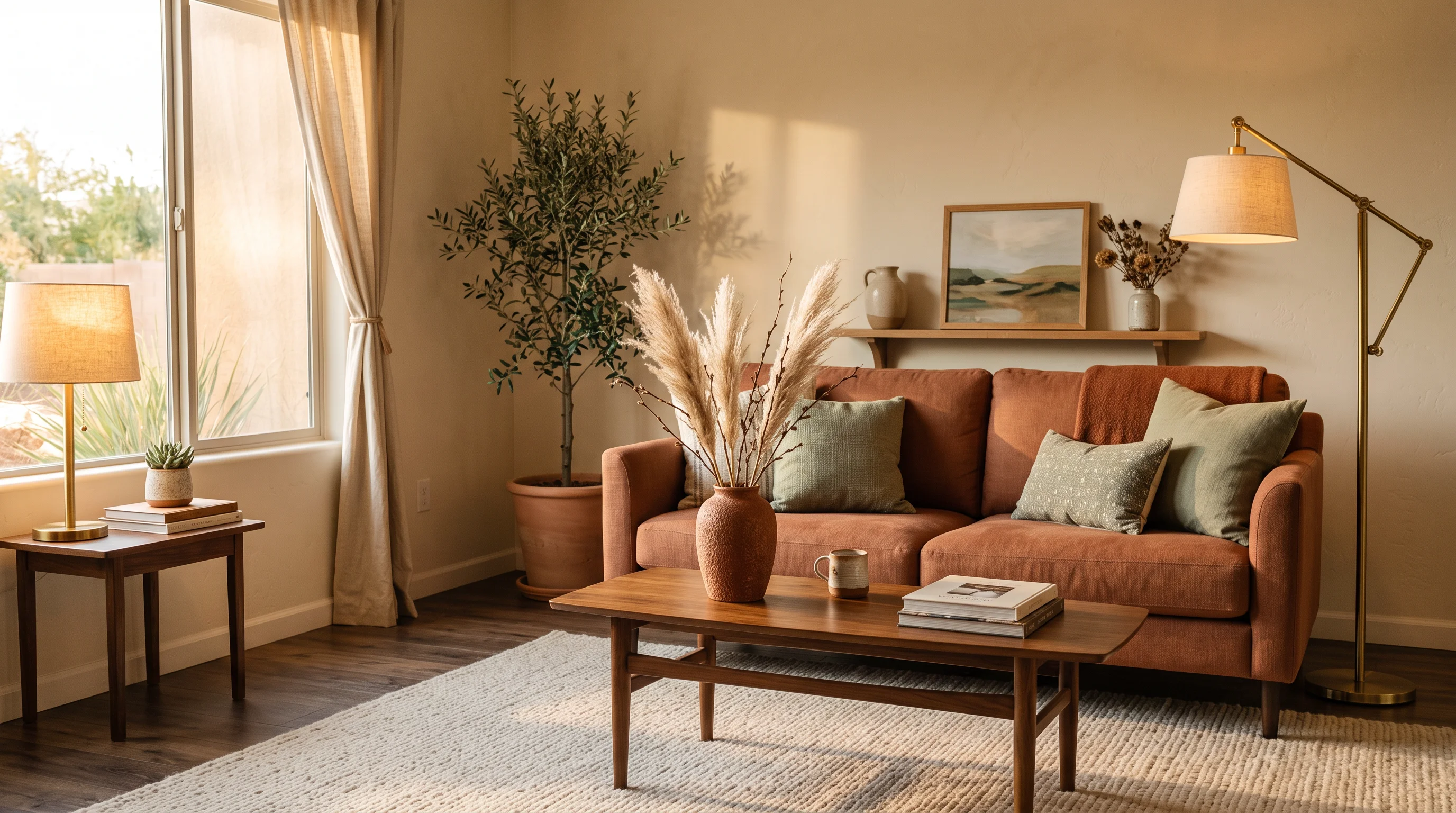
Earth Tone Living Room Ideas: 15 Warm Palettes Designers Are Using in 2026
Searches for earthy living rooms jumped 220% since 2023. Terracotta, sage, rust, and warm neutrals are replacing cool grays everywhere. Here are 15 earth-tone palettes that actually work — with styling rules to keep them warm without heavy.
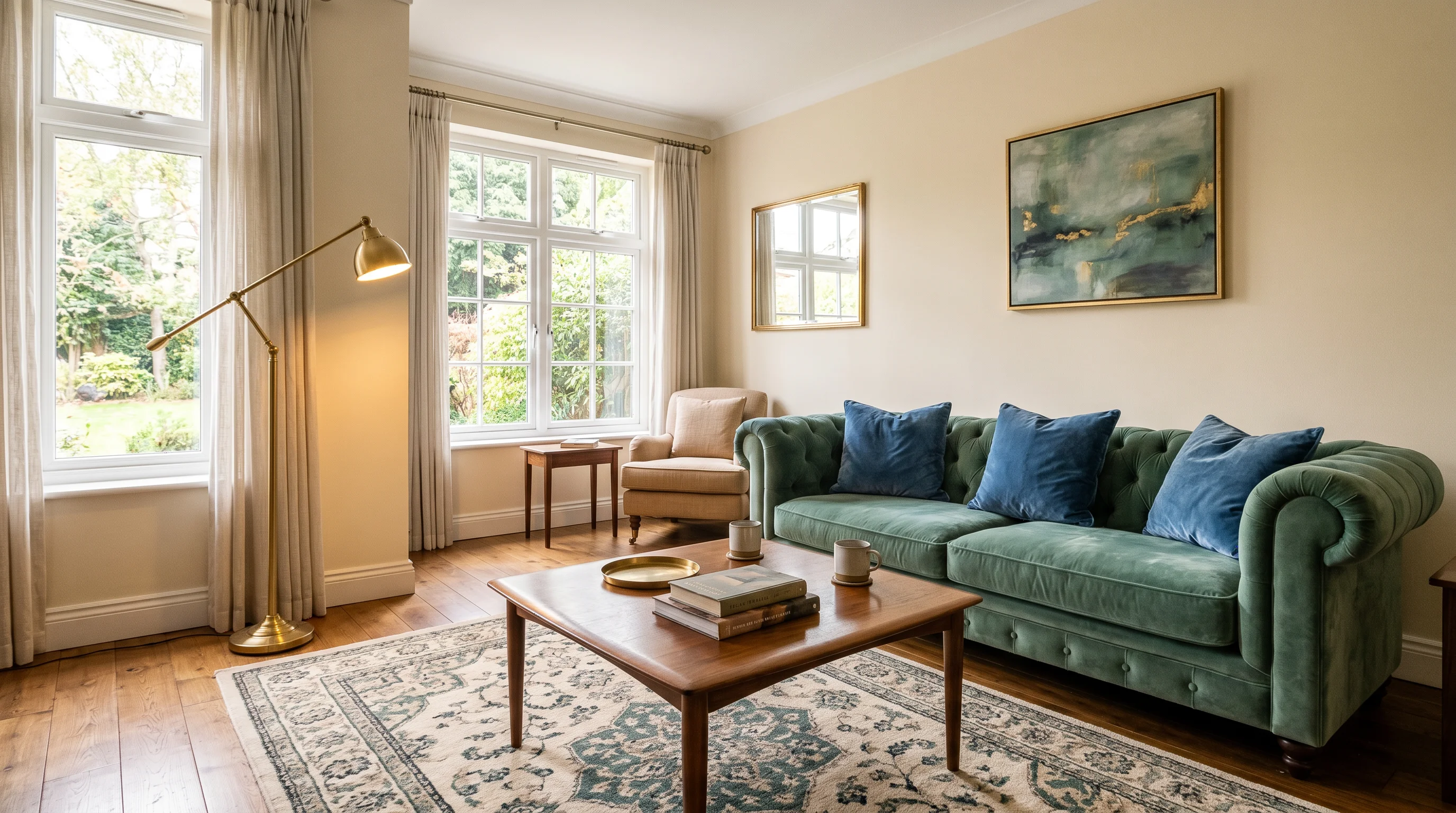
20 Jewel Tone Living Room Ideas — Dusty Emerald, Sapphire, and Ruby Done Right (2026)
Jewel tones are back — but dustier, moodier, and more wearable than the bold versions of a decade ago. Here are 20 jewel tone living room ideas for 2026: emerald sofas, sapphire accent walls, ruby accents, and the warm neutral pairings that keep rich color feeling expensive.
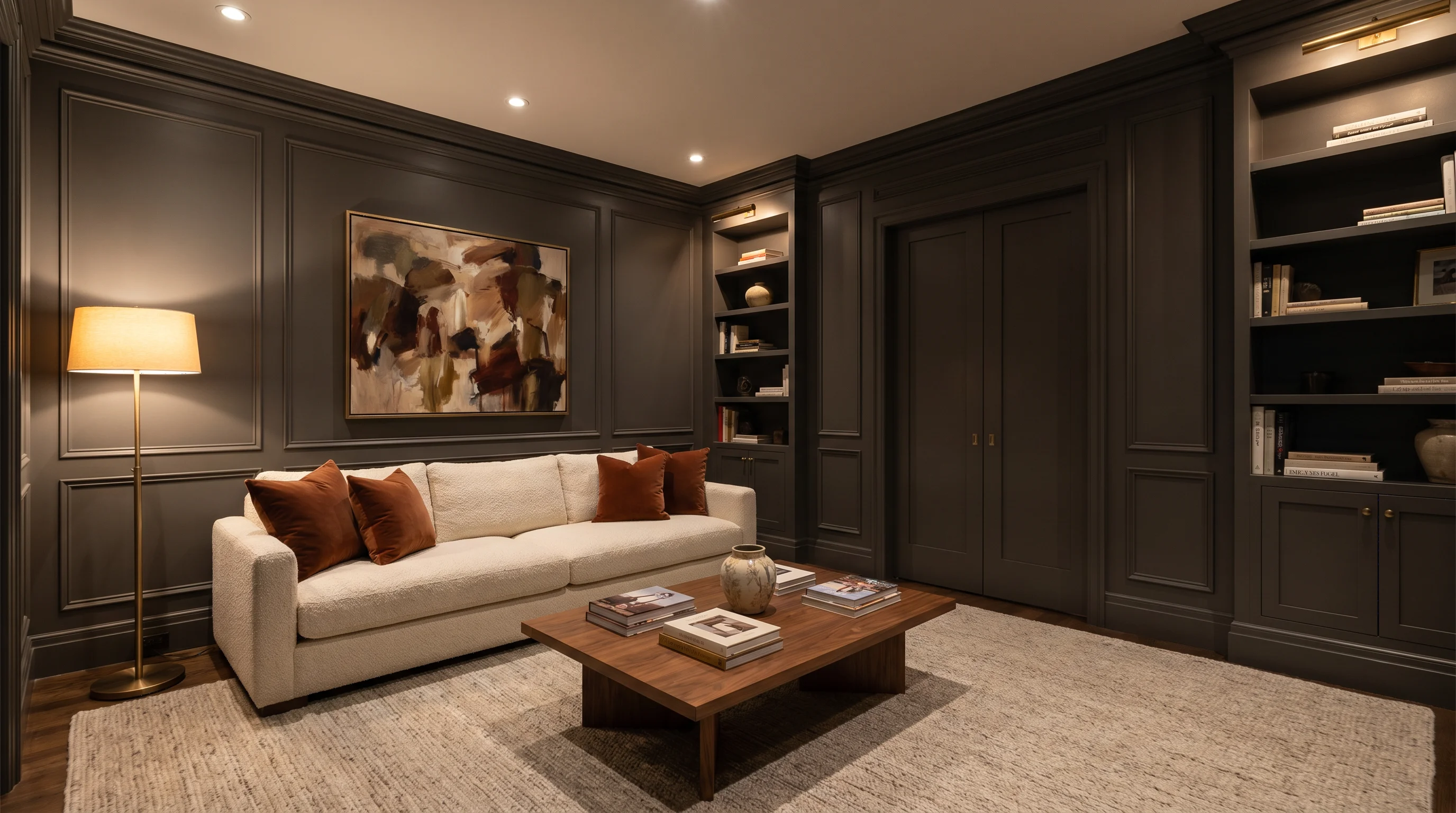
Charcoal Living Room: 23 Warm, Dramatic Ideas for 2026
Charcoal is how a living room goes dramatic without going cold — if you get the undertone, lighting, and pairings right. Here are 23 charcoal living room ideas for 2026: charcoal vs black vs slate, keeping it warm, accent wall vs full drench, the best pairings, small-room strategies, and a before-and-after.