Color Drenching: Why One-Color Rooms Are Taking Over 2026
Color drenching — painting walls, trim, and ceiling in one single hue — is 2026’s defining paint move. What it is, the colors that work, and how to pull it off room by room.
 Easy Room AI Team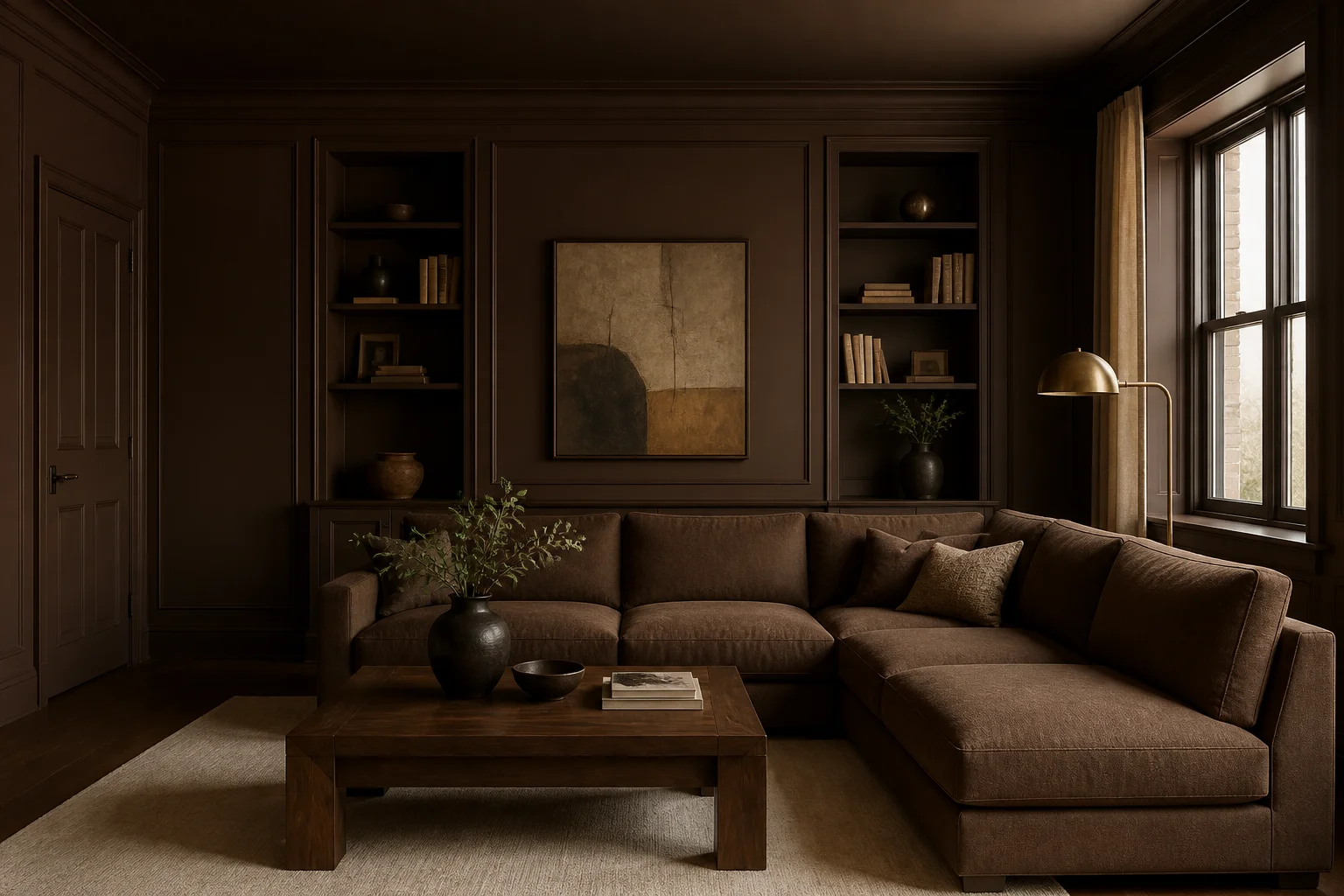
For two decades the paint rulebook said the same thing: white ceiling, white trim, and — if you were feeling brave — one accent wall. In 2026 that rulebook is gone. Color drenching, the technique of painting walls, trim, doors, and ceiling in one single hue, has moved from designer showcases into the mainstream, and the search data backs it up: in Houzz's 2026 summer trends report, searches for "rust colors" jumped 178% and "chocolate brown" climbed 153% — exactly the saturated, earthy hues drenching was built for.
As Farrow & Ball's Patrick O'Donnell told Architectural Digest, drenching "only deserves that trend label to a limited extent — it's actually more of a technique." Which is good news: techniques outlive trends.
In this guide you will learn:
- What color drenching is (and how it differs from an accent wall)
- Why it took over in 2026
- The colors that actually work drenched
- Where to use it, room by room
- How to drench a room in five steps
- The mistakes that ruin the effect
What is color drenching?
Color drenching means coating every painted surface in a room — walls, ceiling, trim, doors, sometimes even radiators and built-ins — in the same color. No white ceiling, no contrasting woodwork, no visual "stopping points."
| Accent wall | Monochromatic scheme | Color drenching | |
|---|---|---|---|
| Walls | One bold, three neutral | Shades of one family | One exact hue, all four |
| Ceiling & trim | White | Lighter tones | Same hue as walls |
| Effect | A framed moment | Layered, soft | Immersive, cocooning |
| Risk level | Low | Low | Medium — but forgiving |
The surprise is that last row. Drenching looks daring but is hard to get wrong: with one color everywhere there are no trim-versus-wall decisions, no cutting-in lines, and no clashing undertones. As one guide puts it, as long as the single color is good, the room will work.
Why drenching took over 2026
Three forces pushed it from niche to default:
- The backlash against white-box minimalism. "We've seen clients starting to crave rooms that feel more cozy and more experiential, and color drenching creates the perfect foundation," designer Ellie Mroz told Martha Stewart. It is the same instinct behind warm minimalism — but turned up.
- It makes rooms feel bigger, not smaller. When walls, trim, and ceiling share one color, the eye moves around the room without interruption. Painting the ceiling "creates the illusion of height," especially in small rooms, per Farrow & Ball's O'Donnell — and it makes awkward details like radiators and bulky built-ins visually disappear.
- The 2026 palette was made for it. This year's warm, earthy color trends — browns, rusts, olives, soft blues — are exactly the hues that feel enveloping rather than loud when drenched.
Preview Modern in Your Space
Upload a photo of your space to test Modern instantly with AI — 100% free.
Supports JPG, PNG, WebP up to 10MB
The 2026 drenching palette
Saturated but soft is the rule. The hues leading the trend:
- Chocolate brown — the year's headline color (searches up 153%). Drenched, it reads like a library: serious, warm, enveloping.
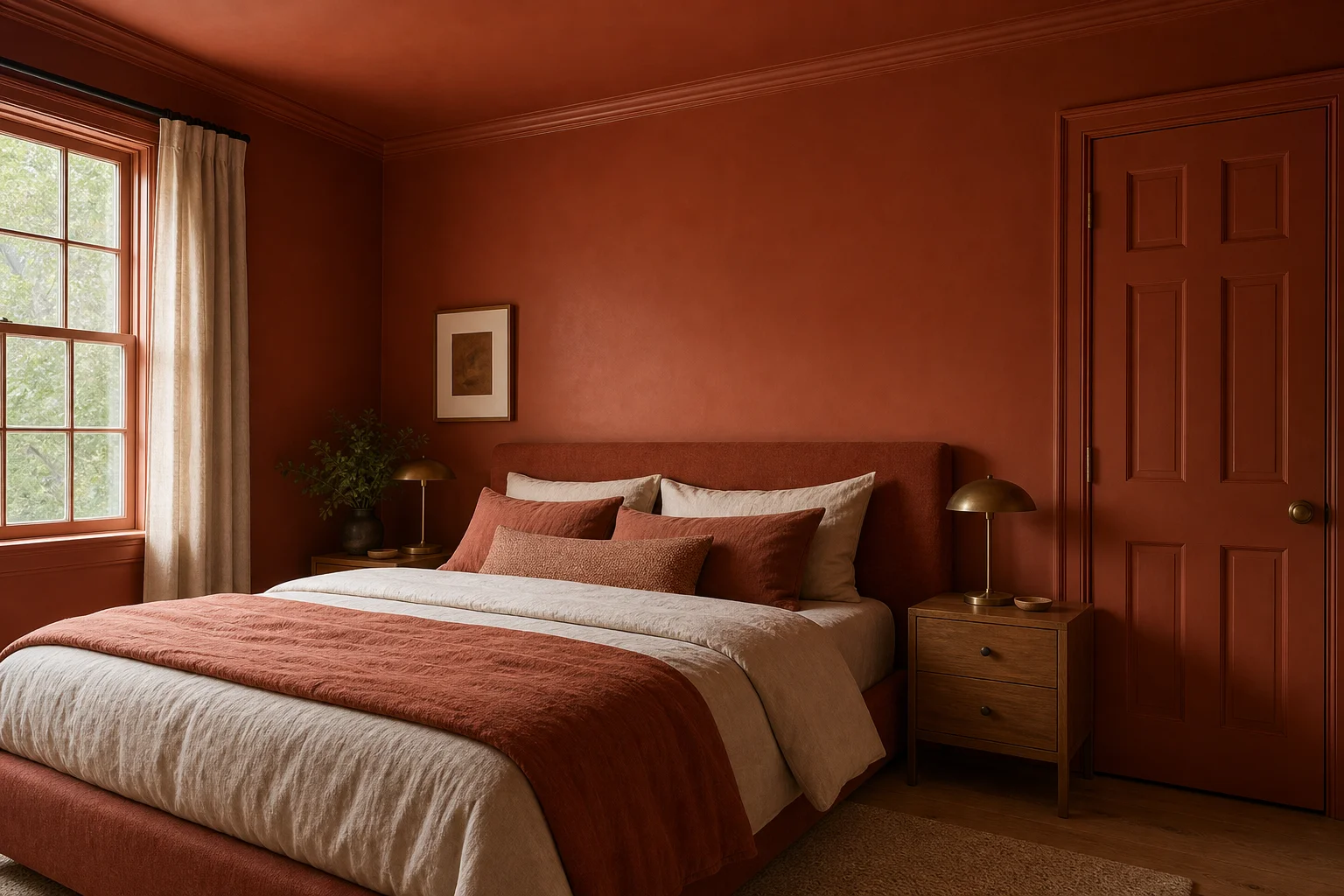
- Rust and terracotta — up 178% on Houzz. Sun-baked and earthy; exceptional in bedrooms and snugs.
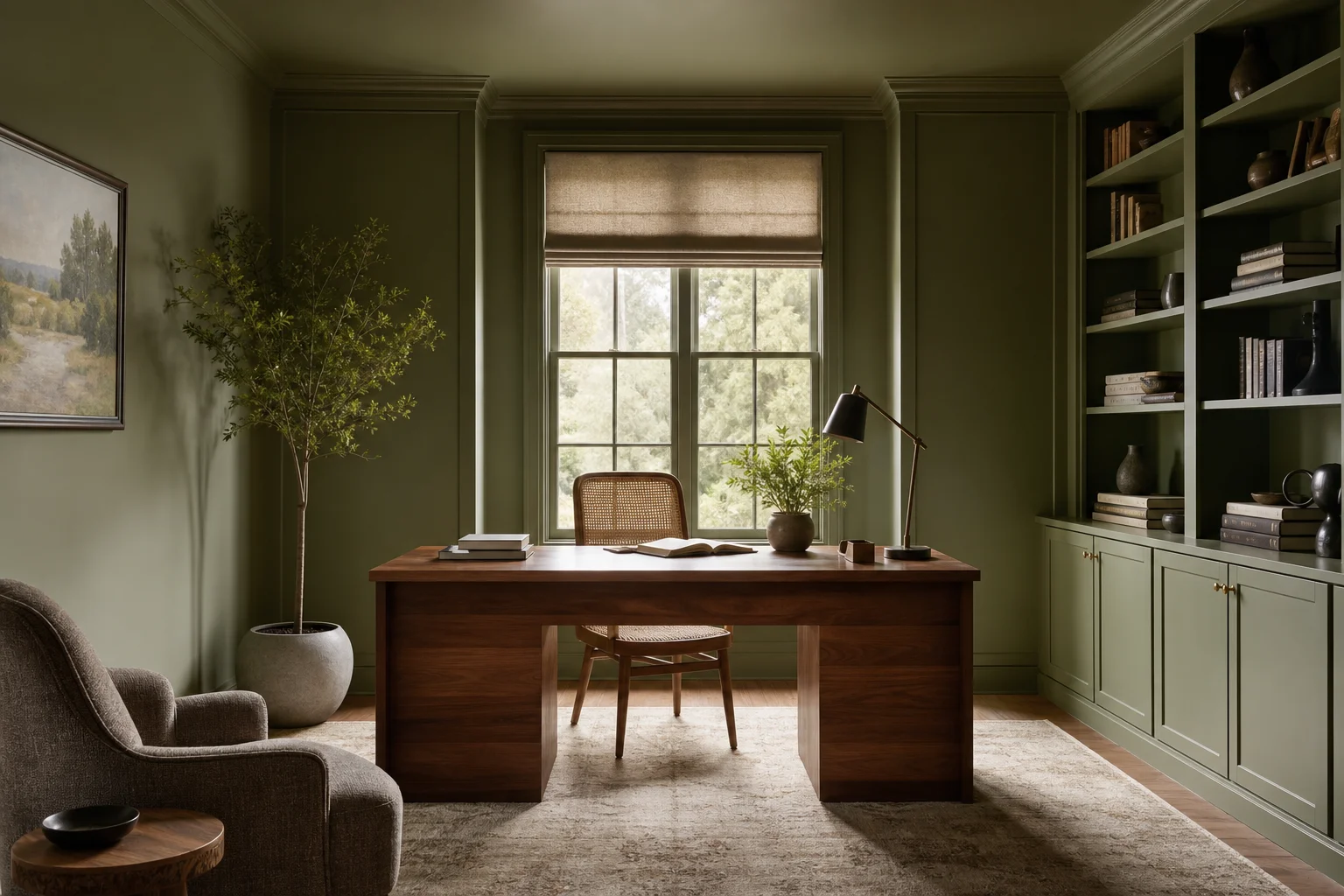
- Olive and sage — nature-rooted greens that behave almost like neutrals; ideal for offices and living rooms.
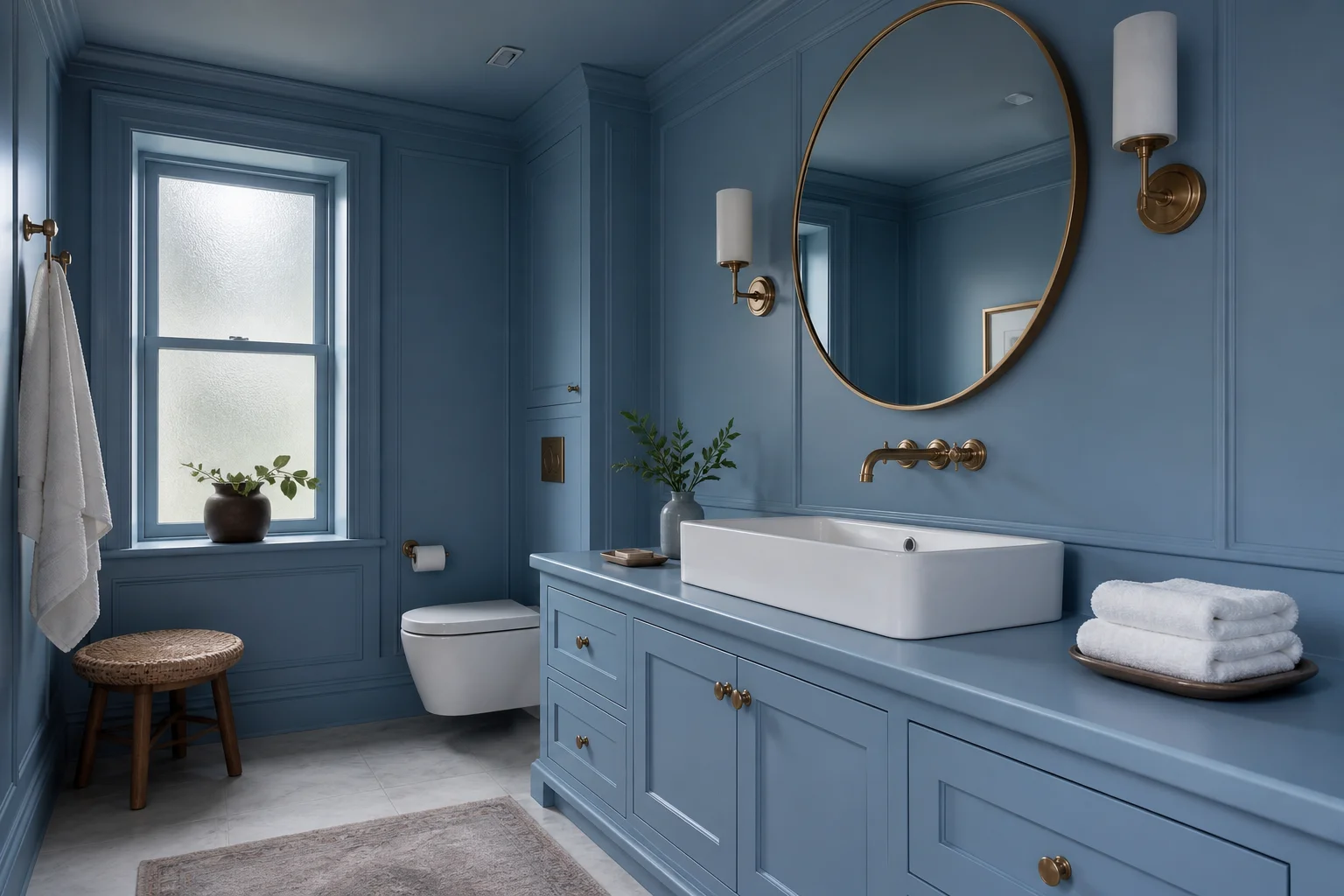
- Dusty blue — the coolest hue that still drenches warmly; a natural for bathrooms and bedrooms.
- Taupe and mushroom — the "starter drench": tonal enough to feel safe, still dramatically calmer than white-trim rooms.
Deep colors amplify the cocoon effect; lighter ones keep it airy. Both work — the consistency is what does the magic.
Where to drench, room by room
- Bedroom — the highest-payoff room. A drenched bedroom in rust or dusty blue feels like a hotel suite designed around sleep.
- Bathroom and powder room — small rooms benefit most, because removing contrast removes the visual clutter that makes them feel cramped. The same trick works in a narrow hallway or entryway.
- Living room — drench in olive or brown, then let wood, linen, and brass provide the contrast that art and white trim used to.
- Kitchen — cabinets, walls, and trim in one hue is the boldest version; it turns builder-grade cabinetry into something custom-looking.
- Hallway — Farrow & Ball's color curator Joa Studholme suggests a gloss finish on the lower wall in the same color — durable in high-traffic zones, and the sheen shift adds quiet depth.
How to color drench a room in five steps
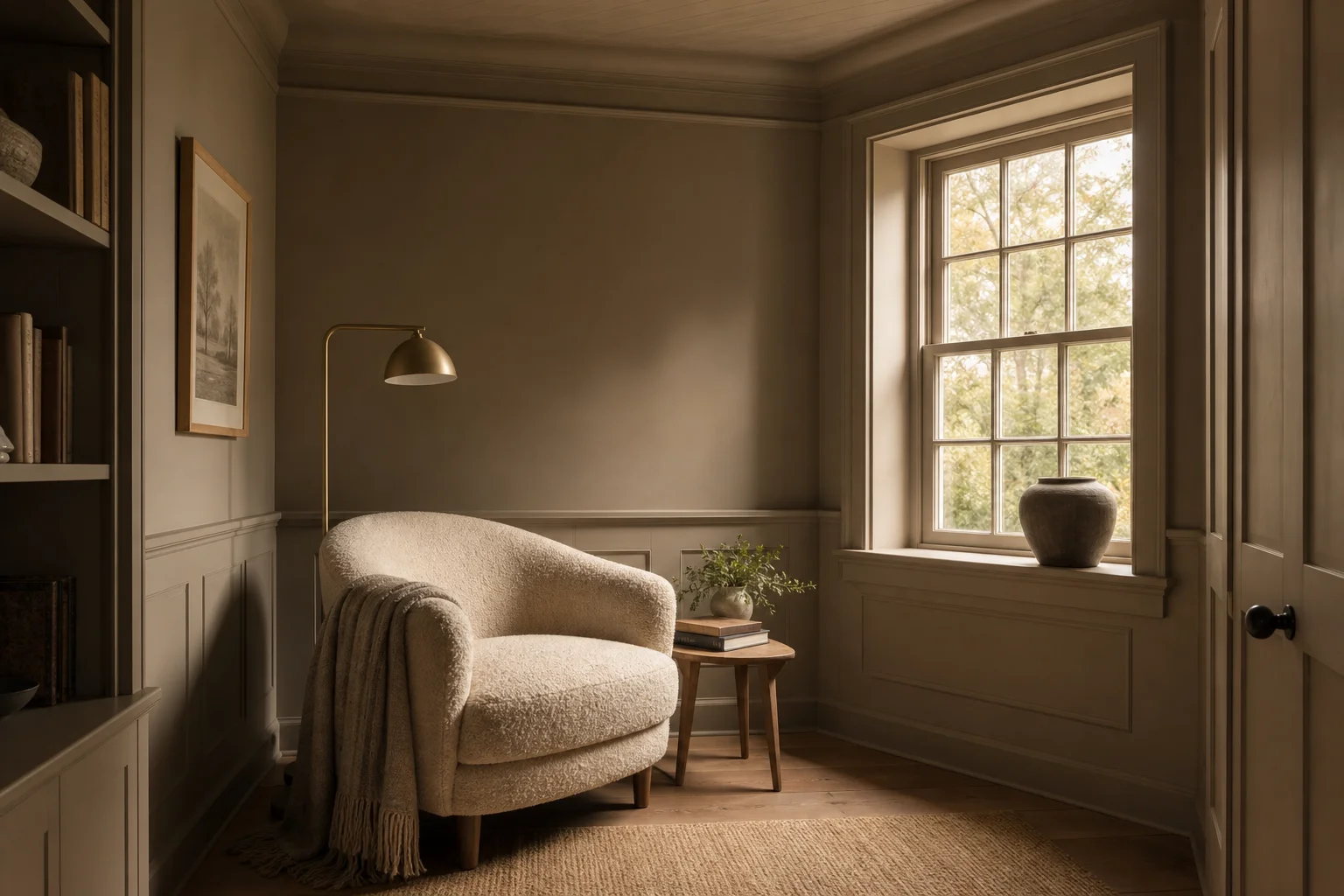
1. Pick one color you can live with in every light
Sample it big — on two walls, the trim, and a patch of ceiling. A drenched color follows you around the room, so test it morning and night before committing.
2. Plan your sheens
One color does not mean one finish. The classic recipe: matte or flat on walls and ceiling, eggshell or satin on trim and doors. Same hue, subtle depth. (An all-surface paint like a dead-flat finish simplifies this to one can.)
3. Paint the ceiling — this is the commitment
The ceiling is what separates a true drench from "bold walls." Removing the white plane overhead erases the room's hardest visual break and is exactly what makes the space feel taller and calmer.
4. Carry the color through trim, doors, and radiators
This is where awkward features disappear. Baseboards, window frames, door casings, radiators: all the same hue. Skip the masking tape — there are no contrast lines to protect.
5. Decide how far the furniture goes
Purists drench upholstery and curtains in tonal fabrics too. You do not have to — but keeping large furniture within the same temperature family preserves the effect.
Mistakes that break the spell
- Stopping at the walls. A white ceiling over four drenched walls reads as an unfinished accent project, not a drench.
- High-contrast everything. Stark white art frames and bright white bedding chop the room back up. Let most pieces sit close to the wall color and save contrast for one or two moments.
- Cold bulbs. Drenched rooms live and die by light temperature. Warm white (2700K) flatters browns, rusts, and olives; cool daylight bulbs turn them muddy.
- Choosing from a paint chip. A two-inch swatch cannot predict a color that will wrap the entire room. Sample big or preview it digitally first.
See your room drenched before you buy paint
The whole anxiety of color drenching is committing to one hue everywhere. So don't commit blind: upload a photo of your room to EasyRoomAI and preview it in warm, earthy palettes — your real layout and furniture kept, only the colors and mood reimagined.
- Start a free redesign — anonymous previews are free, no signup needed.
- Browse bedroom ideas and living room ideas to see saturated, drench-friendly palettes on real rooms.
Frequently asked questions
What is color drenching? Color drenching is painting every surface in a room — walls, ceiling, trim, and doors — in one single color. Unlike an accent wall or a monochromatic scheme of varied shades, a drench uses the same exact hue everywhere to create a seamless, immersive effect.
Does color drenching make a room look smaller? Usually the opposite. Removing the contrast between walls, trim, and ceiling lets the eye travel without interruption, which makes rooms — especially small ones — feel taller and more open. Designers specifically recommend drenching small rooms and painting the ceiling to create an illusion of height.
What colors work best for color drenching in 2026? Warm, earthy mid-to-deep tones: chocolate brown, rust and terracotta, olive and sage green, dusty blue, and taupe. These are also the year's fastest-rising color searches, so a drench in them feels current without being loud.
Do I need different paint finishes for a drenched room? The standard approach is matte on walls and ceiling with eggshell or satin on trim, all in the same color — the sheen difference adds subtle depth. A single all-surface dead-flat paint is the low-effort alternative.
Is color drenching just a fad? The look is having a moment, but the underlying idea — unified color to calm a space — is a technique, not a trend, as Farrow & Ball's brand ambassador puts it. Saturated single-color rooms have existed in European interiors for centuries.
How can I preview color drenching on my own room? Upload a photo to EasyRoomAI and generate versions of your room in warm drenched palettes before you commit to paint.
One color, every surface, warm light — that is the entire recipe. Pick the hue you love, paint the ceiling too, and let the room do the rest.
Ready to Transform Your Space?
Try AI room redesign for free - no credit card required.
Start Designing FreeRelated reading
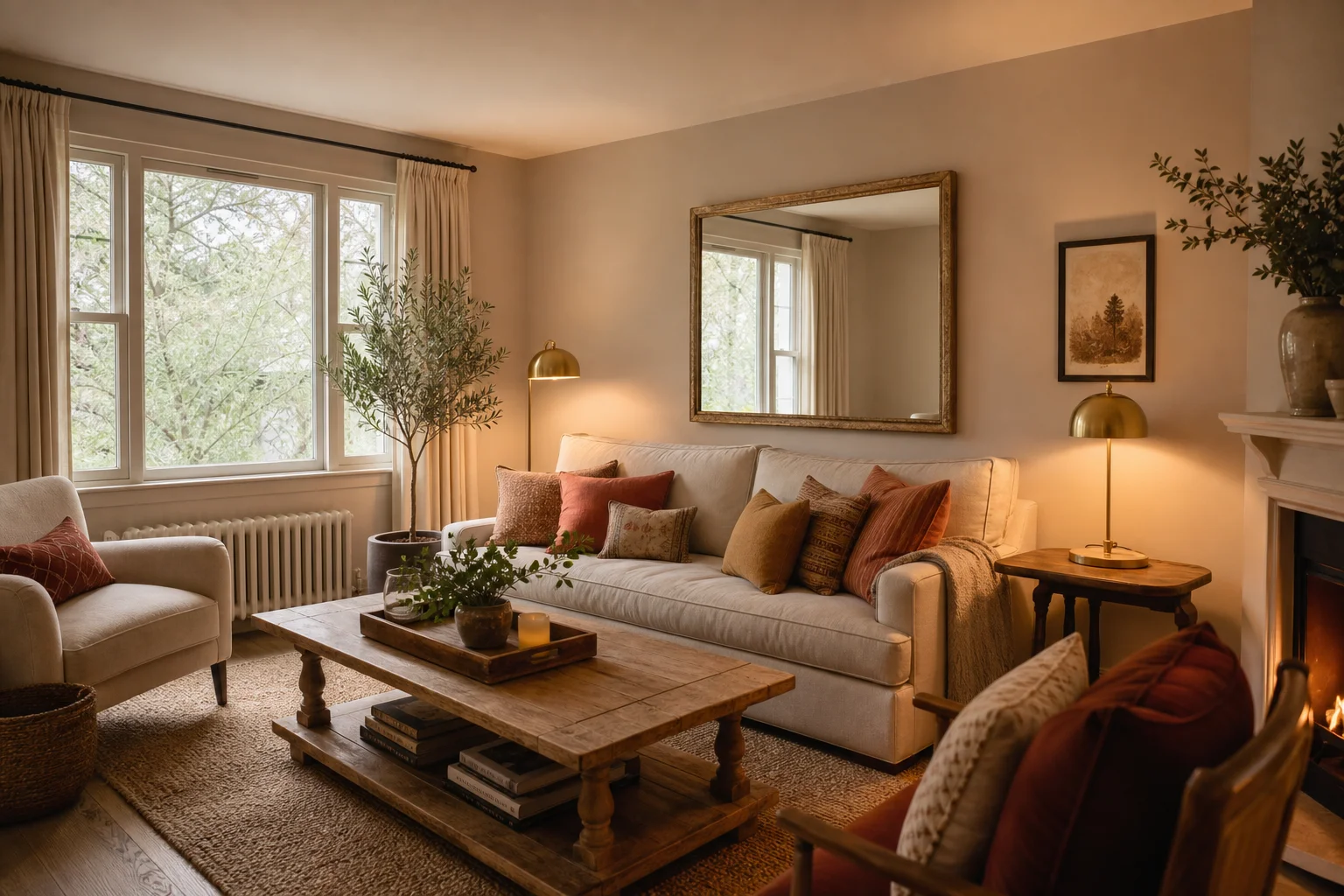
North-Facing Room Colors: How to Warm Up Cold, Dark Light (2026)
Why pure white backfires in north-facing rooms and the warm undertones designers swear by. Explore best paint colors for low light plus free AI room previews.
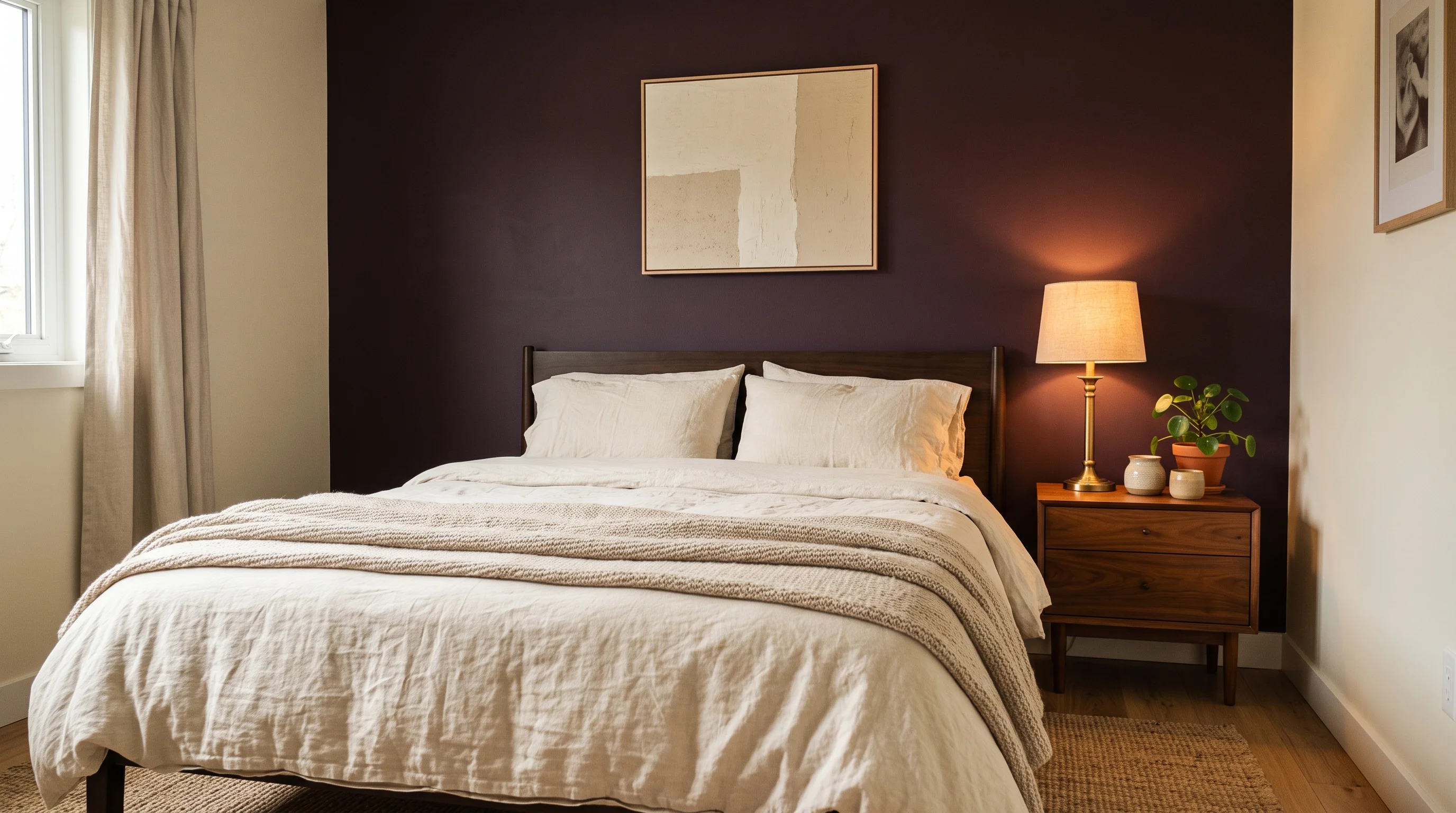
Plum Bedroom Ideas: 12 Ways to Use 2026's Most Cocooning Color
Pinterest reports Plum Noir searches up 220% with saves up 335%. Deep plum is 2026's answer to the all-white bedroom — cocooning, sophisticated, and surprisingly easy to live with. Here are 12 ways to use it.
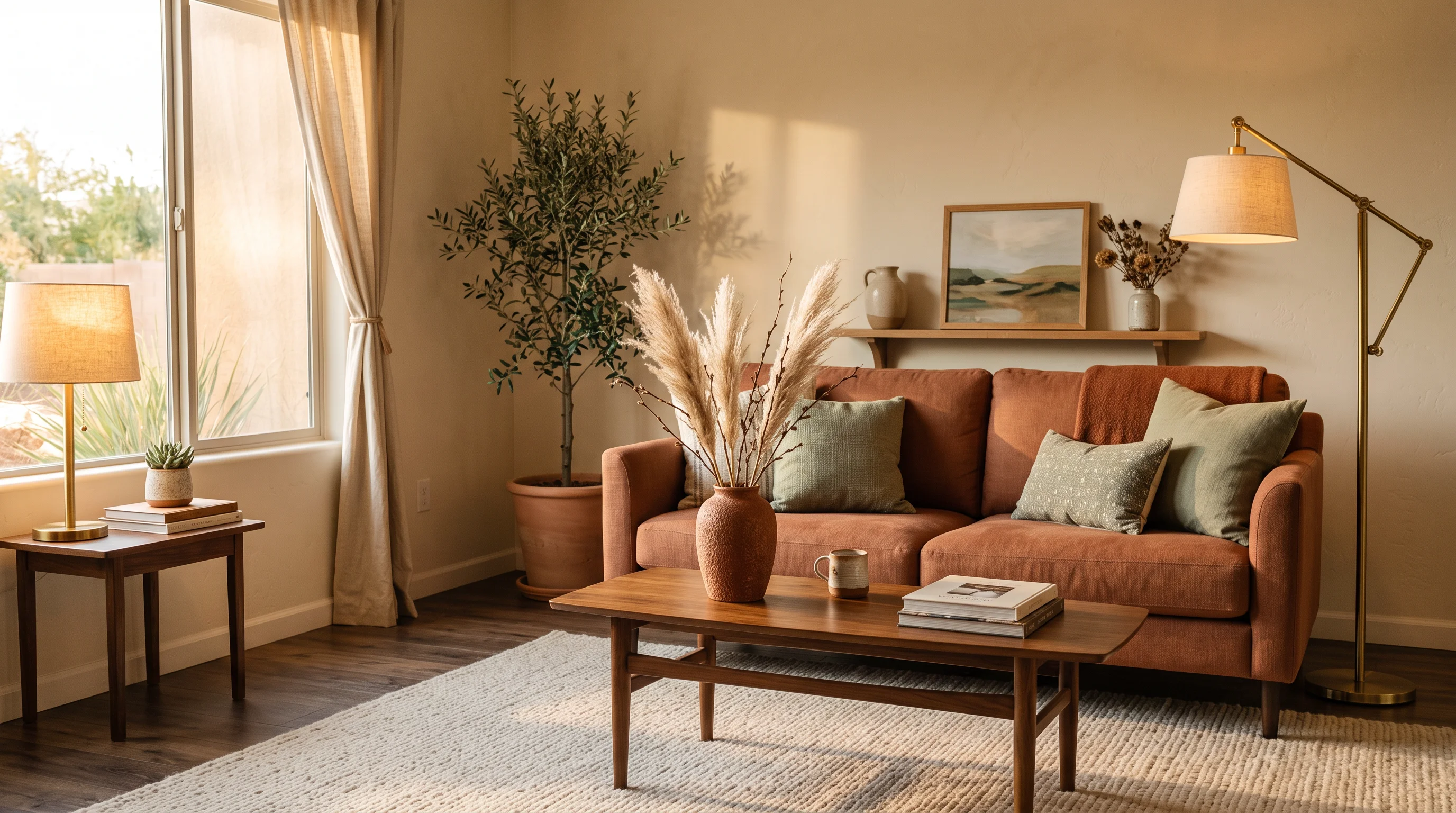
Earth Tone Living Room Ideas: 15 Warm Palettes Designers Are Using in 2026
Searches for earthy living rooms jumped 220% since 2023. Terracotta, sage, rust, and warm neutrals are replacing cool grays everywhere. Here are 15 earth-tone palettes that actually work — with styling rules to keep them warm without heavy.