Warm Minimalism: The End of Cold Minimalist Interiors (2026)
Stark, cold minimalism is dating fast. Warm minimalism keeps the calm and the clean lines but adds wood, warmth, and texture. Here is how to get the look in 2026.
 Easy Room AI Team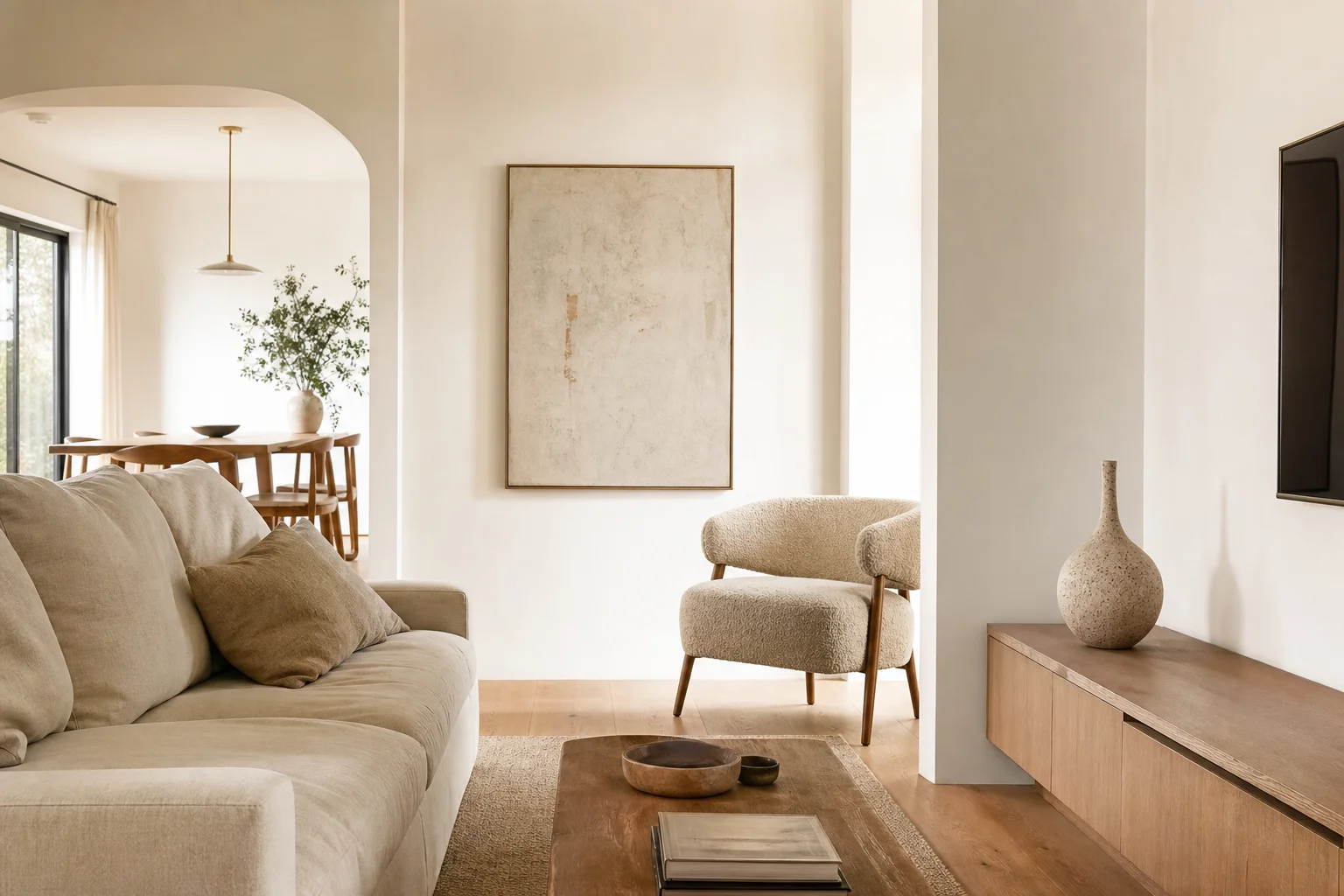
Cold minimalism is dating fast. The stark white walls, cool gray sofas, and empty surfaces that defined the 2010s now read more sterile than serene — and the data shows the pivot. In its 2026 designer survey, 1stDibs found "organic modernism" among the most-requested aesthetics, with chocolate brown the top color at 33%. As one trend roundup put it, after years of minimalist gray interiors, 2026 is "all about warmth, softness, and connection to nature."
Warm minimalism is the answer. It keeps the calm and the clean lines of minimalism but trades the chill for wood, warm neutrals, and texture. Here is exactly what it is, why it is replacing the cold version, and how to get the look on your own rooms.
In this guide you will learn:
- The difference between cold and warm minimalism (side by side)
- The 2026 data behind the shift
- The warm minimalism toolkit — five elements that do the work
- How to warm up a cold minimalist room, step by step
- How warm minimalism relates to Japandi and Scandinavian style
- The mistakes that tip minimal into either cold or cluttered
Cold vs warm minimalism
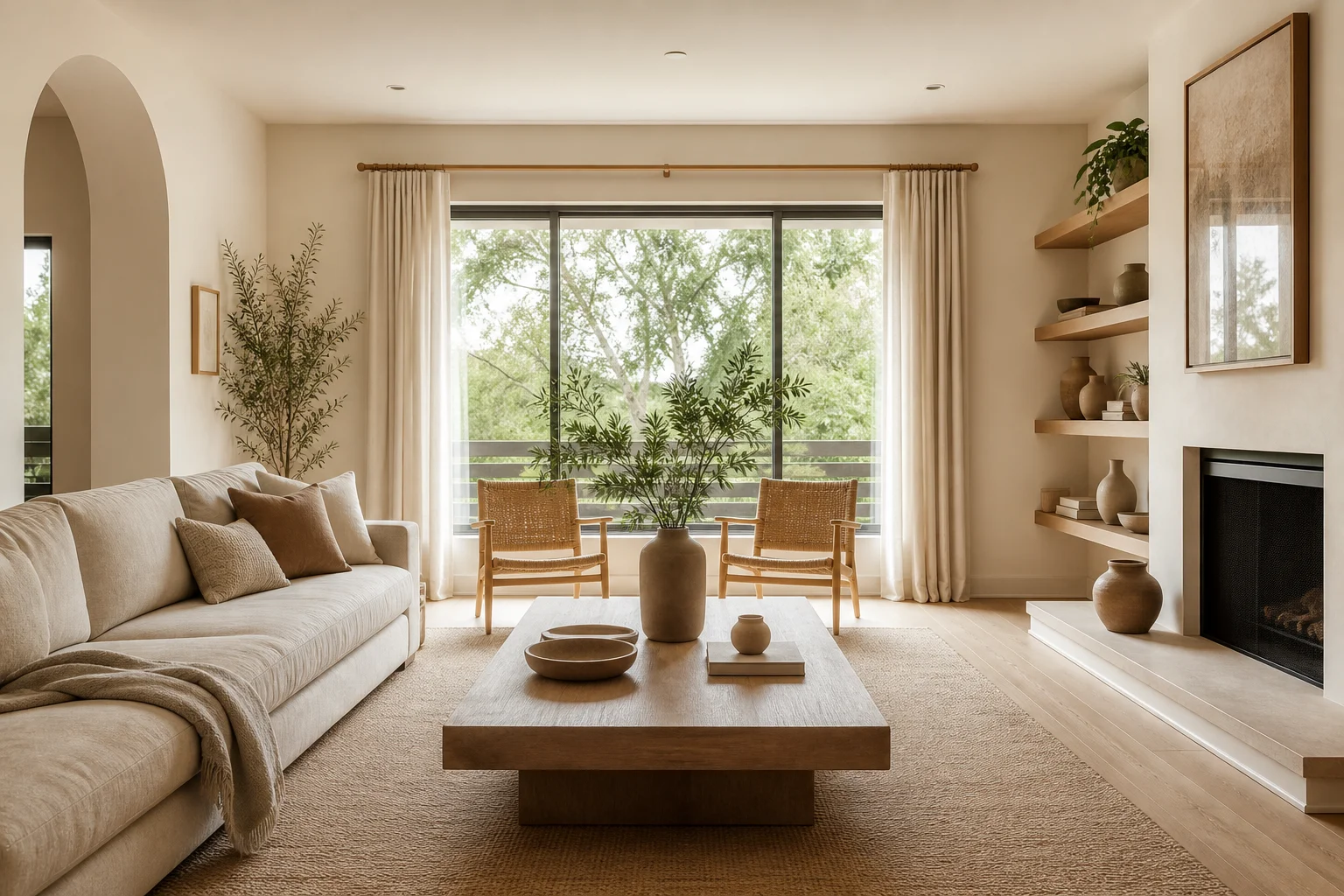
Both styles believe in restraint and clean lines. The difference is temperature.
| Cold minimalism | Warm minimalism | |
|---|---|---|
| Palette | Stark white, cool gray, black | Warm white, oatmeal, taupe, soft brown |
| Materials | Lacquer, glass, chrome, concrete | Oak, linen, wool, plaster, rattan |
| Feeling | Showroom, sometimes sterile | Sanctuary, lived-in calm |
| Surfaces | Empty, hard-edged | Spare but soft, with texture and curves |
| Light | Bright and flat | Warm and graduated |
Warm minimalism does not add more — it adds warmth. Same number of objects, kinder materials.
The 2026 data behind the shift
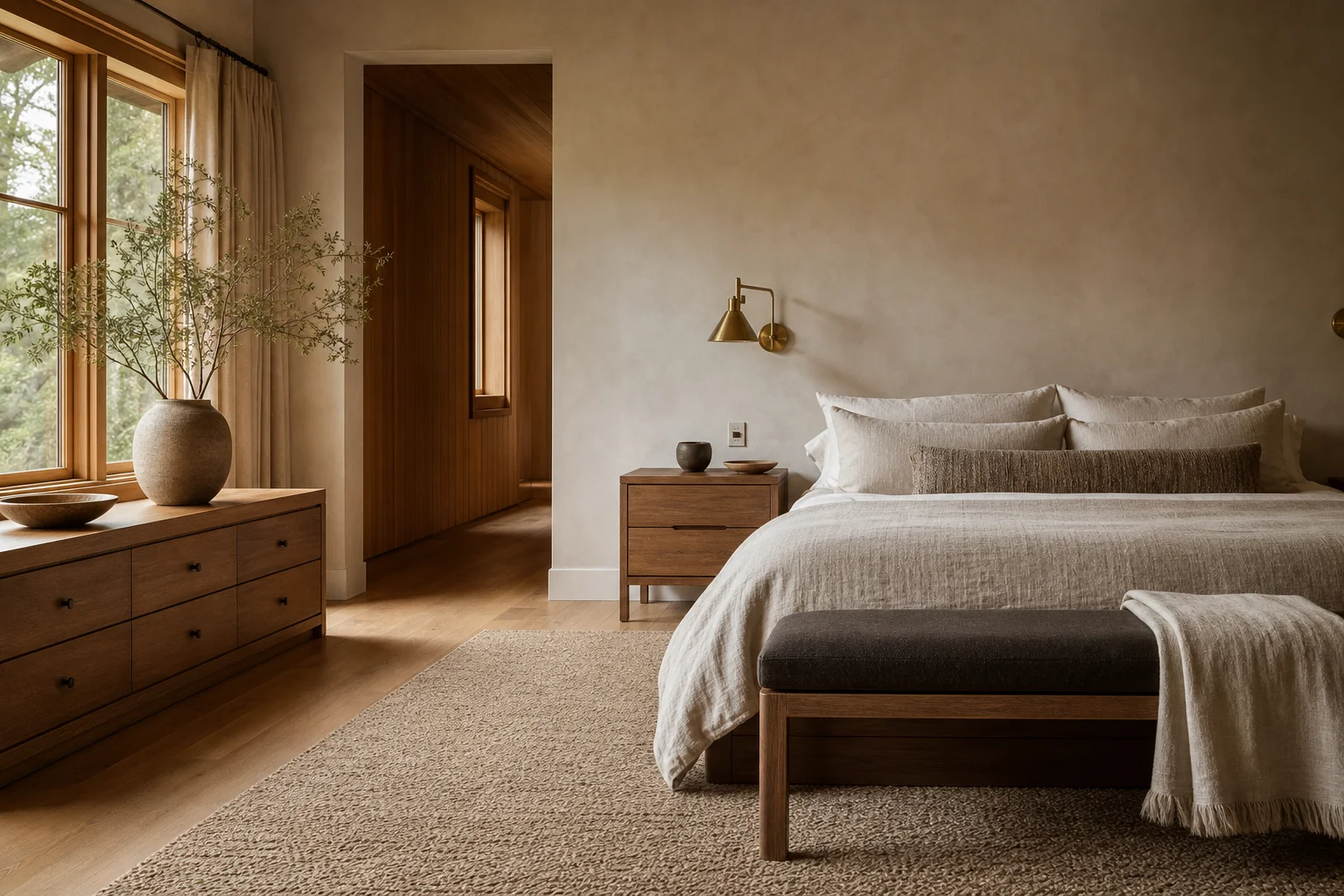
The move away from cold minimalism shows up across the trend data:
- Brown beats gray. In the 1stDibs 2026 survey, chocolate brown is the top anticipated color at 33% — nearly double its 2022 share — while cool gray keeps fading.
- Designers want "cocooned and restorative" rooms. As Benjamin Moore's team told Kitchen & Bath Design News, the pull is toward "earthy neutrals, softened browns and nature-inspired tones… interiors that feel cocooned and restorative."
- The warm-neutral swap is mainstream. Mushroom, greige, and warm taupe are replacing cool gray because they read "calm, but not cold," per one widely shared roundup.
It is the same instinct driving the year's other shifts: the burrowcore interior design trend 2026, warm color palettes, arched interiors, and curved pantry shelving all soften the hard, cold look that came before.
Preview Warm Minimalism in Your Space
Upload a photo of your space to test Warm Minimalism instantly with AI — 100% free.
Supports JPG, PNG, WebP up to 10MB
The warm minimalism toolkit
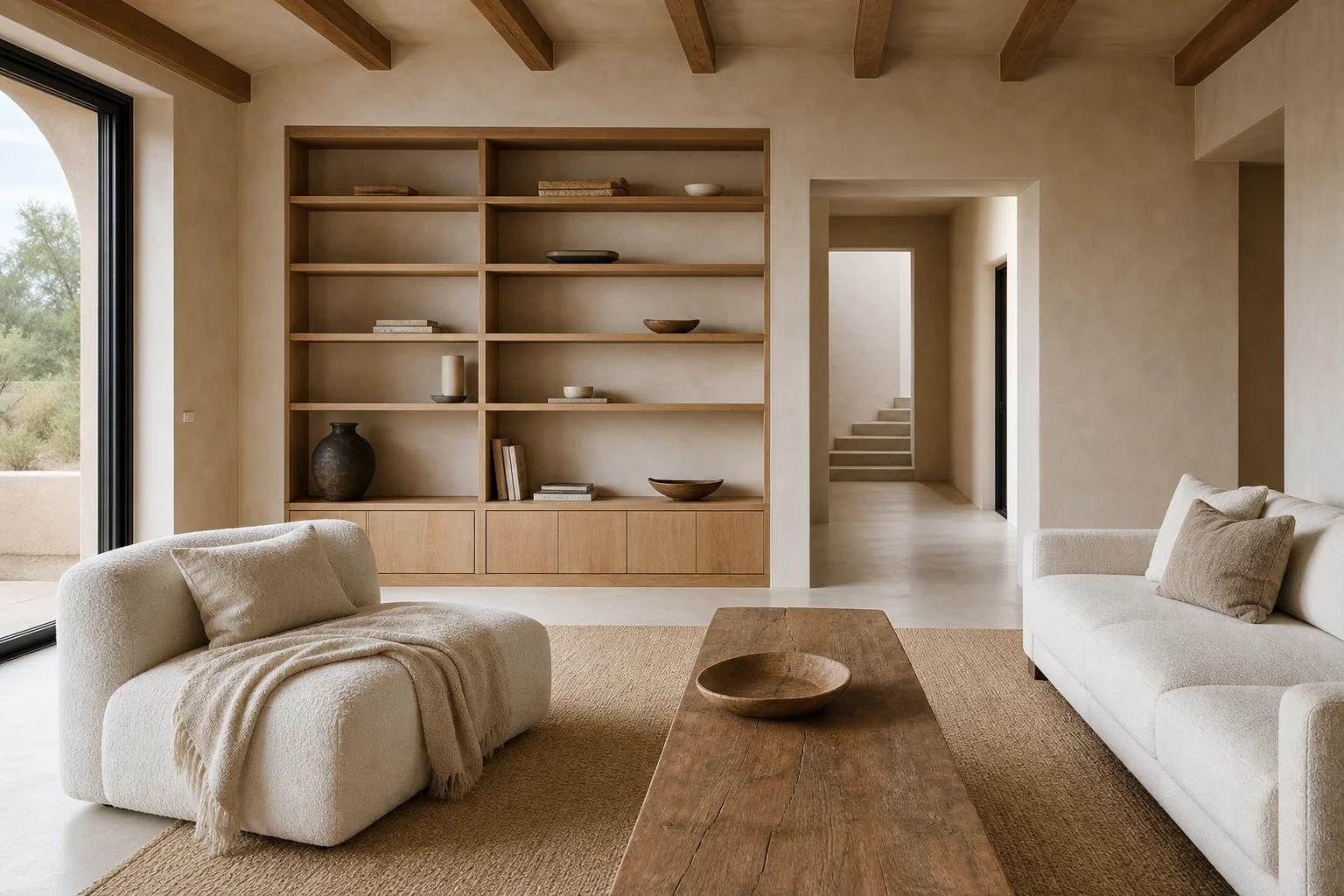
Five elements do the heavy lifting. Use them and almost any minimal room turns warm.
- Warm wood. White oak, walnut, or ash is the fastest way to add warmth without adding clutter. One wood surface changes the whole temperature of a room.
- Warm neutrals, not white. Swap stark white for warm white, oatmeal, and taupe. The room stays bright but stops feeling clinical.
- Natural texture. Linen, wool, bouclé, rattan, and plaster give the eye something to rest on, so a spare room never feels empty.
- Soft shapes. A curved sofa, a rounded coffee table, or an arched mirror breaks up hard angles and reads calmer.
- Fewer, better objects. Warm minimalism is still minimal: one sculptural vase, a stack of books, a single piece of art — chosen, not crowded.
How to warm up a cold minimalist room
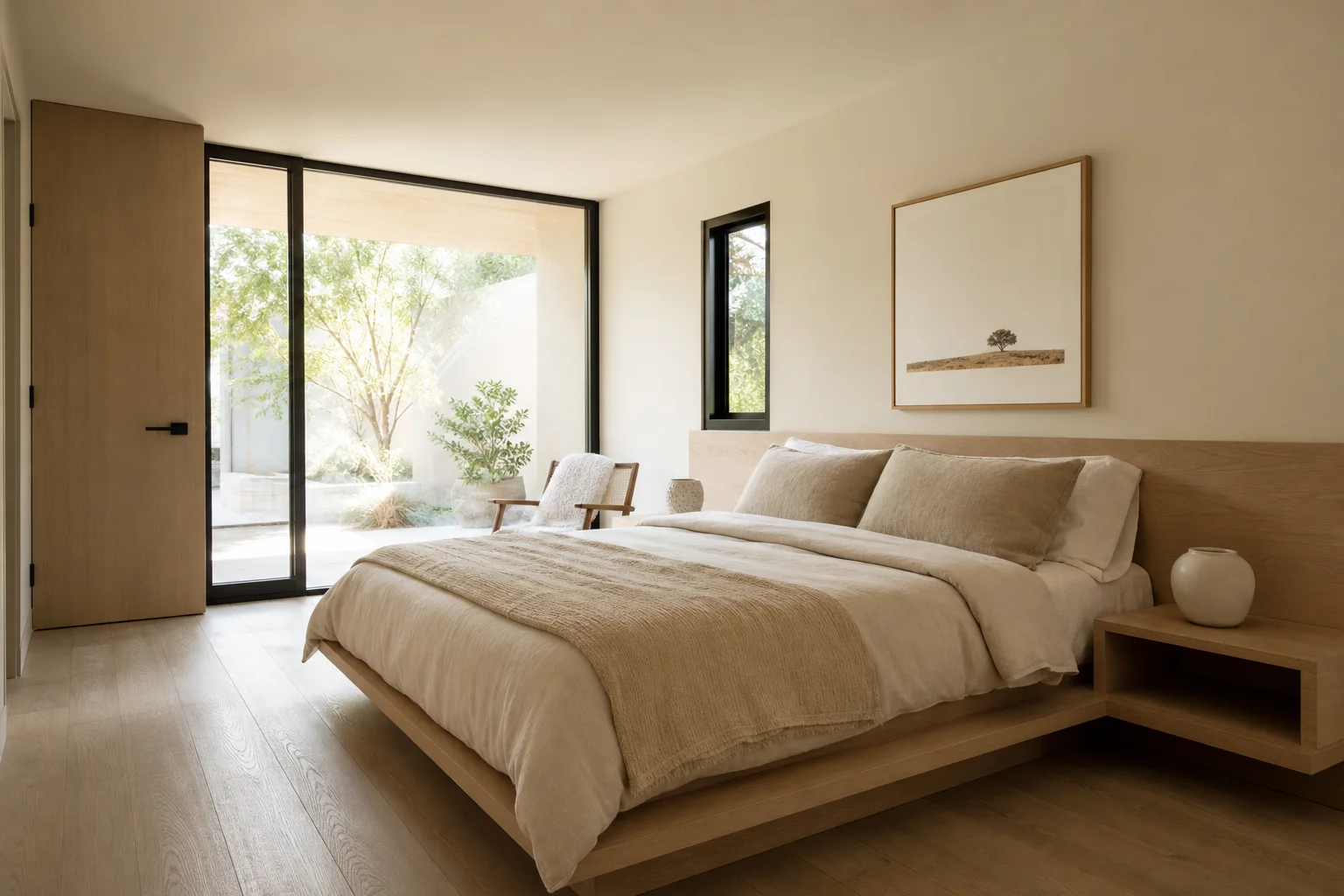
You do not need to start over. Warm up what you already have, in order of impact.
1. Change the temperature of your neutrals
Repaint cool gray or stark white with a warm white or soft greige. This single change does more than any furniture swap.
2. Bring in one wood surface
Add a white oak coffee table, shelf, or bench. Natural wood instantly warms a room full of hard, cool materials.
3. Layer texture through textiles
Trade flat, cool fabrics for linen, wool, and bouclé in oatmeal and sand. Texture is what keeps a minimal room from feeling bare.
4. Soften one hard edge
Introduce a single curve — a rounded mirror, a curved chair, an arched niche — to break the grid of right angles.
5. Edit, do not add
Finish by removing, not buying. Warm minimalism is restraint with warmth, not more stuff. Keep the few objects that matter and clear the rest.
Warm minimalism, Japandi, and Scandinavian
Warm minimalism is a family, not a single style. Japandi — the blend of Japanese restraint and Scandinavian warmth — is essentially warm minimalism with a wabi-sabi edge: natural materials, muted tones, and intentional imperfection. Scandinavian style shares the warm-wood-and-light-neutral base but leans brighter and cozier. If you prefer deep comfort, rich woodland palettes, and layered nests of vintage textures over edited restraint, the rising burrowcore interior design trend represents the coziest extreme of this warmth-first movement. If you love the calm of minimalism but find it cold, these are the styles to explore.
Common mistakes to avoid
- Keeping cool undertones. A warm wood table against blue-gray walls fights itself. Make sure your neutrals are genuinely warm first.
- Confusing minimal with bare. Stripping a room empty reads cold, not calm. Texture and one or two warm objects are what make it feel intentional.
- Over-correcting into clutter. Adding warmth is not adding stuff. Keep the discipline of minimalism — just change the palette and materials.
- All-matte, no contrast. A room of flat warm neutrals can go muddy. Add one crisp warm white and a little metal or stone to lift it.
See warm minimalism on your own room first
The hard part is picturing a warmer palette on your furniture before you repaint or reupholster. That is what EasyRoomAI is for: upload one photo of your room and preview it in warm minimalist styles like Japandi, Scandinavian, and Modern — your real layout kept, only the materials and tones reimagined.
- Start a free redesign — anonymous previews are free and need no signup.
- Selling an empty property? Staging with warm minimalism appeals to 85%+ of millennial home buyers. Follow our DIY Virtual Staging Software Guide to stage vacant spaces in seconds.
- Browse Japandi design ideas or Scandinavian ideas for warm minimalist inspiration on your own space.
Frequently asked questions
What is warm minimalism? Warm minimalism is a style that keeps the clean lines and restraint of minimalism but replaces the cold palette and hard materials with warm neutrals, natural wood, and texture. The goal is a room that feels calm and uncluttered but also cozy and lived-in, rather than sterile.
Is minimalism out of style in 2026? Cold, stark minimalism is fading, but minimalism itself is not. It is evolving into warm minimalism — same simplicity and clean lines, but with warm whites, browns, wood, and texture. Designers describe the 2026 direction as "cocooned and restorative."
What is the difference between warm minimalism and Japandi? They overlap heavily. Japandi is essentially warm minimalism with a Japanese wabi-sabi influence — natural materials, muted earthy tones, and a deliberate embrace of imperfection. All Japandi is warm minimalist, but warm minimalism is the broader umbrella.
How do I make a minimalist room feel warmer? Start with the neutrals: repaint cool gray or stark white as warm white or greige. Then add one wood surface, layer in linen and wool textiles, soften one hard edge with a curve, and edit out clutter rather than adding more.
What colors work for warm minimalism? Warm whites, oatmeal, taupe, mushroom, and soft browns form the base, with natural wood tones and the occasional earthy accent like sage or clay. Avoid cool, blue-based grays, which read cold against warm materials.
How can I preview warm minimalism on my room before I commit? Test it virtually. Upload a photo to EasyRoomAI and preview your room in warm minimalist styles before you repaint or buy new furniture.
Warm minimalism is the easiest way to keep the calm of a minimal home without the chill: warm up your neutrals, add wood and texture, soften one edge, and edit ruthlessly — calm, but never cold.
For more on how warm minimalism plays out in specific rooms — plus 21 other trends shaping 2026 — see our living room ideas and kitchen design ideas guides.
Ready to Transform Your Space?
Try AI room redesign for free - no credit card required.
Start Designing FreeRelated reading
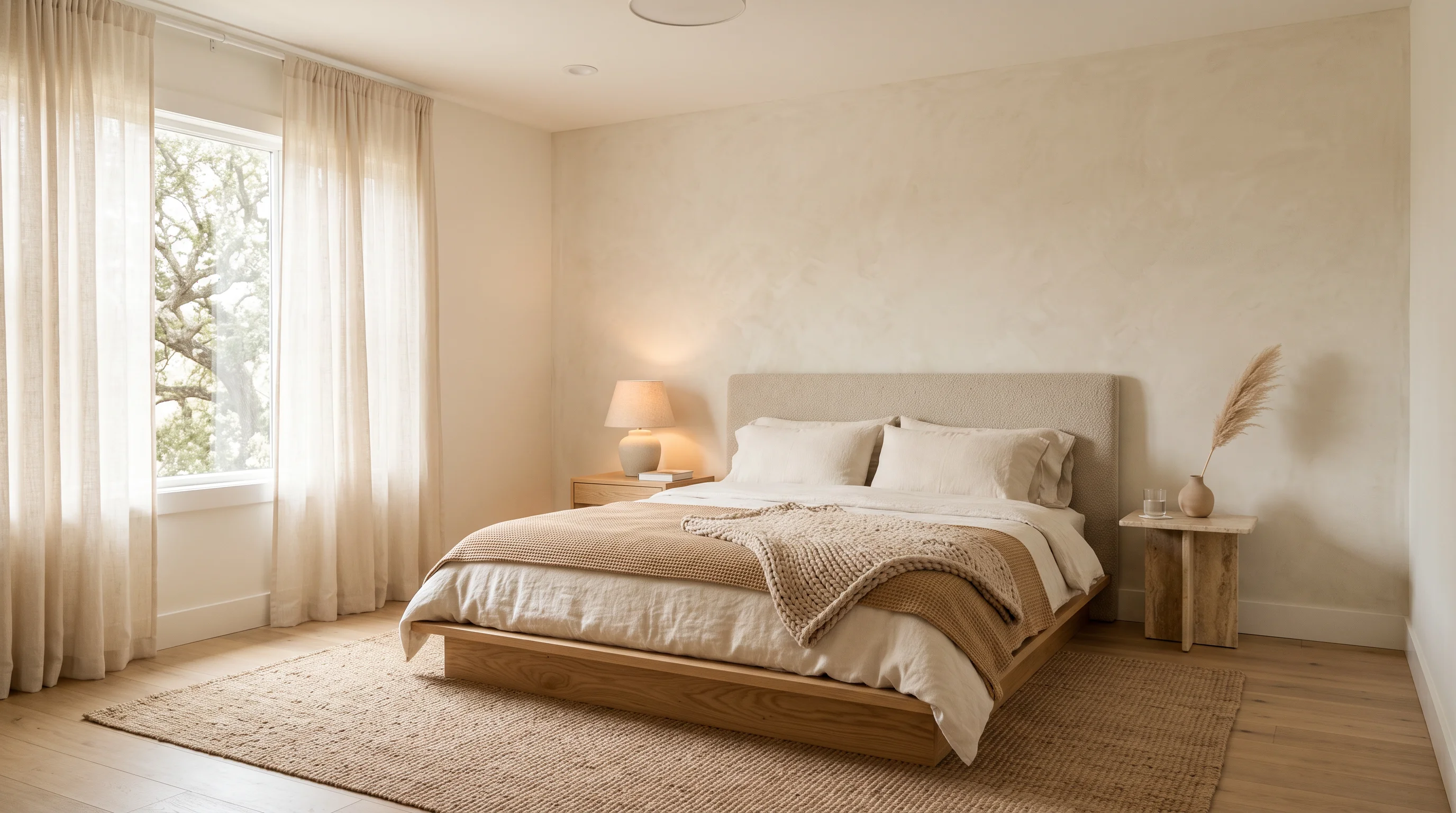
Warm Minimalist Bedroom Ideas: How to Create a Calm, Textured Retreat in 2026
A warm minimalist bedroom keeps the clutter-free calm but trades cold whites for cream, oak, and layered linen. Here are the exact steps — palette, bed, lighting, and textures.
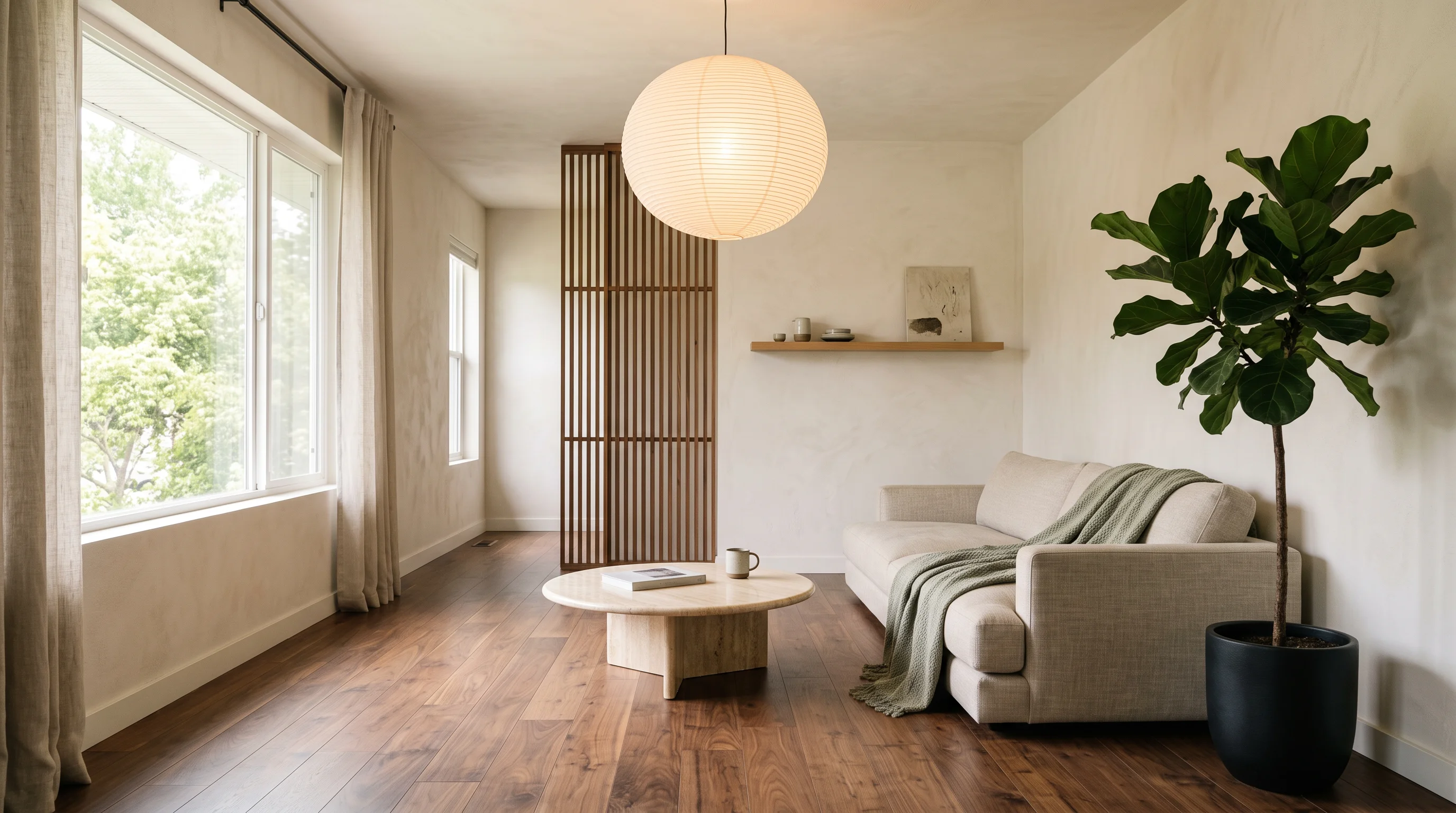
Japandi Interior Design: 20 Ideas for a Calmer, More Intentional Home in 2026
Japandi is the fastest-growing design style of the decade — up 340% on Pinterest, named #1 by 140 designers in Apartment Therapy's 2026 survey. Here's how to bring it into every room.
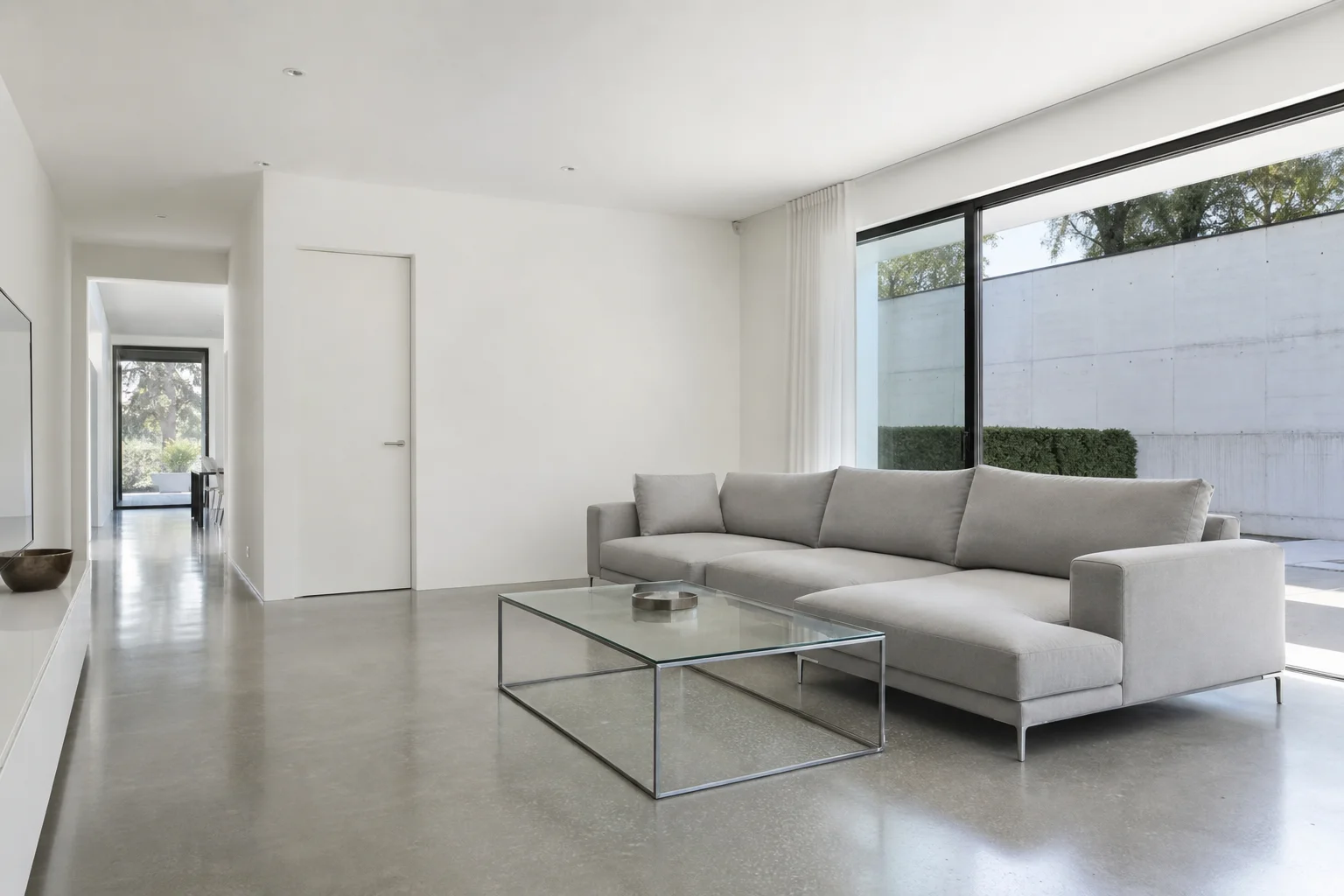
Cold Minimalism: The Cool-Toned Look (and How to Warm It Up) — 2026
Cold minimalism is the crisp, cool-toned cousin of warm minimalism — all greys, whites, steel and glass. Here's what it actually is, why pure cold can feel sterile, and how to keep the clean look while adding just enough warmth.