Living Room Ideas 2026: 22 Trends That Prove 'Instagram Interiors' Are Over
The staged, scroll-friendly living room is dead. In 2026, designers are building spaces that feel personal, warm, and intentionally imperfect. Here are 22 living room ideas — from earthy palettes to curved furniture to conversation layouts — shaping the year.
 Easy Room AI Team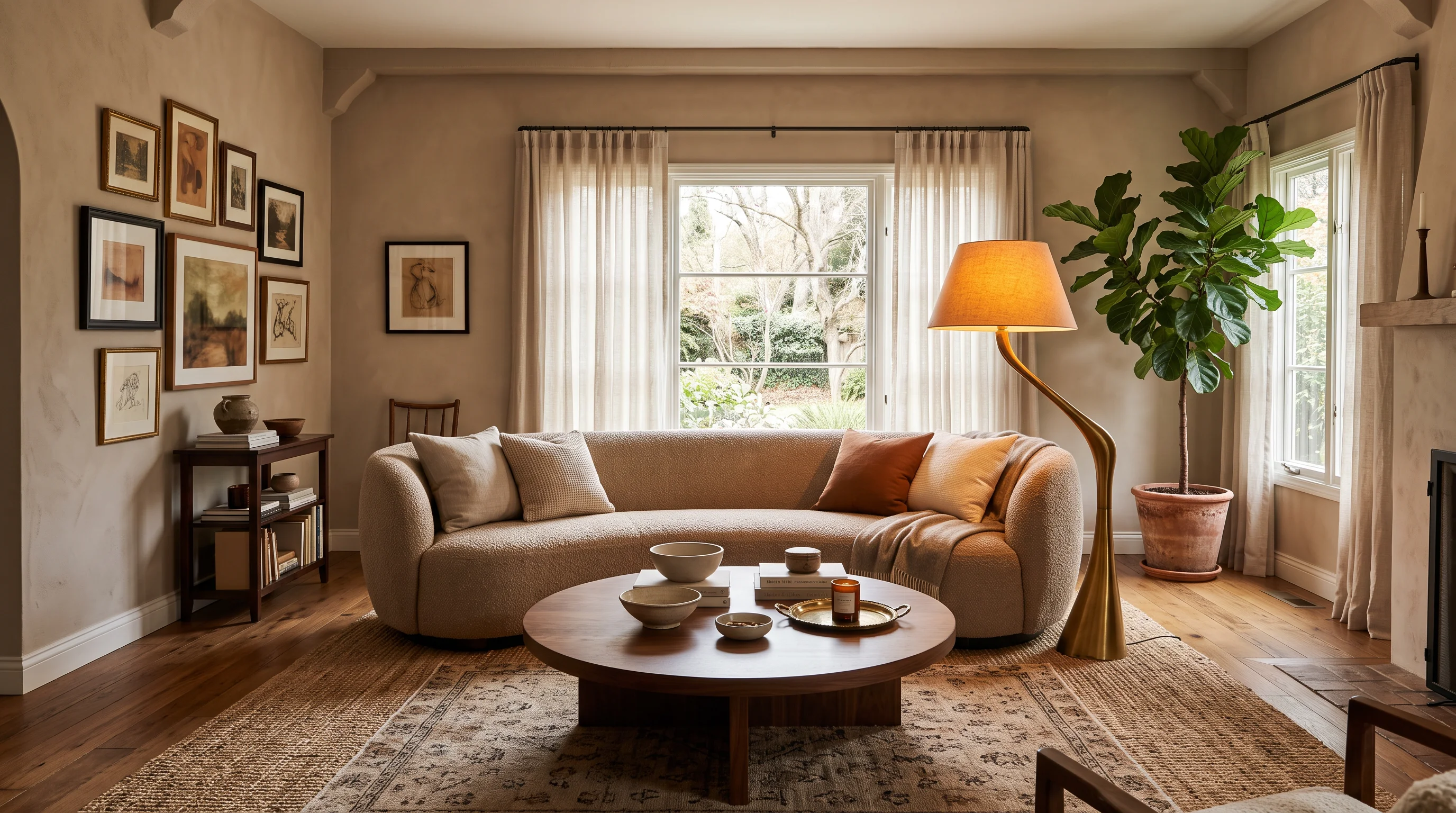
"In 2026, the most sophisticated and well-designed living rooms will feel artful, but highly intentional, rather than styled," interior designer Nannette Brown told ELLE Decor. "Spaces will be composed, layered, but equally edited. We'll see interiors be expressive and highly individualistic, without being performative."
That quote captures the entire shift. After years of algorithm-led design — rooms styled for the grid rather than for living — 2026 marks a hard course correction. The living room is no longer a stage; it is a personal retreat. Warmth over coolness. Texture over sheen. Personality over perfection. Intentional imperfection over clinical precision.
Here are 22 living room ideas that define where design is actually going this year.
Color: the gray era is officially over
Bobby Berk said it plainly: "The gray era is definitely over." The direction across every major trend report is the same — away from cool, stark neutrals and toward warmer, earthier, more enveloping tones.
1. Warm neutral foundations
Warm beige, creamy white, soft taupe, mushroom, and sand are replacing cool gray as the base palette. These are not "boring" neutrals — they are complex, light-sensitive shades that shift throughout the day. Benjamin Moore White Dove and Sherwin-Williams Accessible Beige are the two most-specified warm neutrals in designer projects this year. For the complete guide: warm neutral living room ideas.
2. Earthy accent colors
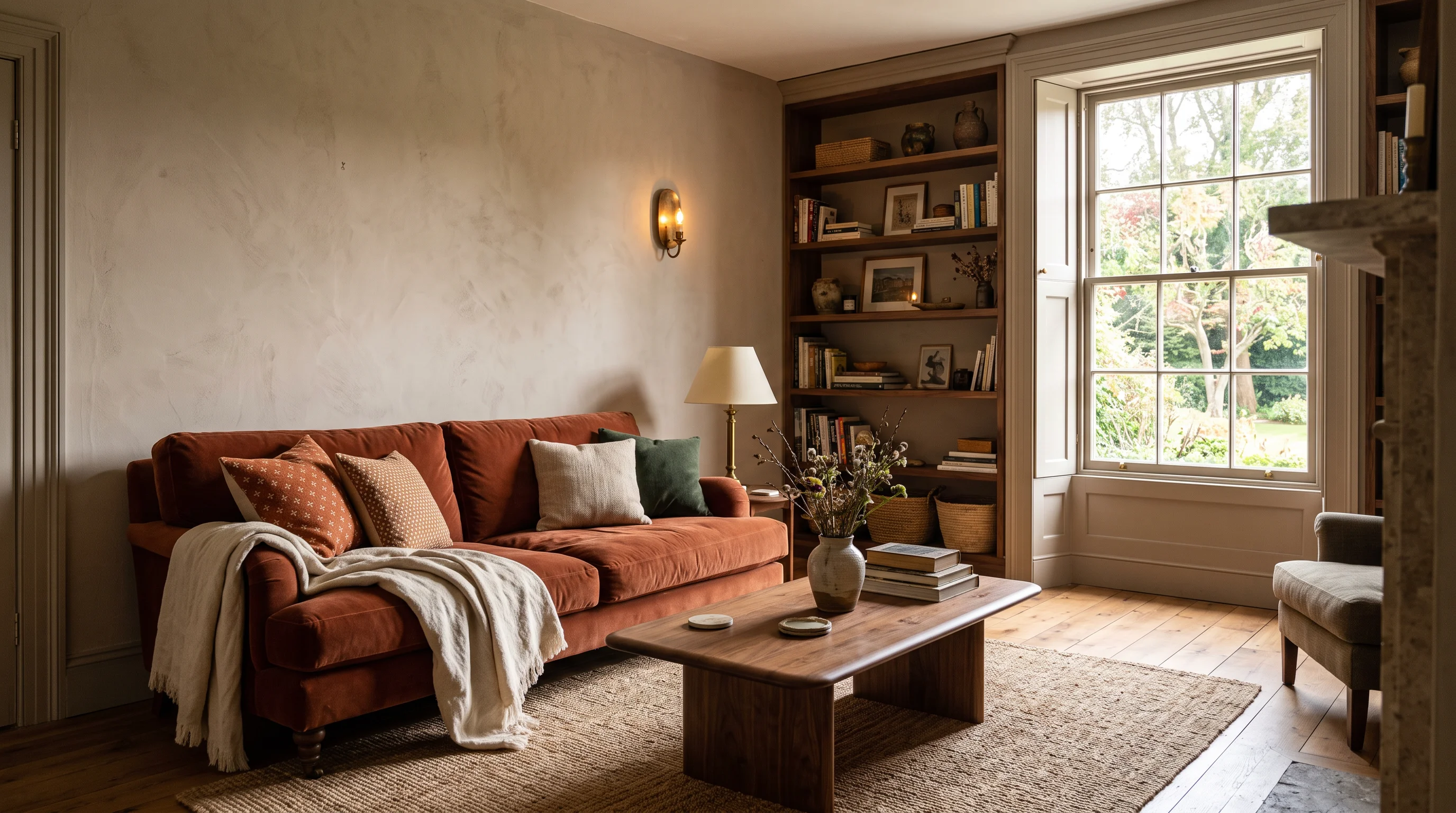
Terracotta, olive green, rust, deep brown, and honey-amber as accent tones layered over the warm neutral base. These colors connect interior spaces to the natural world and create emotional warmth that cool tones cannot. See our dedicated guides for terracotta living rooms and rust living rooms.
3. Color drenching
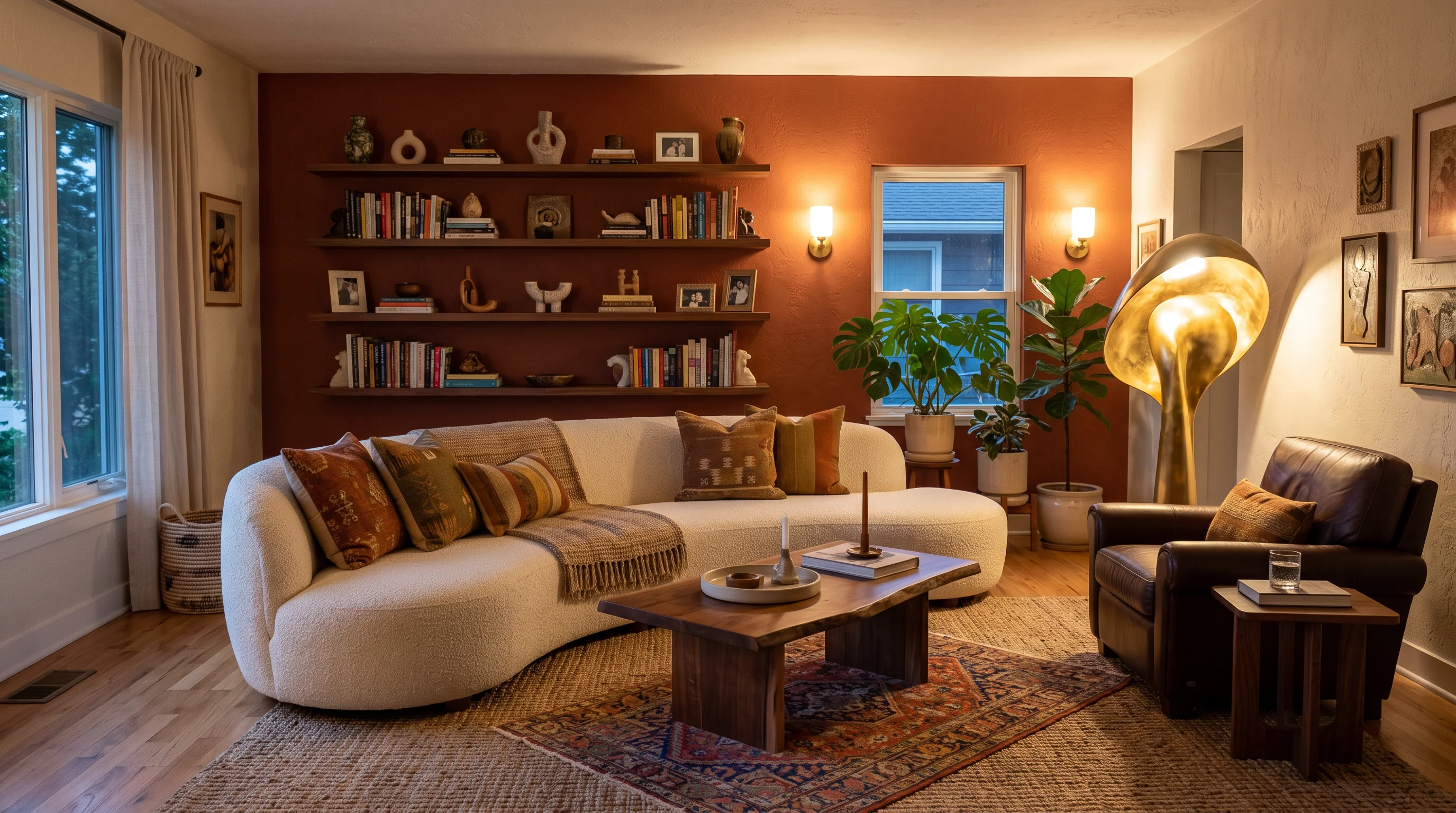
Painting walls, ceiling, trim, and even furniture in a single immersive tone — creating architectural depth and a cocooning effect. In living rooms, deep sage, warm charcoal, and terracotta are the most popular drench colors. The technique makes rooms feel intentional rather than "decorated." More: color drenching guide.
4. Rich chocolate brown
Hackrea's 2026 guide states it directly: "Rich chocolate brown has entirely replaced charcoal gray as the ultimate dark neutral." Brown velvet sofas, walnut wood, and chocolate accent walls create grounded, European-inspired spaces that feel warm even in darkness. See: chocolate brown and cream living rooms.
5. Moody charcoal (done warm)
Charcoal isn't dead — but in 2026 it's being used with warm undertones and warm materials. Paired with brass, cognac leather, and warm wood, a charcoal living room feels intimate rather than cold. The key is avoiding cool blue-gray. Guide: charcoal living room ideas.
Furniture: curves, comfort, and lower profiles
6. Organic curved sofas
The sharp-edged, angular sofa is giving way to rounded, organic forms. Curved sofas with soft arms, rounded backs, and kidney or crescent shapes create a sense of movement and gentle enclosure. They encourage conversation by facing people toward each other rather than toward a wall.
7. Low-profile seating
A shift from oversized, cushion-heavy furniture toward disciplined, lower silhouettes — sculptural sofas with integrated bases, monolithic armchairs, and forms that feel connected to the floor. Low profiles make ceilings feel higher and rooms feel more spacious while maintaining deep comfort through quality filling.
8. Deep seating proportions
Seat depths of 60–70 cm (vs. the standard 55 cm) for genuine lounging. The emphasis is on furniture you sink into rather than perch on. Combined with oversized cushions and layered throws, deep seating makes a living room feel like a space to inhabit, not pass through.
9. Modular flexibility
Modular sofas and reconfigurable sectionals that adapt to different uses — movie night, hosting, solo reading, game sessions. As living rooms become genuinely multifunctional, fixed-configuration furniture loses relevance. Storage ottomans, nesting tables, and movable poufs support this adaptive approach.
10. Statement armchair as sculpture
A single bold armchair — in an unexpected fabric, shape, or era — that anchors the room as an art piece. Think vintage leather wingback, oversized bouclé swivel chair, or a sculptural modern accent. This is the living room equivalent of "one hero pattern" that Shea McGee of Studio McGee references.
Redesign Your Living Room with AI
Upload a photo of your space to test 16 curated design styles instantly with AI — 100% free.
Supports JPG, PNG, WebP up to 10MB
Texture & materials: the tactile revolution
11. Bouclé and textured upholstery
Bouclé, chenille, washed linen, and nubby wool fabrics that you want to touch. Texture replaces pattern as the primary way to add visual interest in 2026 — surfaces that catch light differently create depth without the busyness of prints.
12. Natural wood as architecture
Walnut, oak, and warm-toned timber used structurally — as wall paneling, ceiling beams, built-in shelving, and furniture frames. Wood is not a decorative accent; it is the architectural language of the room. This connects to the broader shift toward warm minimalism.
13. Travertine and natural stone
Travertine coffee tables, stone side tables, and marble-topped consoles as grounding elements. The porous, earthy texture of natural stone creates visual weight that anchors lighter upholstered furniture. Honed (matte) finishes align with 2026's anti-gloss direction.
14. Mixed metals, warm bias
Brushed brass, aged bronze, and satin gold as dominant hardware and fixture metals — replacing chrome and polished nickel. In a living room: brass-framed mirrors, bronze table lamps, aged-brass shelving brackets. The metals serve as connective tissue between wood and upholstery.
15. Layered textiles
Multiple rugs (layered or adjacently placed), throw blankets in natural fibers, textured cushions in varying sizes, and heavy linen curtains. The cumulative effect: a room that feels collected over time rather than purchased in a single order.
Layout & function
16. Conversation-centric arrangements
The TV-focused layout — sofa facing a wall — is being challenged by arrangements that prioritize face-to-face interaction. Two sofas facing each other, an L-shape with armchairs closing the square, or a curved sofa creating an intimate zone. This is the "salon layout" revival, and it reflects the move toward hosting and togetherness.
17. Multifunctional zones
A single living room containing distinct zones — a reading corner with dedicated lamp and shelving, a gaming/hobby area, a conversation cluster, and a media zone. Furniture placement, rugs, and lighting define zones without walls. This is especially relevant for open-plan homes where the living room must serve multiple roles simultaneously.
18. The curated display wall
Gallery walls, open shelving, glass-door cabinets, and "curiosity-led displays" — 2026 embraces collecting as design. Books, objects, travel finds, inherited pieces, and personal art arranged as a "living archive." This is the antidote to the blank, minimalist wall — personality through accumulated meaning.
Lighting & atmosphere
19. Statement lighting as jewelry
"Lighting is no longer a finishing touch — it's the focal point," say the Brownstone Boys (ELLE Decor). Large-scale pendants, sculptural sconces, oversized floor lamps — anything that creates intentional drama while serving as functional art. Materials shift from industrial metal toward natural fibers, handmade ceramics, and organic forms.
20. Warm layered lighting
The 2026 lighting philosophy: multiple warm-temperature sources at varying heights. Floor lamps for ambient glow, table lamps for reading pools, wall sconces for architectural definition, and dimmable overheads for flexibility. Cold-white overhead fixtures are the fastest way to kill a warm palette's mood.
Design philosophy
21. Curated maximalism
Not "more stuff" — but more meaning. Pattern-on-pattern layering (Shea McGee: "let one hero pattern lead and support it with softer companions"), bold art, vintage finds alongside modern pieces, and rooms that evolved over time rather than arriving fully formed. This is the direct opposite of the matchy-matchy, "everything from one store" approach.
22. Personal details and "easter eggs"
Interior designers are embedding what they call "easter eggs" — subtle details connecting to a client's heritage, inside jokes, or personal references. Things that might go unnoticed by visitors but make a space feel genuinely inhabited. This is the ultimate rejection of algorithm-led design: rooms built for the people who live in them, not for the people who scroll past them.
Visualize your living room transformation
The challenge with living room design is commitment. A new sofa, a wall color, a rug — these are significant investments, and seeing them in your actual space with your actual light matters more than any mood board.
EasyRoomAI lets you upload a photo of your current living room and preview it in different directions — warm minimalist, earthy maximalist, Japandi, Mediterranean — with your real furniture layout, windows, and proportions preserved. Test before you invest.
FAQ
What is the biggest living room trend for 2026? The shift from algorithm-led, staged interiors toward personal, intentional spaces. In practical terms: warm earthy color palettes, organic curved furniture, textural layering, and rooms designed for the people living in them rather than for photographs.
What colors are trending for living rooms in 2026? Warm neutrals (mushroom, taupe, creamy white) as the base, with earthy accents — terracotta, olive green, rust, chocolate brown, and honey-amber. Cool grays are declining rapidly. Bobby Berk and NKBA both confirm this warm direction.
Are gray living rooms outdated? Cool gray is fading fast. If you love gray, shift toward a warm charcoal with brown undertones paired with warm materials (brass, cognac leather, walnut). The key is keeping the overall temperature warm.
What sofa style is popular in 2026? Curved, organic-shaped sofas with deep seating (60–70 cm depth) in textured fabrics like bouclé, chenille, or washed linen. Low-profile silhouettes that stay connected to the floor. Modular configurations for flexibility.
How do I make my living room feel more personal? Three moves: (1) Display collected objects that mean something to you (books, travel finds, inherited pieces), (2) Mix eras — one vintage piece alongside modern furniture, (3) Choose textiles and art that connect to your actual life rather than a trend report. The 2026 direction is rooms that feel "lived-in" rather than "styled."
Ready to Transform Your Space?
Try AI room redesign for free - no credit card required.
Start Designing FreeRelated reading
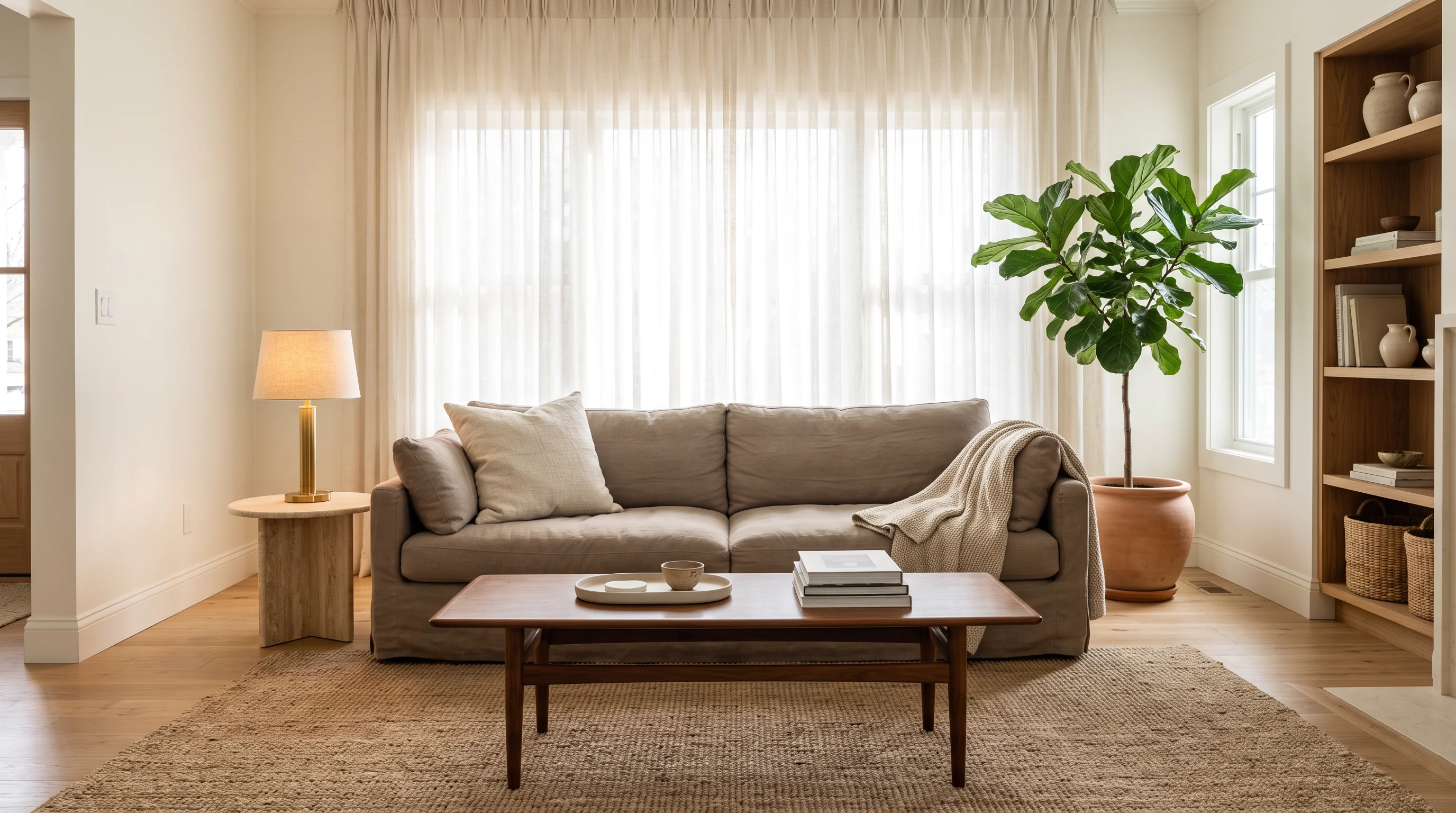
Warm Neutral Living Room: 5 Designer Palettes That Replace Cool Gray (2026)
Cool gray is out. Warm neutrals are the new foundation — but 'warm neutral' is not a single color, it's a system. Here are 5 specific designer palettes with exact paint picks, material pairings, and the lighting rules that make them sing.
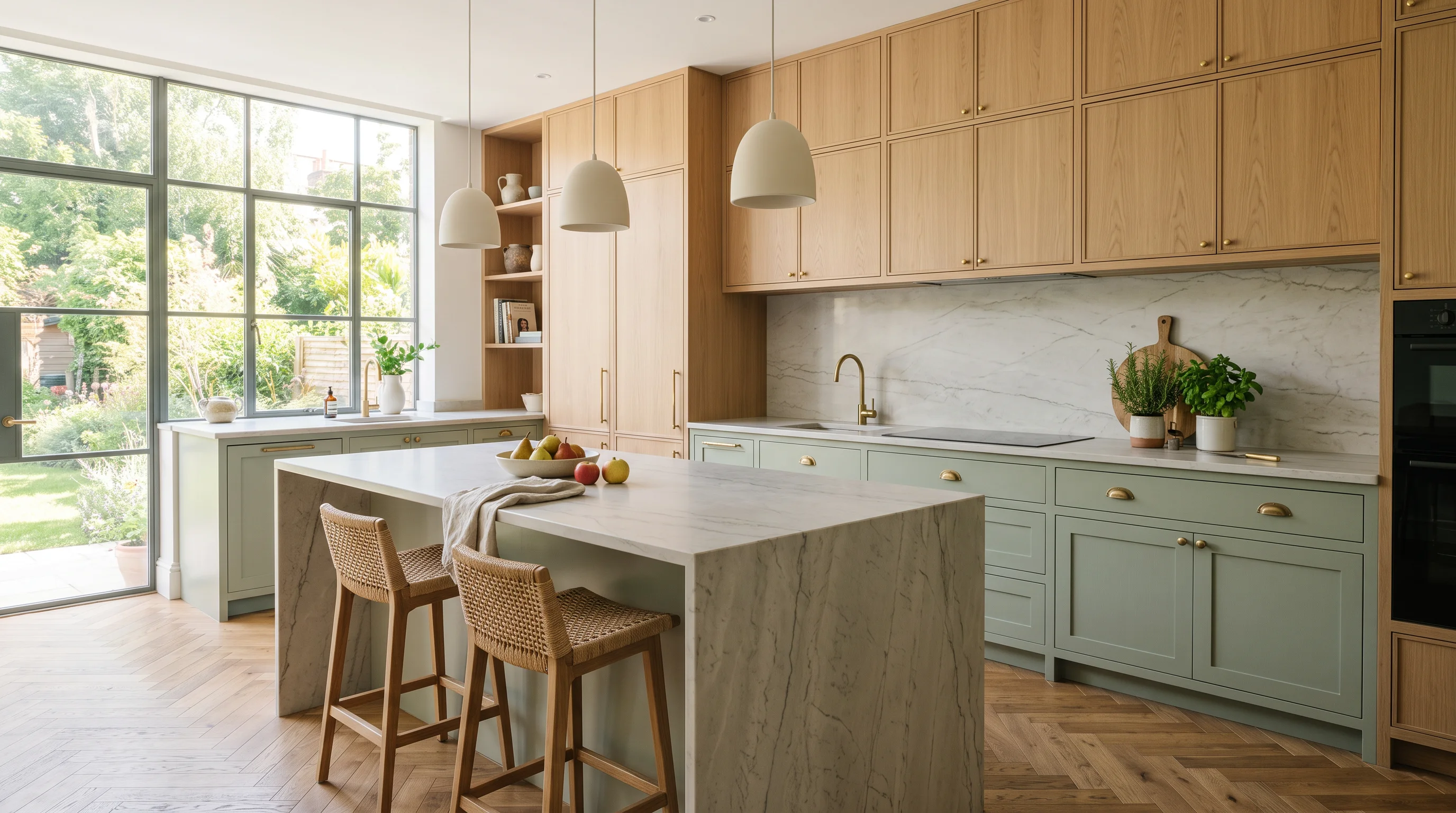
Kitchen Design Ideas 2026: 25 Trends Designers Are Actually Using This Year
The all-white kitchen is officially over. From warm wood cabinets to concealed everything, here are 25 kitchen design ideas shaping 2026 — backed by NKBA data and real designer projects.
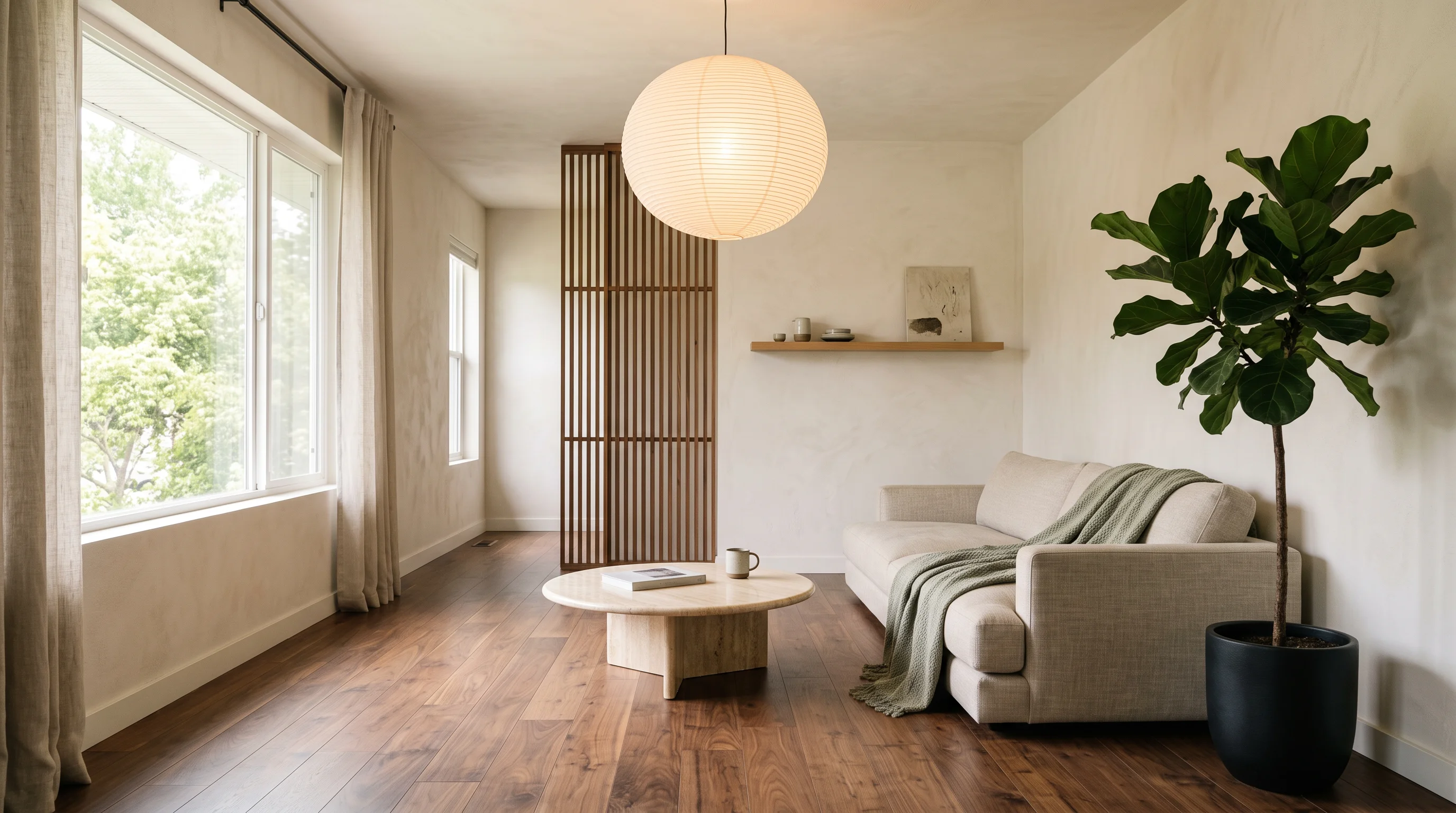
Japandi Interior Design: 20 Ideas for a Calmer, More Intentional Home in 2026
Japandi is the fastest-growing design style of the decade — up 340% on Pinterest, named #1 by 140 designers in Apartment Therapy's 2026 survey. Here's how to bring it into every room.