Afrohemian Decor: The Pinterest-Predicted Trend Bringing Soul Back to Interiors in 2026
Afrohemian decor fuses African craft traditions with bohemian layering to create rooms that feel soulful, warm, and deeply personal. Pinterest Predicts named it a top 2026 trend — here is how to get the look.
 Easy Room AI Team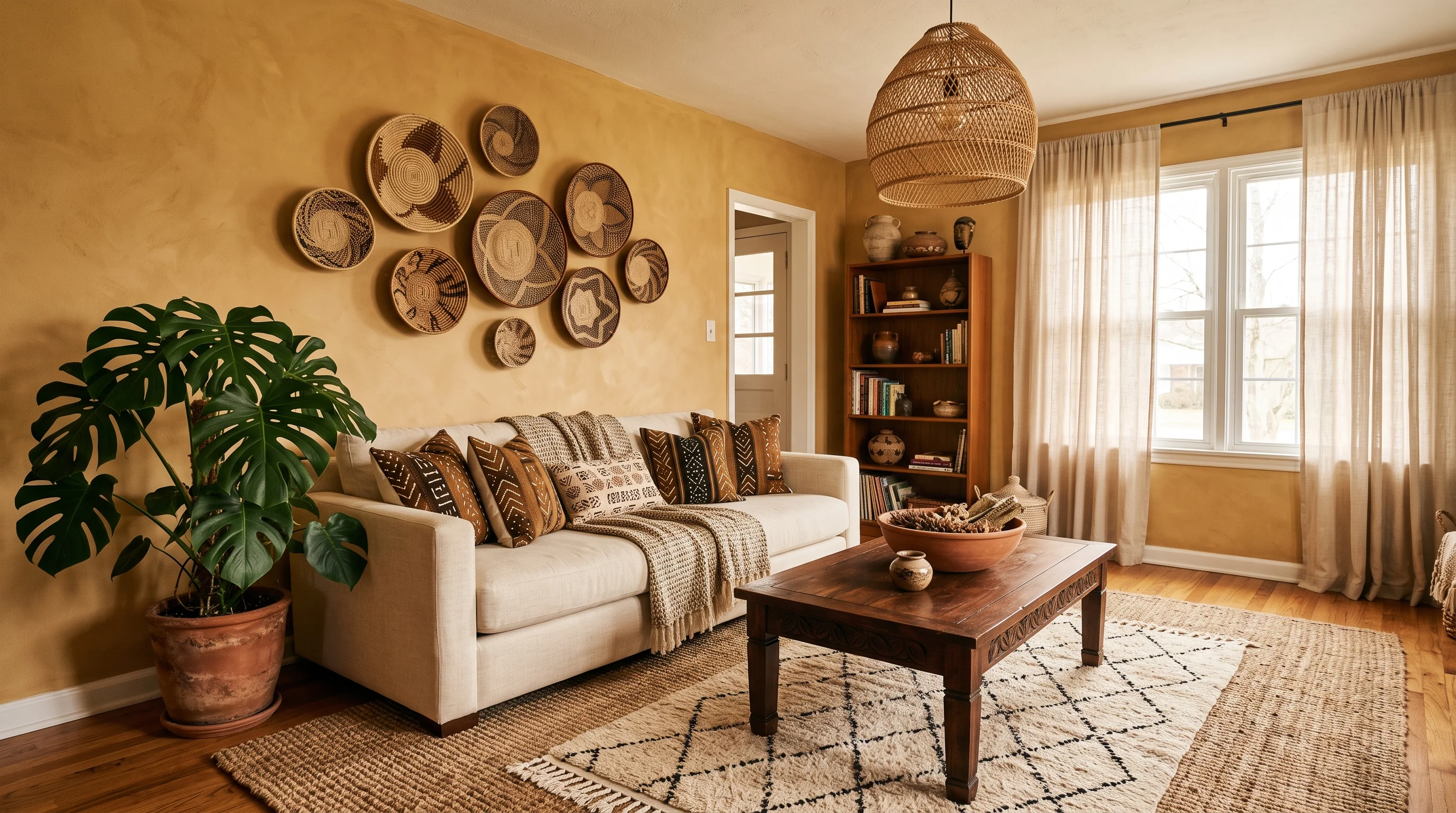
Most interior trends start in designer showrooms. This one started in culture. Pinterest Predicts 2026 — the platform's annual forecast that has been roughly 80% accurate over previous cycles — named Afrohemian Decor one of 21 defining trends for the year. The numbers are striking: searches for "afrobohemian home decor" are up 220%, "motif berbere" up 210%, and "adire fabric" up 130%.
This is not a niche aesthetic. It is the mainstream's overdue recognition that the most compelling rooms are not designed — they are layered with meaning.
In this guide you will learn what Afrohemian decor actually is, the signature palette and textiles, and how to bring the look into your home without turning it into a mood board.
What Is Afrohemian Decor?
Afrohemian — sometimes called Afro-Boho — is the fusion of African heritage design with the relaxed, globally layered spirit of bohemian interiors. From the African side come bold geometric patterns, handcrafted materiality, and storytelling through objects. From the bohemian side comes the freedom to layer, mix, and let a room evolve over time.
"Afrohemian design is where global bohemian ease meets the richness, craft, and storytelling of African design traditions," says DuVäl Reynolds, Lead Designer at DuVäl Design. "It's warm and textural, with a collected-over-time feel rather than anything overly polished or matchy. It's less 'boho clutter' and more curated warmth — artisan-driven, not algorithm-driven."
Three things set it apart from generic bohemian decor:
-
Cultural specificity. The textiles are not "globally inspired" in the vague sense. They are mudcloth from Mali, Kuba cloth from the Congo, kente from Ghana, adire from Nigeria. Each carries centuries of craft tradition.
-
Earthy grounding. Where bohemian can drift into pastel whimsy, Afrohemian stays rooted in sunbaked earth tones — ochre, clay, burnt sienna, deep brown — that feel warm, substantial, and timeless.
-
Intentional layering. Every piece tells a story. A hand-carved wooden stool is not decoration; it is a functional object with provenance. The room should feel collected, not decorated.
The Afrohemian Color Palette
The palette draws directly from the landscape: fired clay, afternoon light on sandstone, indigo dye vats, and the deep browns of hand-carved teak.
Warm earth base (60–70%)
Walls and large surfaces. Stay in the warm neutral family:
- Ochre / Sand: the signature warm backdrop — think sun-dried earth, not yellow
- Warm cream / Off-white: keeps the room breathable without going sterile
- Clay / Warm taupe: deeper than cream, reads sophisticated in larger spaces
These overlap with the organic modern palette — the two styles share DNA and blend naturally.
Rich accent layer (20–30%)
Textiles, accent furniture, and art. This is where Afrohemian distinguishes itself:
- Terracotta / Burnt sienna: connects to terracotta living room ideas and fired pottery
- Deep brown / Chocolate: 1stDibs' 2026 survey names chocolate brown the top color at 33%
- Indigo / Deep blue: the classic African dye — used sparingly in textiles and pottery
- Rust / Olive: warm mid-tones that bridge the base and the accent
Contrast anchor (10%)
- Black / Charcoal: balances the warmth. Use in wrought-iron hardware, carved dark wood, or bold pattern outlines. As designer Reynolds notes, Afrohemian "leans into warm, sunbaked hues often balanced with black for contrast."
Preview Bohemian in Your Space
Upload a photo of your space to test Bohemian instantly with AI — 100% free.
Supports JPG, PNG, WebP up to 10MB
Signature Textiles and Patterns
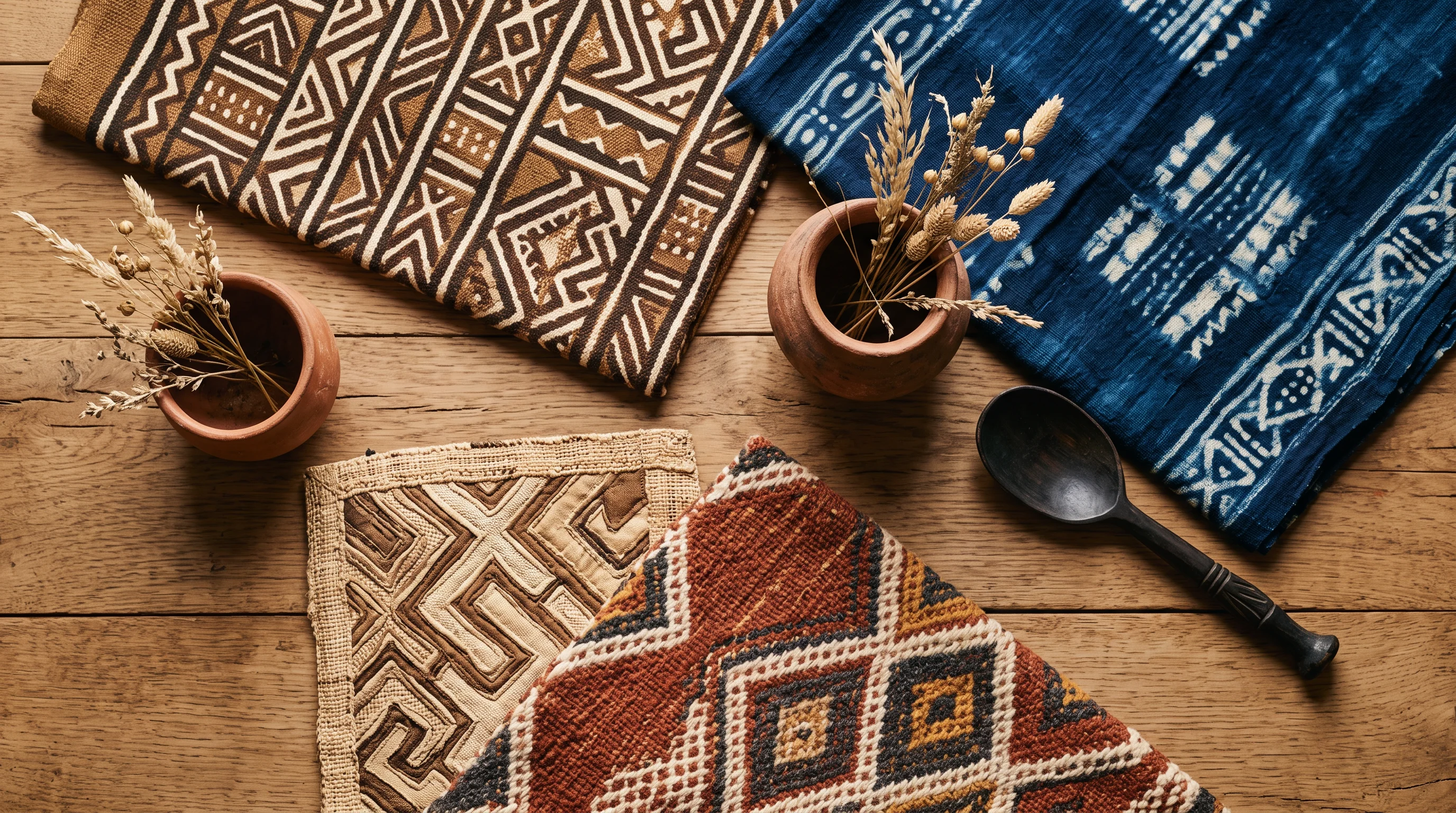
Textiles are the architecture of an Afrohemian room. If the furniture is the structure, the fabric is the soul.
Mudcloth (Bogolanfini). Hand-woven cotton dyed with fermented mud, originating from Mali. The bold geometric patterns immediately anchor a space. Use as throws, framed wall art, or pillow covers. Reynolds calls it "a defining feature of Afrohemian design — their graphic geometry and intricate patterns immediately anchor a space and bring cultural depth."
Kuba cloth. Woven from raffia palm fiber in the Democratic Republic of Congo. The interlocking geometric patterns are rougher and more textural than printed fabric, which makes them work beautifully as wall art or runner-sized table covers.
Adire. Indigo-dyed resist fabric from Nigeria (searches up 130% on Pinterest). The deep blue tones provide a striking counterpoint to the warm earth palette.
Motif Berbere. North African geometric patterns (up 210% on Pinterest). Often found in rugs, these angular, rhythmic designs ground the floor plane.
How to layer without chaos: Start with one anchor textile — a large mudcloth throw or a Berbere rug — and build around its dominant color. Balance patterned pieces with solid-color cushions. Vary texture (woven next to smooth, heavy next to light) rather than adding more pattern.
Natural Materials and Handcrafted Elements
The Afrohemian room rewards the human hand. Mass-produced pieces read as filler; handcrafted ones read as intentional.
Wood. Dark-stained or natural hardwoods — teak, mahogany, mango — in chunky, organic forms. Hand-carved stools, sculptural side tables, and solid console pieces. Look for visible tool marks and grain variation; they are features, not flaws.
Rattan and wicker. Lighter-use items: accent chairs (up 50% on Pinterest), pendant lights, storage baskets. These add textural contrast to the heavier wood and earth elements.
Woven baskets. The Afrohemian equivalent of gallery art. Group three to five handwoven baskets of varying size on a wall to create rhythm. They function as both decorative objects and practical storage.
Clay and ceramic. Terracotta pots, unglazed vessels, and hand-thrown pottery. Asymmetry is valued. These connect to the organic modern emphasis on tactile surfaces.
Leather. Natural or vegetable-tanned leather on poufs, chair cushions, and handles. Aged leather develops a patina that deepens the collected feel over time.
Afrohemian Living Room Ideas
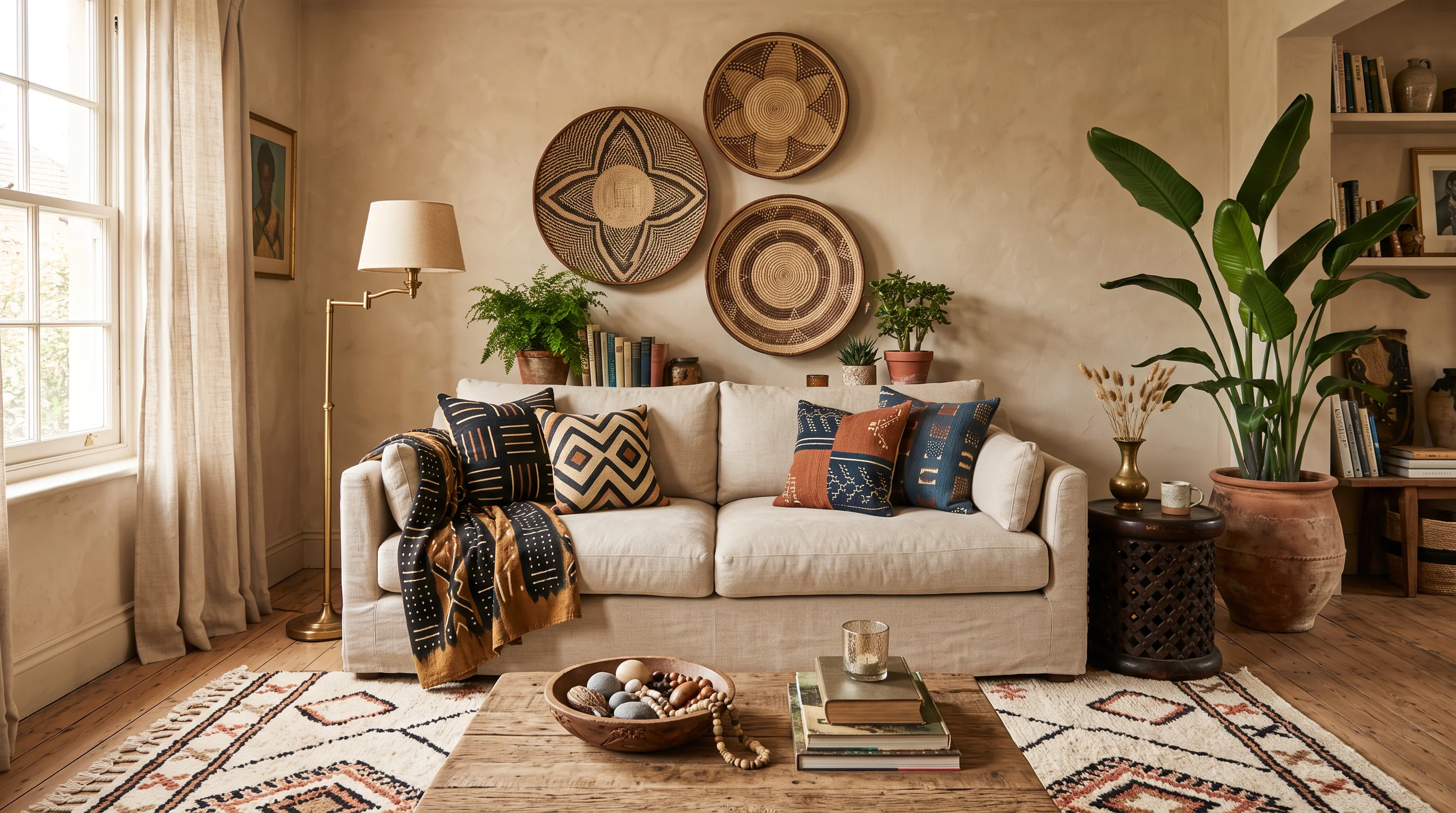
The living room is the showcase. Here is how to build the layers:
Start with the rug. A Berbere or kilim-style rug in warm earth tones sets the palette for the entire room. Layer a smaller woven accent rug on top if the space allows.
Anchor the seating. A linen or cotton sofa in warm cream or oatmeal, then pile on mudcloth and Kuba cloth cushions. Mix two pattern families maximum to avoid visual competition.
Build a basket wall. Hang five to seven handwoven baskets in graduated sizes on one focal wall. This is cheaper than art, deeply textural, and quintessentially Afrohemian.
Add sculptural wood. A hand-carved stool as a side table, a chunky wooden bowl on the coffee table, or a carved mask piece above a console. These are the "stories" in the room.
Greenery. Large-scale tropical plants in terracotta pots — a bird of paradise, a monstera, or a rubber tree. The green against the earth palette is the final layer.
Lighting. Rattan or woven pendant lights (searches up 50%) cast warm, patterned shadows. Pair with warm 2700K bulbs for the golden-hour feel.
Afrohemian Bedroom Ideas
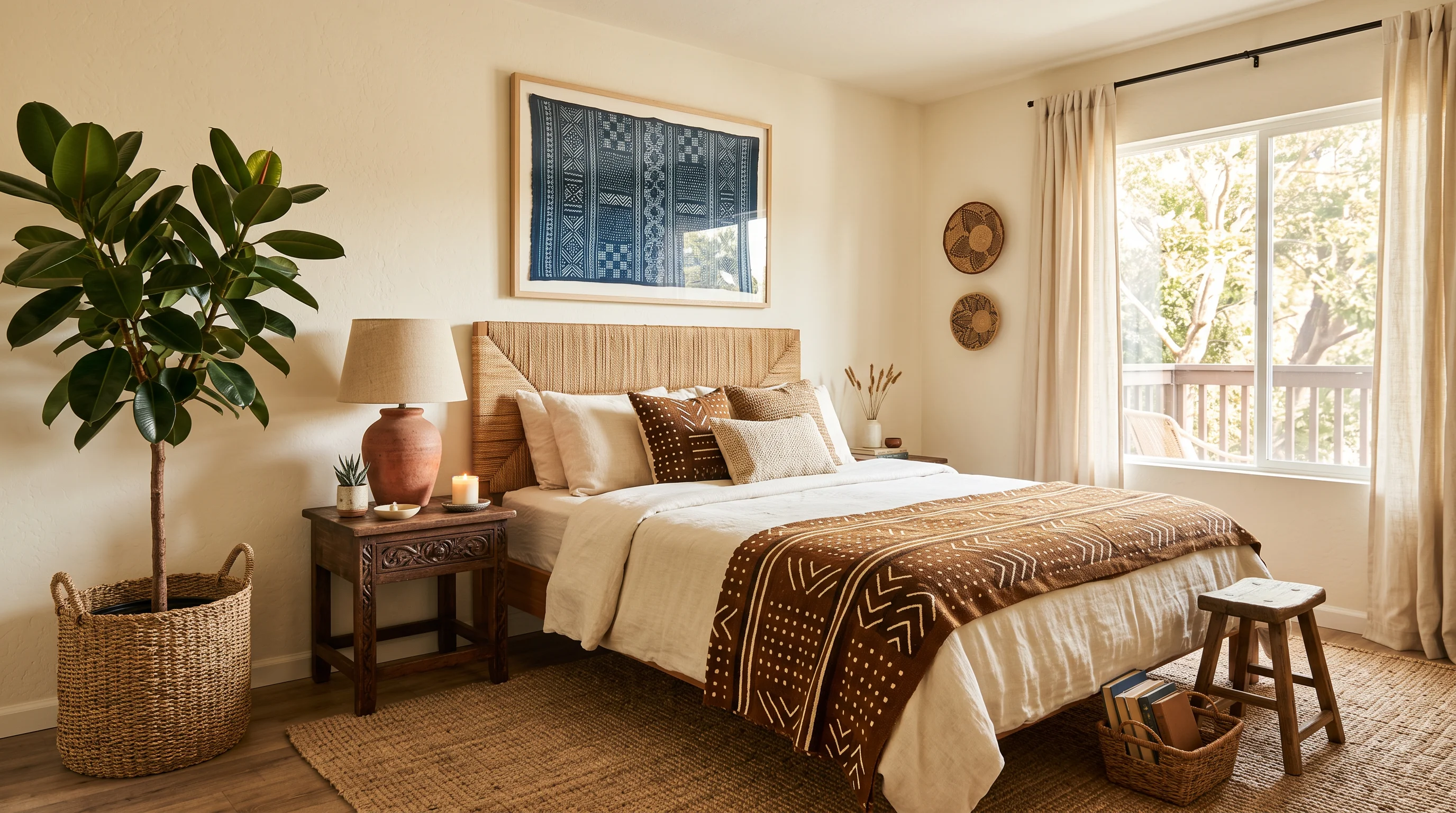
The bedroom is where Afrohemian's "sanctuary" quality shines.
Bedding. Mudcloth or Kuba cloth throw across the foot of the bed, over linen sheets in warm cream. The contrast between the geometric pattern and the soft neutral creates visual interest without overstimulation.
Headboard. A woven rattan or cane headboard reads warm and handmade. For a bolder statement, hang a large-format textile — a framed mudcloth panel or a woven wall hanging — behind the bed in place of a traditional headboard.
Nightstands. A hand-carved wooden stool on one side and a rattan side table on the other. The mismatch is intentional and echoes the "collected over time" philosophy.
Accessories. Ethiopian art (up 50% on Pinterest) on the walls, a terracotta or carved wooden lamp on the nightstand, and a single indoor plant in a woven basket planter.
Walls. Keep walls warm cream or use a lime-wash finish for subtle tonal variation. The textiles provide enough visual complexity — the walls should breathe.
How to Get the Look Without Overdoing It
The biggest mistake is treating Afrohemian as "more is more." It is "more meaning is more."
The 3-piece rule. Start with three intentional additions to any room: one anchor textile, one sculptural wood piece, and one set of woven baskets. That is enough to shift the entire feel without a renovation.
Source thoughtfully. Buy from artisan marketplaces and fair-trade retailers where possible. The whole point of the style is celebrating craft traditions — fast-fashion knockoffs undermine the narrative. Look for pieces with provenance stories.
Let it evolve. Afrohemian rooms are not finished in a weekend. They are layered over time, which is exactly why the style ages so well. Start with the anchor pieces and add as you discover objects that speak to you.
Budget entry points. A mudcloth throw ($30–60), three woven baskets for a wall arrangement ($40–80), and a set of terracotta pots for plants ($20–40). Under $150 total for a visible transformation.
Preview Afrohemian in Your Own Room
The best way to know if this style fits your space is to see it before you commit. Upload a photo of your current room, choose warm earth tones and natural materials, and preview an Afrohemian transformation in seconds.
FAQ
Is Afrohemian the same as bohemian?
No. Bohemian is a broad, eclectic approach with no specific cultural anchor. Afrohemian draws specifically from West and Central African craft traditions — mudcloth, Kuba cloth, adire, hand-carved wood — and blends them with bohemian layering techniques. The result is more grounded, more intentional, and culturally specific.
What colors work for Afrohemian decor?
Earth tones form the foundation: ochre, sand, clay, terracotta, warm cream. Rich accents come from indigo, deep brown, rust, and olive. Black provides contrast through iron hardware, dark wood, or bold pattern outlines. Avoid cool grays and pastels — they undermine the warmth.
Can I mix Afrohemian with other styles?
Absolutely. Afrohemian pairs naturally with organic modern (shared love of natural materials and earthy palettes), warm minimalism (the neutral base overlaps), and Mediterranean design (terracotta and warmth in common). The key is maintaining the earthy palette as the connective tissue.
Where can I buy authentic Afrohemian textiles?
Look for artisan marketplaces like Etsy sellers specializing in African textiles, fair-trade retailers, and direct-from-origin shops. Seek out mudcloth from Mali, adire from Nigeria, and Kuba cloth from the DRC. Apartment Therapy's expert guide recommends choosing pieces that show the maker's hand — imperfections are features, not defects.
Is Afrohemian a passing trend?
Pinterest Predicts has an 80% accuracy rate for its annual forecasts, and the cultural forces behind Afrohemian — the desire for authenticity, heritage, and handcrafted materiality — are long-term shifts, not seasonal fads. The style's foundation in centuries-old craft traditions gives it staying power that purely aesthetic trends lack.
Ready to Transform Your Space?
Try AI room redesign for free - no credit card required.
Start Designing FreeRelated reading
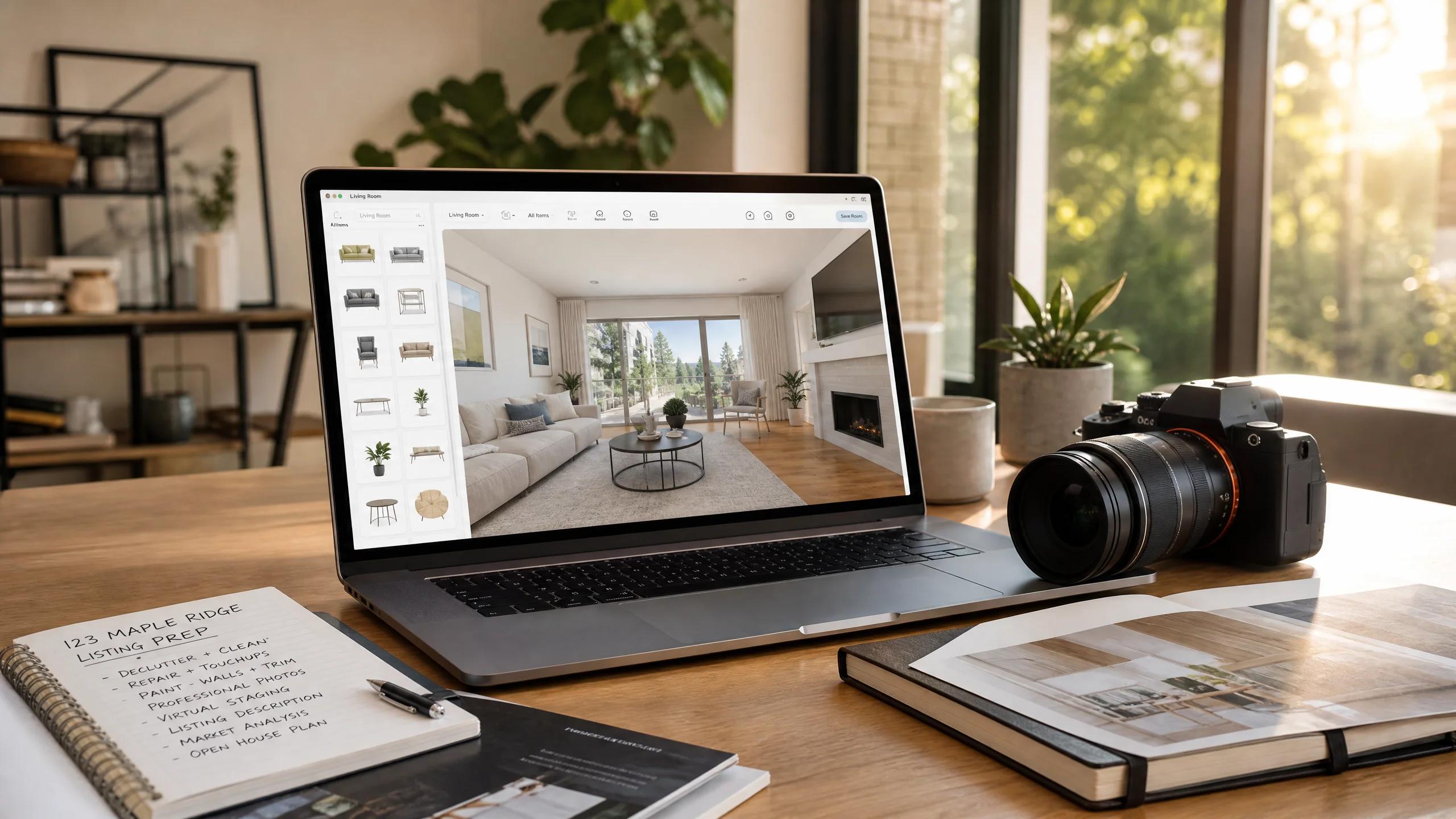
DIY Virtual Staging Software: How to Stage Listings Yourself in 2026 (Tools, Costs & Step-by-Step Guide)
Stop paying $24–$35 per photo to outsourcing agencies. Compare the top DIY virtual staging software in 2026, master the 5-step realtor staging workflow, and avoid costly MLS disclosure and perspective mistakes.
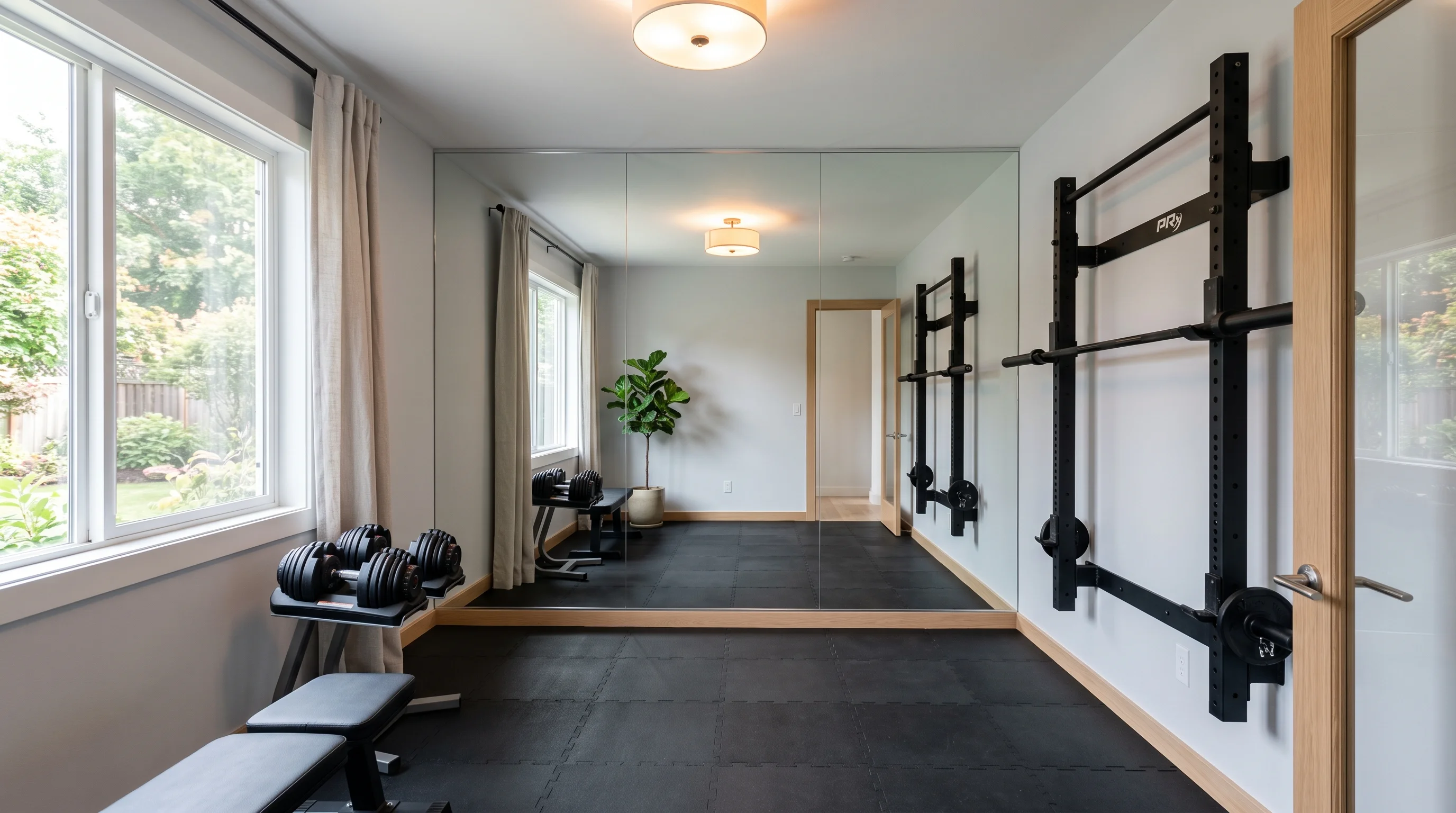
Small Home Gym Ideas 2026: How to Fit a Serious Gym in Under 100 Sq Ft
Discover clever small home gym layout ideas for 50 to 100 sq ft. Learn how to combine folding wall-mounted racks, selectorized dumbbells, vertical storage, and dual-purpose office zoning to build a studio-grade gym without sacrificing square footage.
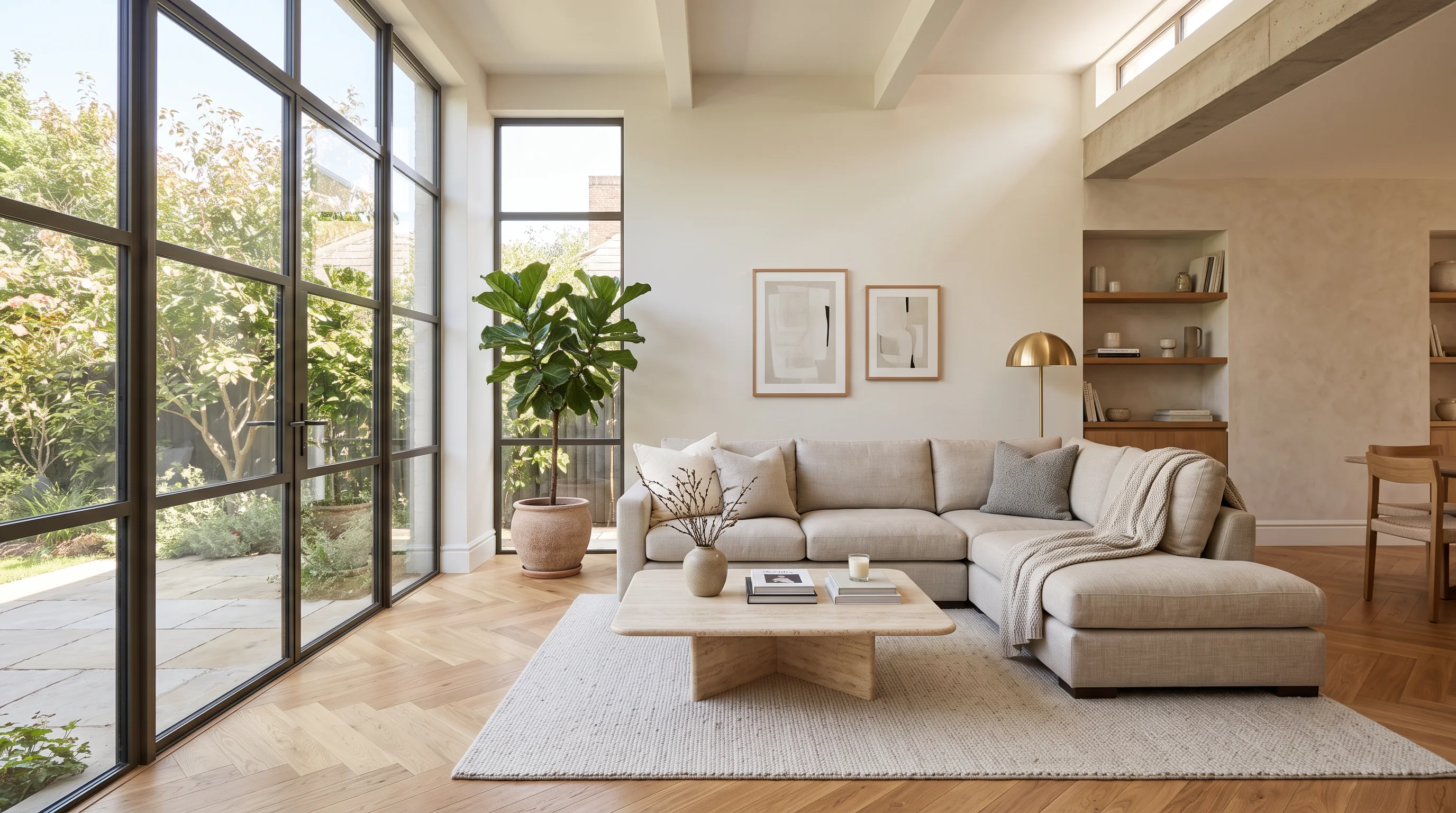
Floor Virtual Staging: How to Replace Flooring in Real Estate Photos – Without Renovating (2026 Guide)
Discover how AI floor virtual staging replaces worn carpet and dated vinyl with luxury white oak hardwood in seconds. Recover 147% resale ROI while staying 100% MLS compliant.