Mediterranean Interior Design in 2026: The 'Refined' Version Designers Are Embracing Now
Forget blue-and-white clichés. The 'Refined Mediterranean' look designers named a leading 2026 trend swaps nautical kitsch for limewash, terracotta and handmade texture — here is how to get it, room by room.
 Easy Room AI Team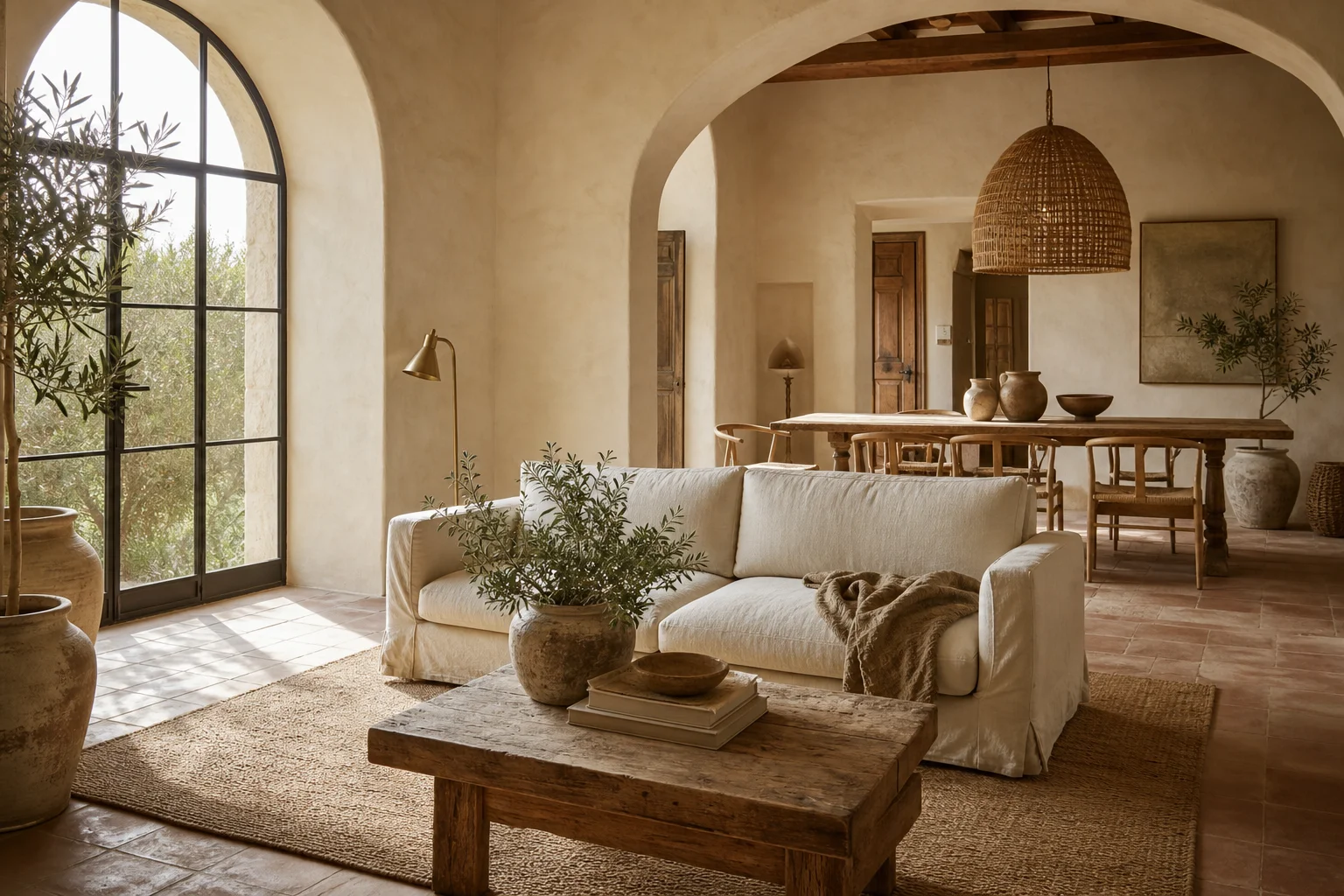
Mediterranean style is having a 2026 moment, but not the version you remember. The blue-and-white pottery, fishing nets, and faux-Tuscan murals of the 1990s are gone. In their place is what designers are calling "Refined Mediterranean" — and it was named one of the leading global design directions of 2026 by the 1stDibs Designer Trends Report, alongside forecasts from Engel & Völkers and Decorilla.
The shift is from theme to mood. As designer Jay Jeffers describes the modern look, it is "sun-washed tones, plaster walls, ornate metalwork, but with a more grounded, earthy direction — not about adopting a look, but embracing a slower, more rooted way of living." This guide breaks down the materials, the palette, and the room-by-room playbook to get authentic Mediterranean style — without it tipping into kitsch.
In this guide you will learn:
- What separates "Refined Mediterranean" from the dated 1990s version
- The five materials that define the look
- The earthy, sun-faded palette to build around
- How to bring it into the living room, kitchen, and bedroom
- How to preview the whole style on your own room before you spend a thing
What "Refined Mediterranean" actually means in 2026
The defining idea is material honesty over decoration. Where the old Mediterranean leaned on obvious references — nautical stripes, seashells, heavy gold beams — the refined version distills the region's soul through texture, warmth, and craftsmanship instead.
Designer Aurélie Brelivet of Studio Lio coined the term for her renovated Victorian London townhouse, layering reclaimed wood, linen, limewash, and handcrafted ceramics for a sun-baked feel in a city home. The takeaway: this is a mindset, not a postcode. You do not need a villa over the Aegean — you need to value the handmade and the imperfect.
The 5 materials that define the look
Mediterranean style is built from its surfaces up, not decorated on top. Get these five right and the rest follows:
- Limewash or plaster walls — the matte, cloudy depth that catches light is the single most important move. It is the same family as textured walls, and it instantly reads "old-world" without any pattern.
- Terracotta — on floors or walls, slightly irregular in tone, bringing warmth and rhythm.
- Natural stone — travertine, limestone, and unpolished marble for counters, sinks, and thresholds.
- Reclaimed and unmatched wood — exposed beams, a worn dining table, mixed-era pieces rather than matching sets.
- Woven natural fibre — rattan, jute, and linen soften the hard surfaces and carry the indoor-outdoor feel.
The rule that ties them together: celebrate small imperfections instead of correcting them.
Preview Coastal in Your Space
Upload a photo of your space to test Coastal instantly with AI — 100% free.
Supports JPG, PNG, WebP up to 10MB
The Refined Mediterranean palette
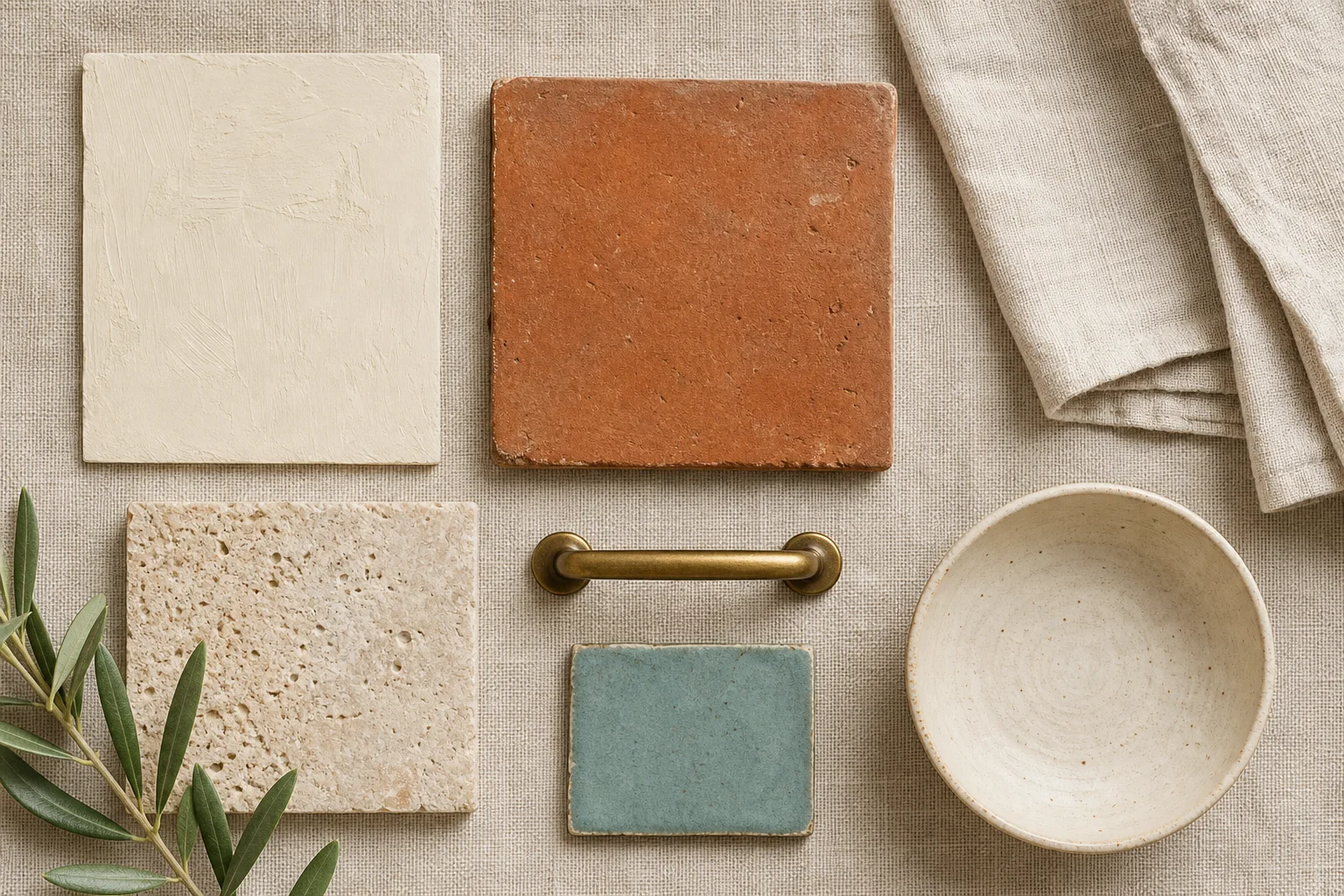
The colors are sun-faded, not saturated: cream, sand, warm white, terracotta, and olive, grounded by warm browns. This sits squarely inside the warm, earthy direction of the 2026 interior color trends, which is exactly why the style feels current rather than retro.
When blue appears, it is Aegean blue — that grey-blue-green between sea and sky — used on joinery and in shadow, never as a bright primary. It pairs with aged brass and rough plaster rather than crisp white. For a confident, enveloping version, color drenching a room in a single earthy tone is the most modern way to use this palette.
Refined Mediterranean in the living room
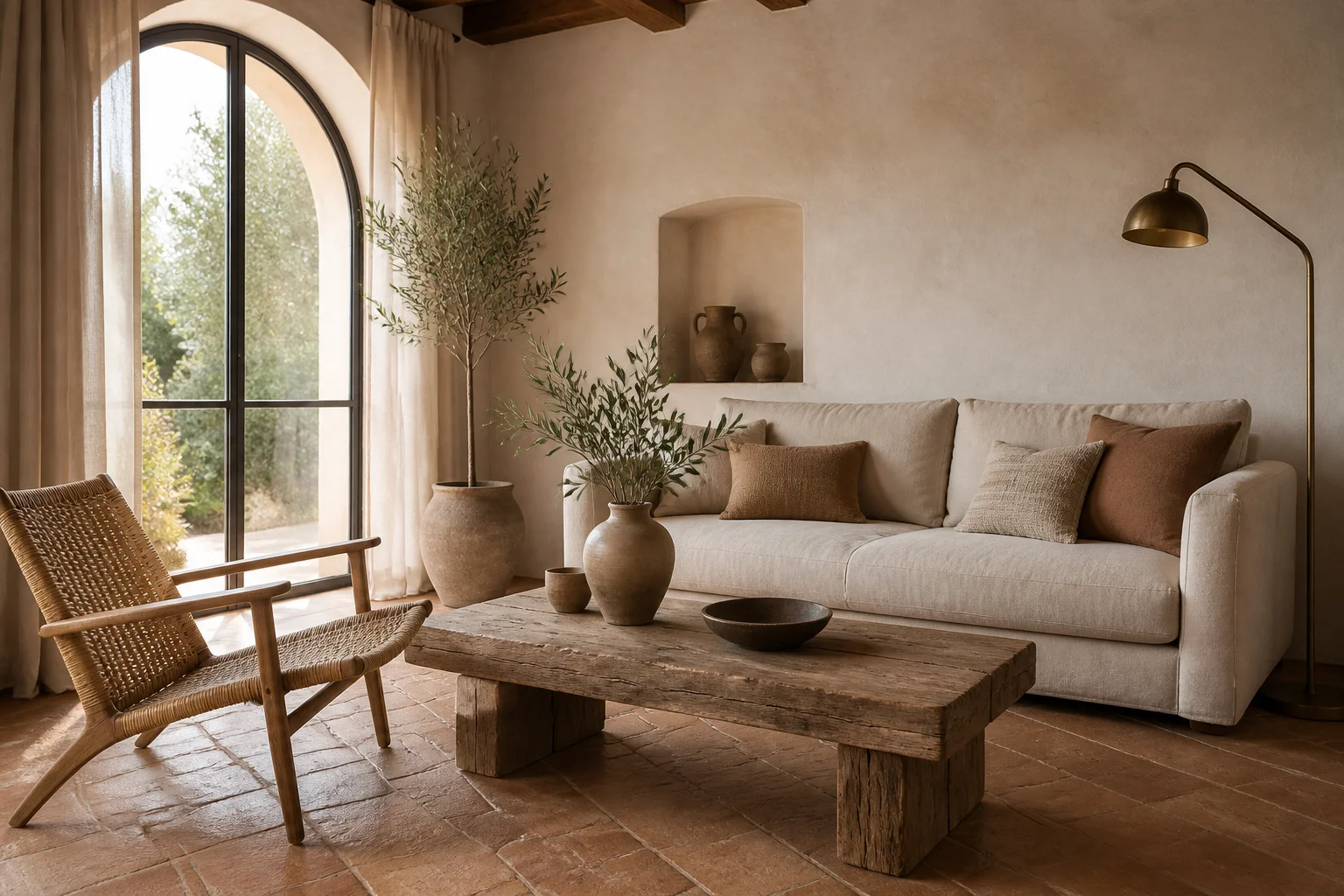
Start with the walls and the light. Limewash in a warm off-white, a low-slung linen sofa, a rattan chair, and an arched opening or window if your architecture allows it. Keep furniture grounded and curved — organic silhouettes over sharp corners — and let one or two handmade ceramic pieces do the talking. This is where Mediterranean overlaps almost perfectly with warm minimalism: few objects, but every one with texture and a story.
Before and after: any room can go Mediterranean
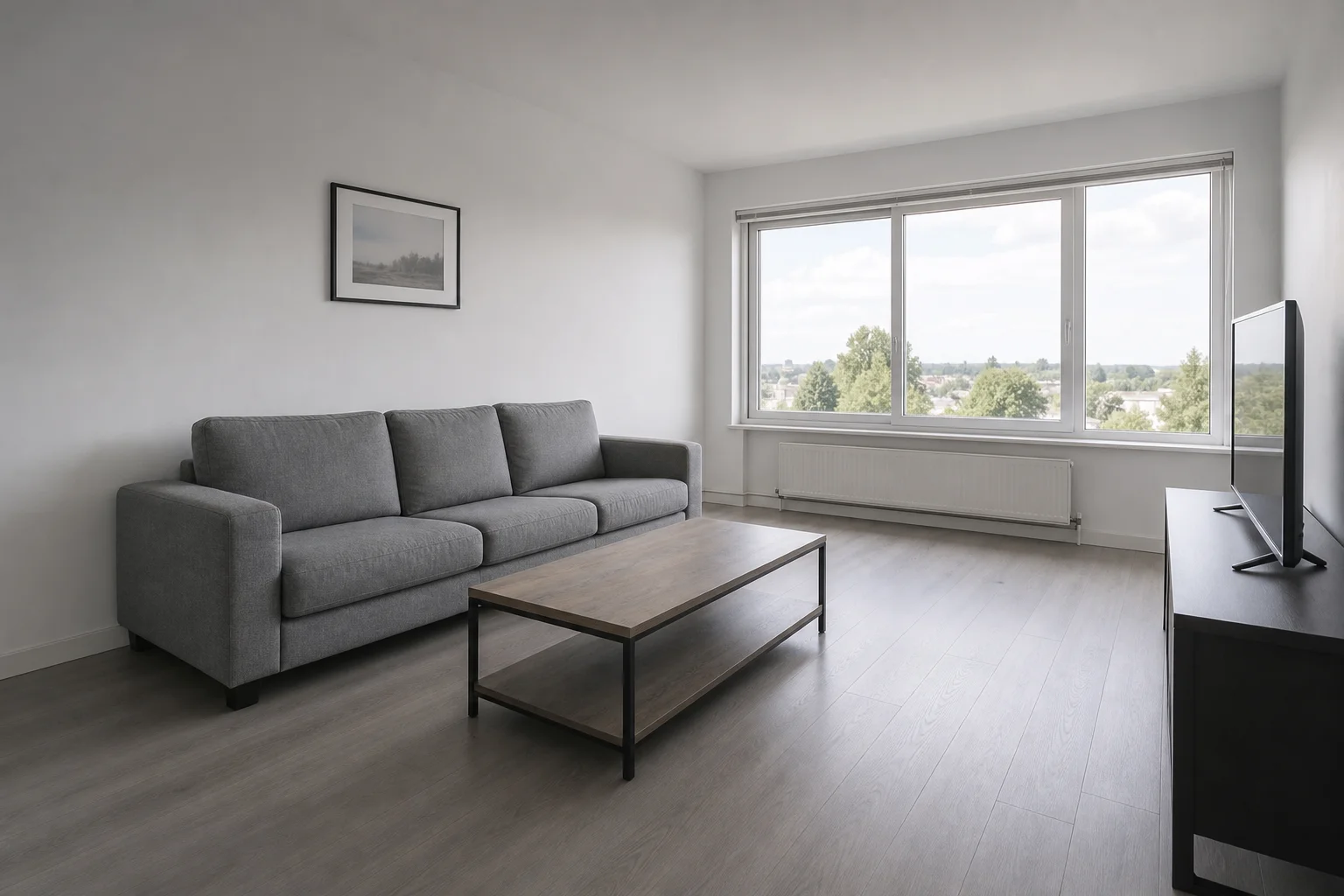
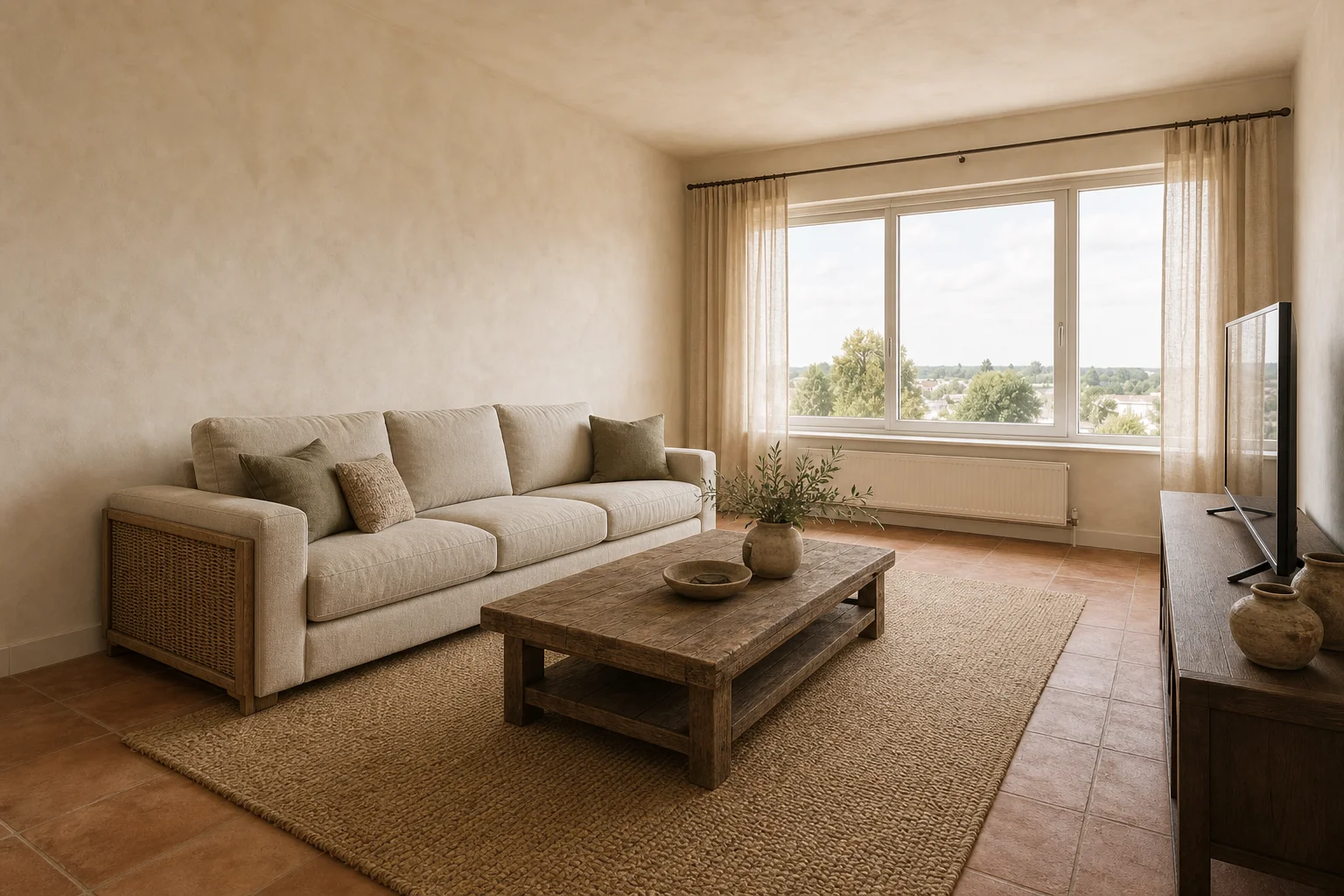
You do not need to renovate to test the look. The same room — same layout, same window, same sofa footprint — transforms with limewash walls, warmer textiles, and natural materials swapped in. Seeing it on your space (not a magazine villa) is the difference between guessing and committing.
In the kitchen and bedroom
- Kitchen: plaster or zellige-tiled walls, a stone or butcher-block counter, open wood shelving, and unlacquered brass. Skip the high-gloss; the Mediterranean kitchen wants patina.
- Bedroom: limewash in a soft terracotta or olive, linen bedding, a woven pendant, and a single piece of aged wood. The goal is a cool, cave-like calm that the southern palette does naturally.
Browse Mediterranean design ideas to see the whole language applied across rooms and 16 layouts.
Preview Mediterranean style in your own room
The biggest risk with Mediterranean is that it tips into theme-park territory — too many references, not enough restraint. The fix is to see it before you buy a single terracotta pot.
Upload a photo of your current room to EasyRoomAI and regenerate it in Mediterranean style — limewash walls, linen, terracotta, the lot — to find the balance that suits your real space and light.
- Try a free room redesign — anonymous previews are free, no signup needed.
- Explore the full Mediterranean ideas hub, or browse living room ideas and bedroom ideas.
Frequently asked questions
Is Mediterranean interior design still in style in 2026? Yes — more than ever. Multiple 2026 design forecasts (1stDibs, Engel & Völkers, Decorilla) name Mediterranean style as one of the leading design directions, and it pairs naturally with the year's warm minimalism and visible-craftsmanship trends.
What is "Refined Mediterranean"? It is the 2026 evolution of the style: stripped of 1990s clichés like nautical themes and faux-Tuscan murals, and rebuilt around material honesty — limewash, terracotta, natural stone, reclaimed wood, and handmade ceramics in an earthy, sun-faded palette.
What colors are used in Mediterranean design? Cream, sand, warm white, terracotta, and olive, grounded by warm browns. Blue appears as a muted, sun-faded Aegean blue-green on joinery and accents — never as a bright primary against crisp white.
What materials make a room look Mediterranean? Limewash or plaster walls, terracotta floors or tile, natural stone, reclaimed wood, and woven natural fibres like rattan, jute, and linen. Aged brass is the metal of choice.
How do I get the Mediterranean look without renovating? Start with paint texture (limewash or a plaster-effect finish), then layer in linen, rattan, and a few handmade ceramic pieces. Preview the full effect on a photo of your own room with EasyRoomAI before committing to bigger changes like flooring.
Refined Mediterranean is less a trend than a way of living slowly — warm, tactile, and built to age well. Start with the walls and one honest material, preview it on your own room, and let the imperfect, sun-worn beauty do the rest.
Ready to Transform Your Space?
Try AI room redesign for free - no credit card required.
Start Designing FreeRelated reading

DIY Virtual Staging Software: How to Stage Listings Yourself in 2026 (Tools, Costs & Step-by-Step Guide)
Stop paying $24–$35 per photo to outsourcing agencies. Compare the top DIY virtual staging software in 2026, master the 5-step realtor staging workflow, and avoid costly MLS disclosure and perspective mistakes.
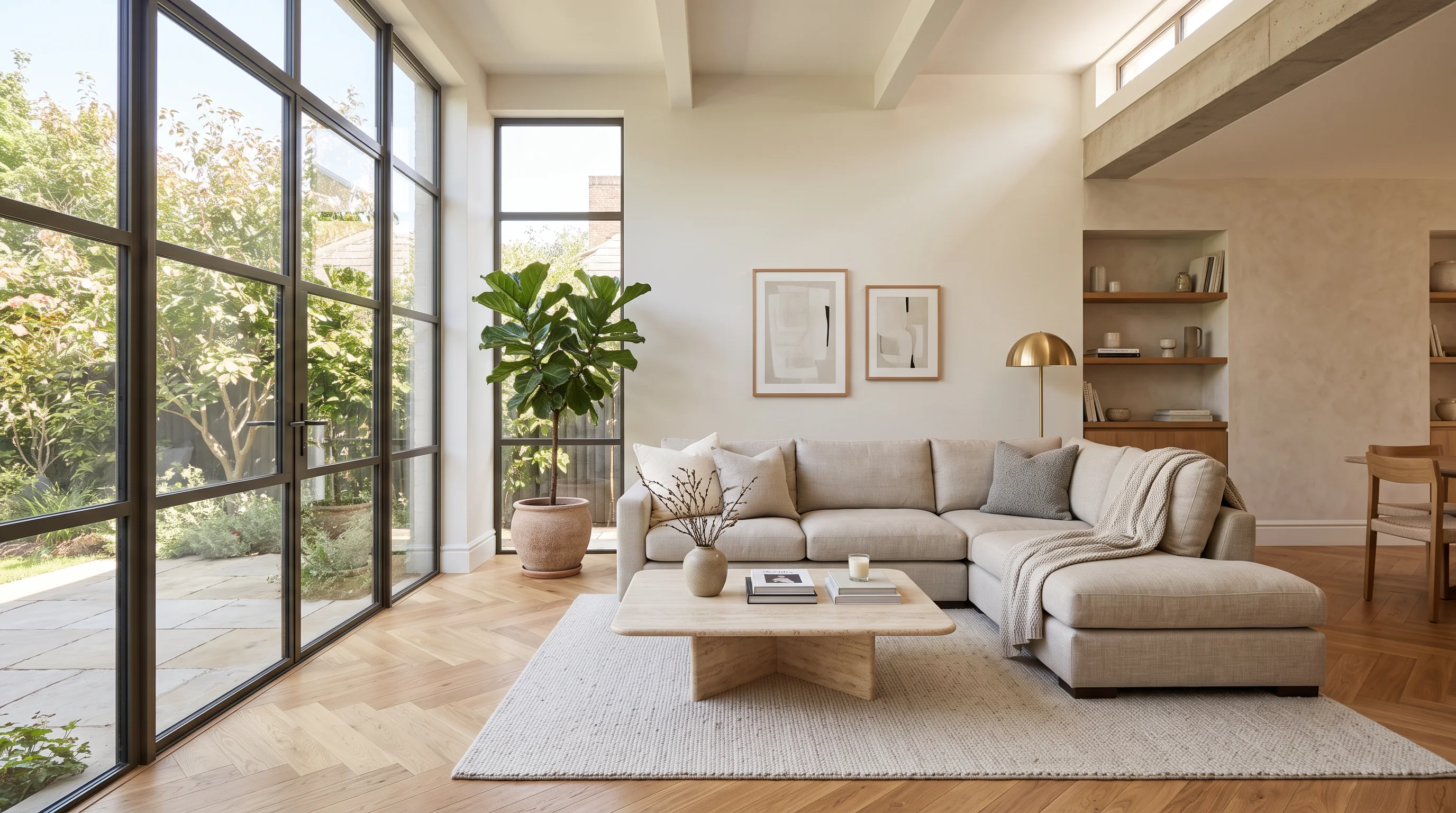
Floor Virtual Staging: How to Replace Flooring in Real Estate Photos – Without Renovating (2026 Guide)
Discover how AI floor virtual staging replaces worn carpet and dated vinyl with luxury white oak hardwood in seconds. Recover 147% resale ROI while staying 100% MLS compliant.
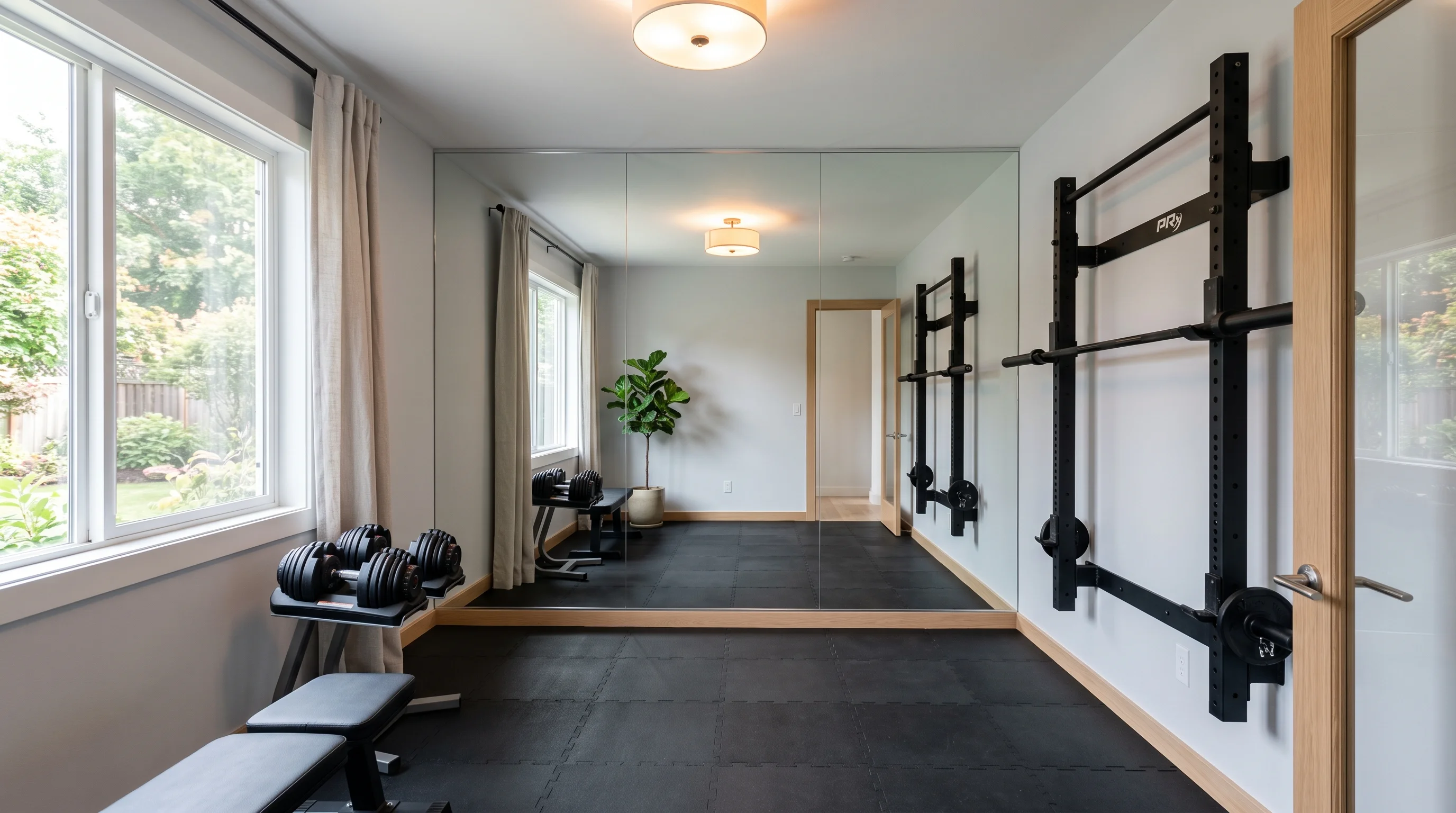
Small Home Gym Ideas 2026: How to Fit a Serious Gym in Under 100 Sq Ft
Discover clever small home gym layout ideas for 50 to 100 sq ft. Learn how to combine folding wall-mounted racks, selectorized dumbbells, vertical storage, and dual-purpose office zoning to build a studio-grade gym without sacrificing square footage.