Home Gym Design Ideas 2026: Fit a Real Gym in 50–70 sq ft
Turn a spare room, garage, or basement into a functional home gym. Proven layouts for 50–200 sq ft, flooring picks, mirror placement & recovery zone ideas.
 Easy Room AI Team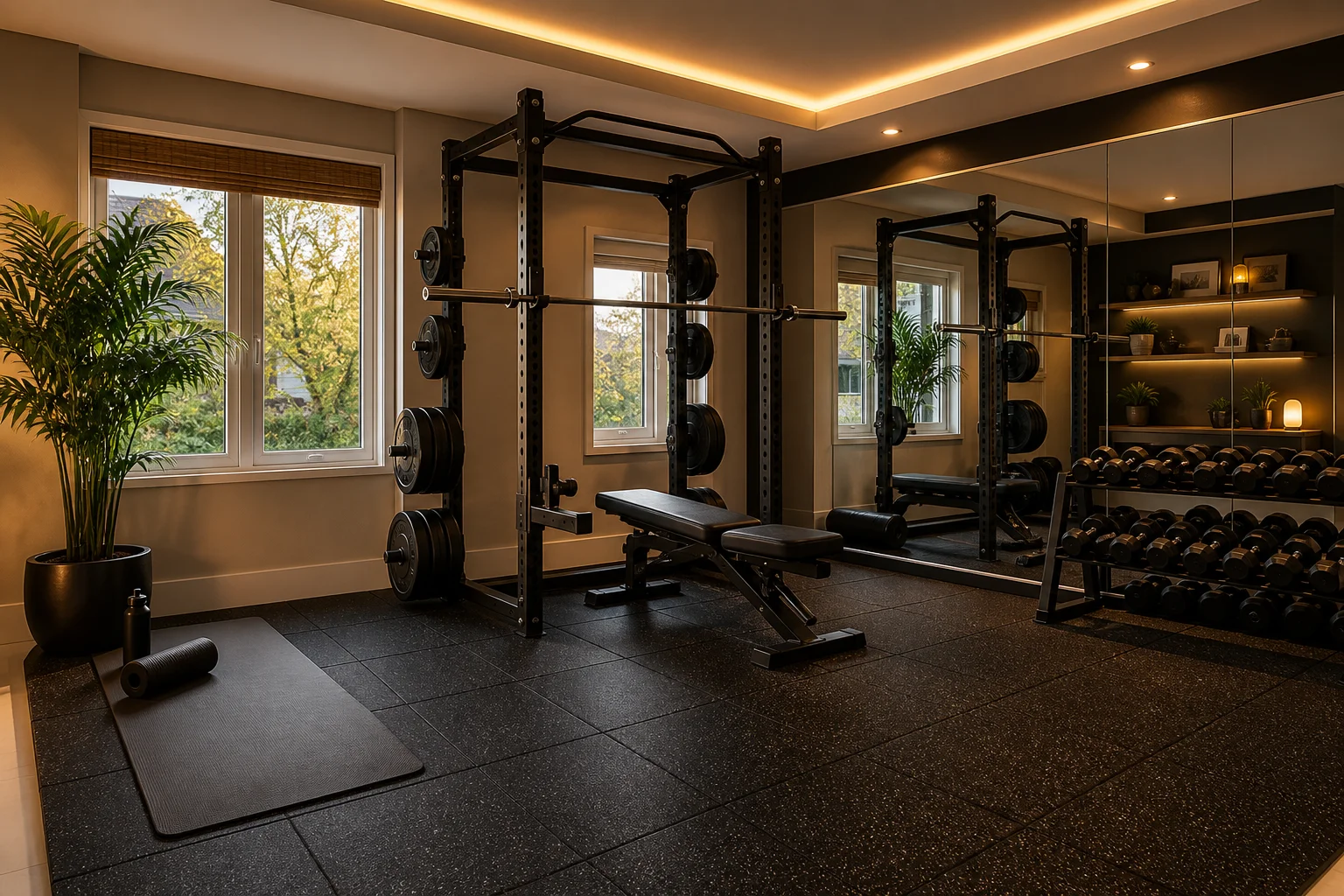
The home gym graduated from a treadmill shoved in the garage to a designed room with a job. In 2026, fitness and wellness are merging — the spaces homeowners are building blend a strength zone with a recovery corner, warm light, and even plants, less rec-room and more private studio.
The good news: you do not need a spare double garage. A fully functional home gym fits in as little as 50–70 square feet — a 7 × 8 spare room or a large walk-in closet. This guide covers the layout, flooring, mirrors, and lighting that make one actually get used.
In this guide you will learn:
- Why the home gym is a 2026 purposeful-space trend
- How to size and zone the space before buying equipment
- The flooring decision that matters most
- Mirrors and lighting done right
- Small-room, basement, and garage setups
- How to preview your gym before you clear the room
Why home gyms are a 2026 design project
A room with a single, named purpose gets used — the same logic driving libraries, game rooms, and other purposeful spaces this year. The 2026 twist is wellness: the best home gyms now include a recovery or mobility zone alongside the weights, and lean on warm materials, biophilic touches, and good light to feel like a sanctuary rather than a basement penalty box.
That shift matters for design, because it means the room has to look good, not just function. The days of the bare concrete cell are over.
Size and zone it before you buy anything
The classic mistake is buying a rack first and discovering there is no room to use it. Work from zones, not equipment:
Zone 1: Strength. A rack or cage, barbell, dumbbells, and a bench against a structural wall. This zone needs the most overhead clearance — measure ceiling height before shopping for a rack.
Zone 2: Cardio / functional. Open floor for a bike, rower, or bodyweight work. Needs clear space, not much else — keep the center of the room free.
Zone 3: Mobility / recovery. A mat, a mirror, and calm — for stretching, yoga, and the downshift. Position this away from the heavy equipment, ideally by a window if you have one.
Rough footprints from the pros: a complete strength-and-flexibility gym works in 50–70 sq ft; 150–300 sq ft is comfortable for two zones; 300–500 sq ft holds all three. Even a 10 × 10 room works if you are deliberate about the layout.
Redesign Your Home Gym with AI
Upload a photo of your space to test 16 curated design styles instantly with AI — 100% free.
Supports JPG, PNG, WebP up to 10MB
The flooring decision that matters most
Get the floor right and everything else is forgiving. In 2026, dedicated flooring is the single biggest upgrade — carpet and bare hardwood are out as a primary surface.
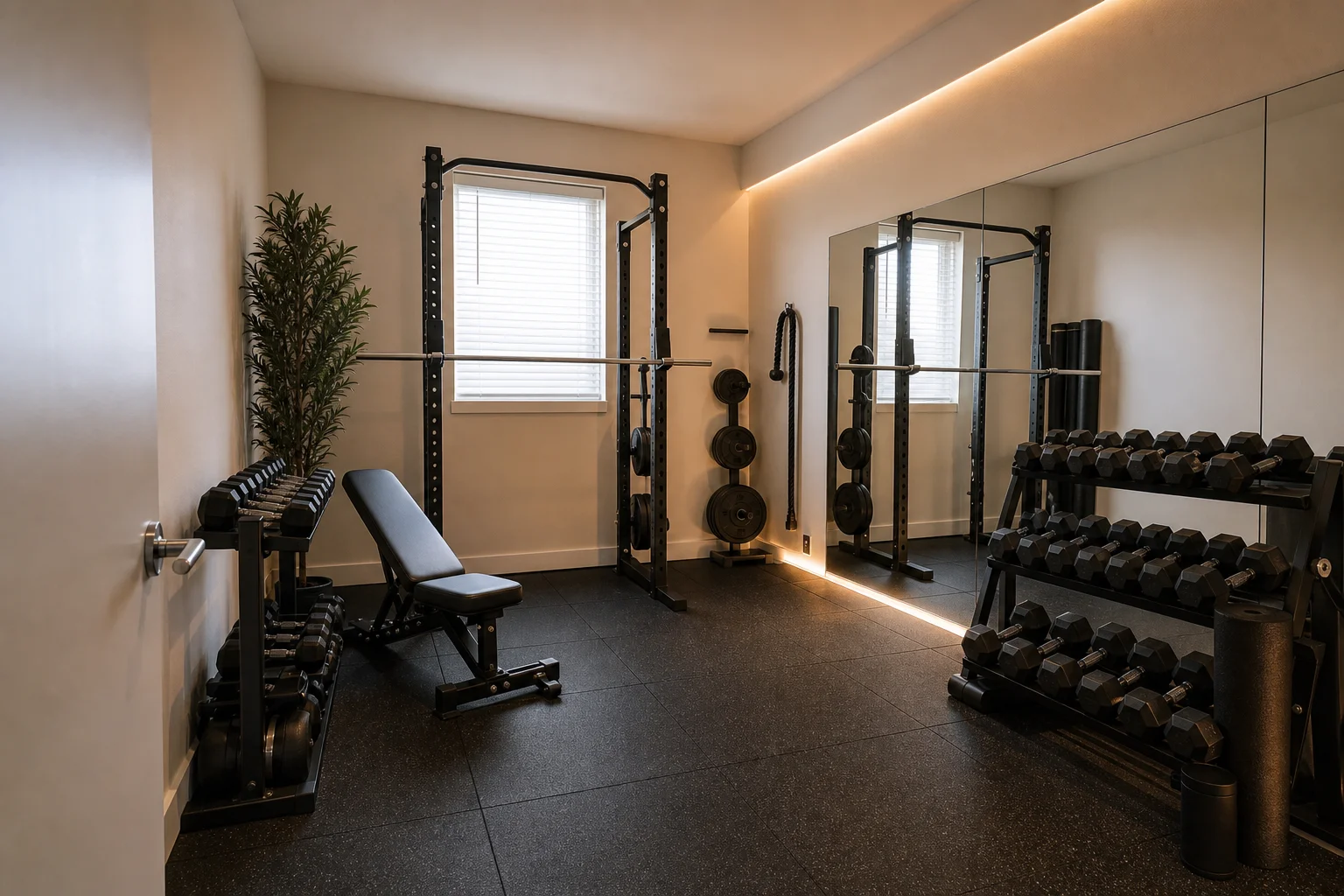
Rubber is the gold standard. Three-quarter-inch rubber tiles cushion joints, grip for lifting, deaden the sound of dropped weights, and protect the subfloor. Tiles lay without adhesive, so you can reconfigure later.
Match the surface to the zone. Rubber under strength and functional work; foam tiles or a dedicated mat for yoga and stretching; LVP or engineered wood under a mindful-movement area. You do not have to cover the whole room — just the active training zone. (To preview how clean rubber tiles or fresh wood look in your space before purchasing, check our floor virtual staging guide).
Train above someone? Double up. A puzzle mat underneath plus rubber on top cuts noise transmission by roughly 60–70% — essential for apartments and second-floor rooms.
Mirrors and lighting done right
Two details separate a real gym from a room with equipment in it:
One full-height mirror wall, not all four. It gives real-time form feedback, bounces light, and makes a small room read far larger. Face it toward your lifting station, mount it at eye height, and go at least 48 inches wide.
Layer the lighting and keep it warm. Brighter, cooler light (4000–5000K) over the active zone for energy, and a warmer 2700–3000K in the recovery corner. Avoid a single harsh overhead fixture — the goal is a studio feel, not a fluorescent box.
Small rooms, basements, and garages
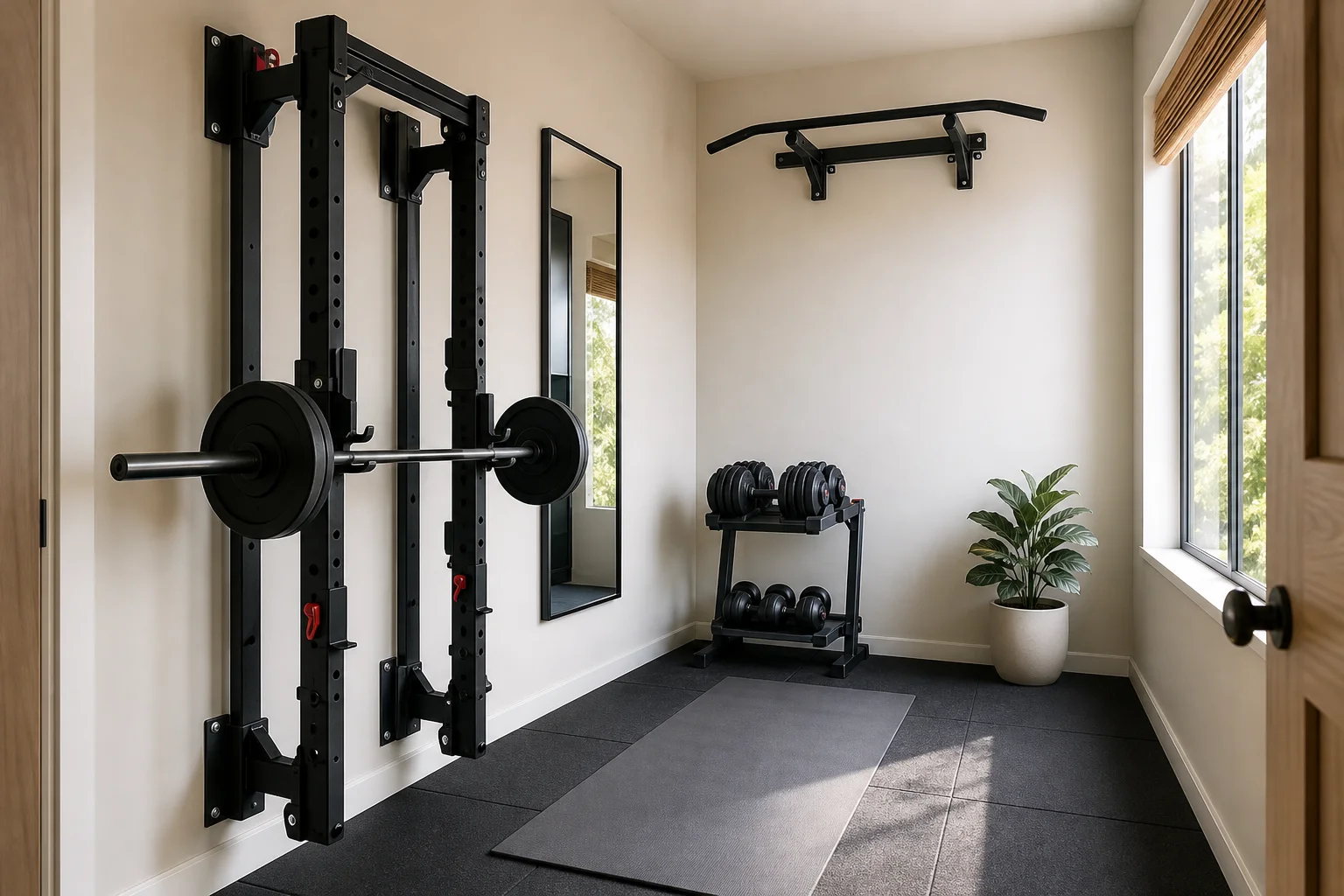
No dedicated room? Each option has a trick:
Small room or closet: go vertical and foldable. A wall-mounted folding rack, adjustable dumbbells, a fold-down bench, and a wall pull-up bar leave the floor clear for movement. The same small-space tricks that make any room feel bigger apply here.
Basement: the natural habitat. Isolated for noise and generous in space. Address moisture first, then layer warm light to replace the missing daylight. Start with our basement design ideas.
Garage: budget for climate. Rubber stiffens in the cold, so a small heater (and ventilation in summer) makes the room usable year-round. A fan and open door in summer, a space heater in winter — small investments that determine whether you actually show up.
Five rules that keep a home gym used
- Zone it, even when it's small. A strength corner and an open movement strip beat a jumbled middle.
- Floor the active zone properly. Rubber where you lift; comfort underfoot where you stretch.
- One mirror wall, eye height, facing the work. Form feedback plus a bigger-feeling room.
- Layer warm, dimmable light. Energy where you train, calm where you recover.
- Hide the clutter. Closed storage and wall racks keep it a studio, not a warehouse.
Preview your home gym before you clear the room
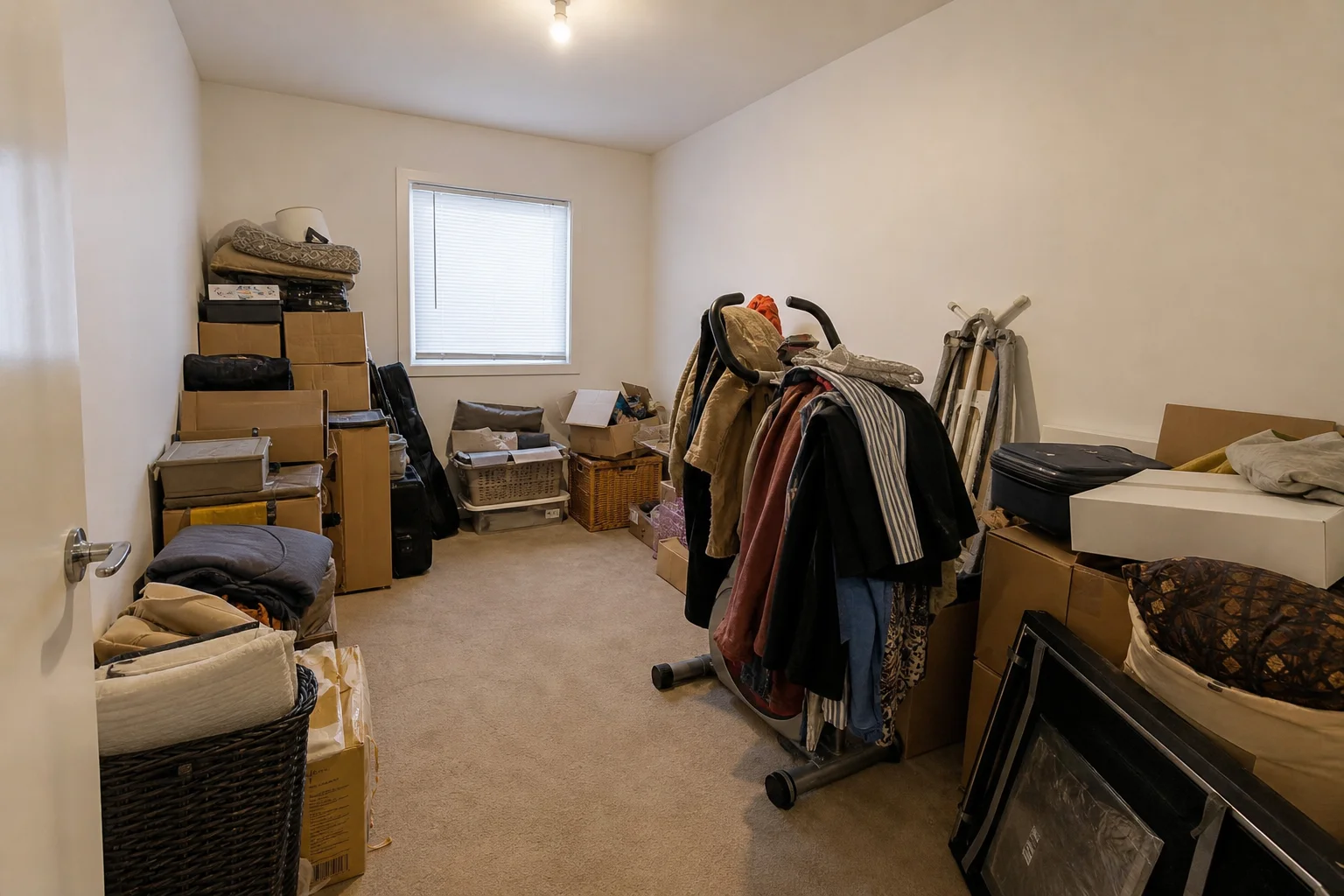
The hardest part is seeing a gym in a room currently full of boxes. Upload a photo of the spare room, basement, or garage to EasyRoomAI and generate a finished, well-lit gym in the same space — layout kept, potential revealed — before you move a single dumbbell.
- Start a free redesign — anonymous previews are free, no signup needed.
- Planning below grade? Browse basement ideas for moisture-smart, light-layered inspiration first.
Frequently asked questions
How much space do I need for a home gym? A complete strength-and-flexibility gym fits in 50–70 square feet — roughly a 7 × 8 spare room or large walk-in closet. 150–300 square feet is comfortable for two zones, and 300–500 square feet holds strength, cardio, and recovery areas. Even a 10 × 10 room works with deliberate zoning.
What flooring is best for a home gym? Three-quarter-inch rubber tiles are the gold standard — they cushion joints, grip for lifting, deaden dropped-weight noise, and protect the subfloor. Use foam tiles or a mat for yoga and stretching, and only floor the active training zone, not the whole room.
How do I soundproof a home gym in an apartment? Double-layer the flooring: a puzzle mat underneath for vibration absorption and rubber on top for impact, which cuts noise transmission by roughly 60–70%. Add a wall rack instead of dropping weights, and avoid heavy barbell drops late at night.
Where should I put the mirror in a home gym? On one full wall, facing your primary lifting station so you can check form — not where it just reflects a blank wall. Mount it at eye height, at least 48 inches wide. A single mirror wall also bounces light and makes a small gym feel much larger.
Can a garage or basement work as a home gym? Yes — both are popular. In a basement, address moisture first and layer warm light to replace daylight. In a garage, budget for a heater (rubber flooring stiffens in cold) and ventilation for summer. Both isolate noise better than a spare bedroom.
Can I preview a home gym design before building it? Yes — upload a photo of the empty room, basement, or garage to EasyRoomAI and generate a finished gym in the same space to test layout, flooring, and lighting before you spend on equipment.
A gym with a named purpose and a planned layout gets used; a treadmill in a cold corner becomes a clothes rack. Zone the space, floor it properly, keep the light warm — then show up.
Ready to Transform Your Space?
Try AI room redesign for free - no credit card required.
Start Designing FreeRelated reading
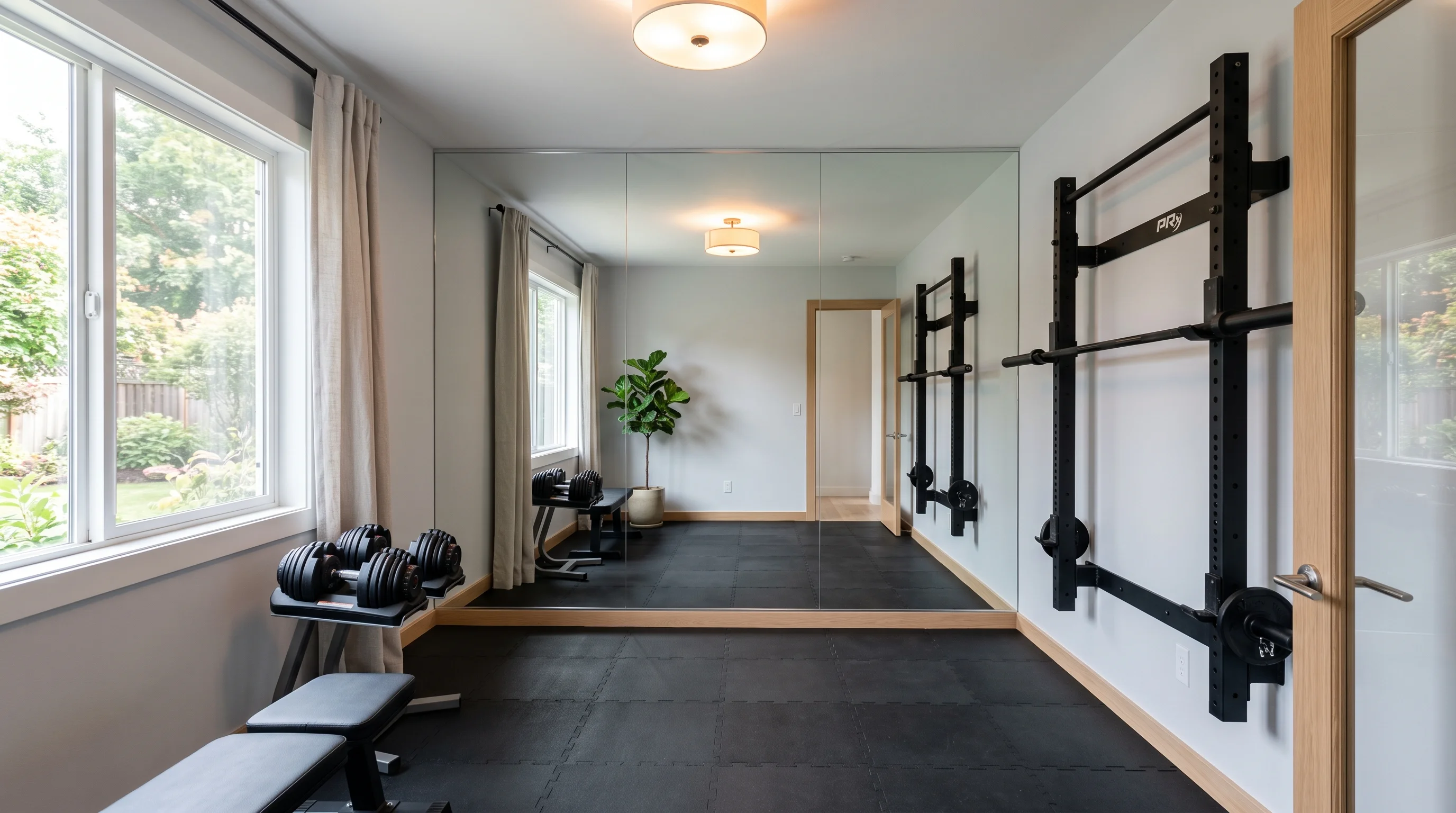
Small Home Gym Ideas 2026: How to Fit a Serious Gym in Under 100 Sq Ft
Discover clever small home gym layout ideas for 50 to 100 sq ft. Learn how to combine folding wall-mounted racks, selectorized dumbbells, vertical storage, and dual-purpose office zoning to build a studio-grade gym without sacrificing square footage.
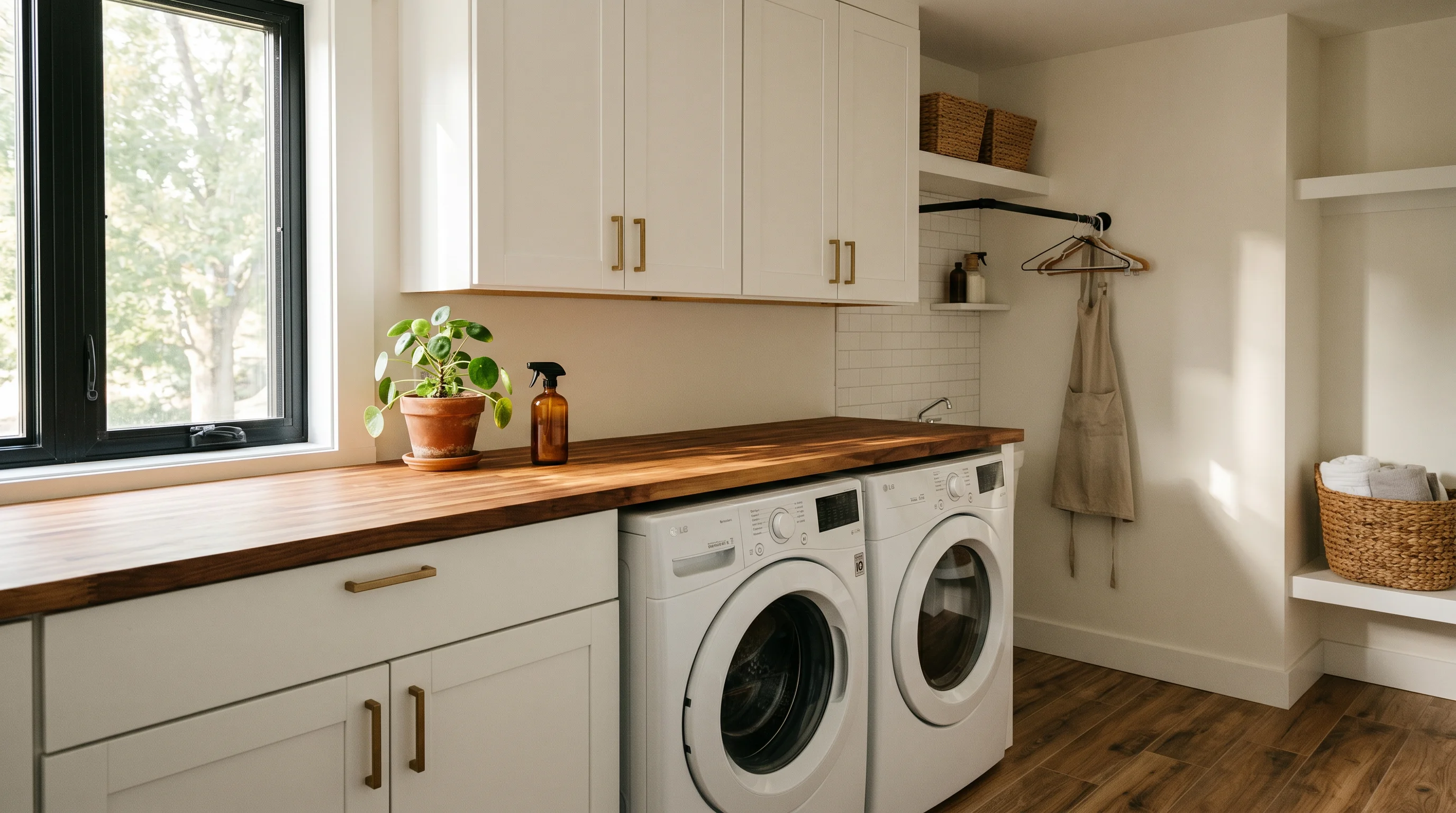
24 Laundry Room Ideas That Make This Hardworking Space Worth Designing (2026)
The laundry room is no longer a room you hide. Here are 24 laundry room ideas for 2026 — smart storage, small closet conversions, wallpaper that works, mudroom combos, and the finishes that turn a utility room into something you actually enjoy walking into.
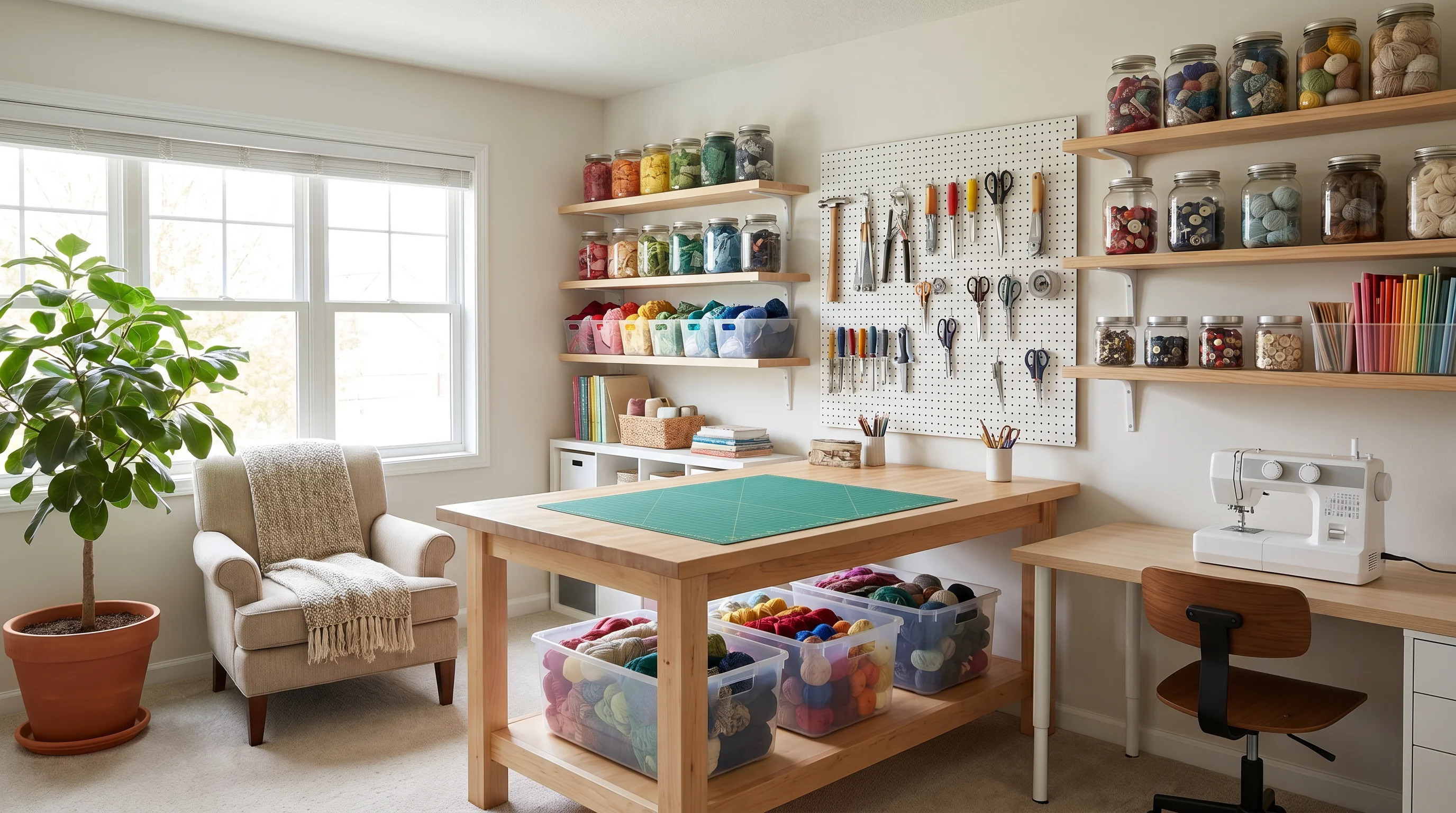
24 Craft Room & Hobby Room Ideas for a Tidy Creative Space (2026)
A good craft room turns 'someday' supplies into an actual practice. Here are 24 craft room and hobby room ideas for 2026 — workflow zones, visible vs hidden storage, small closet-to-craftroom nooks, craft-plus-office and guest combos, color-true task lighting, and pegboard-and-cart systems.