24 Guest Room Ideas (Even If It's Also Your Office or Spare Room) — 2026
Most guest rooms sit empty 350 days a year — so the best ones do double duty. Here are 24 guest room ideas for 2026: hotel-feel basics on a budget, small spare-room layouts, office and hobby dual-use setups, calming palettes, and a 10-minute pre-guest reset.
 Easy Room AI Team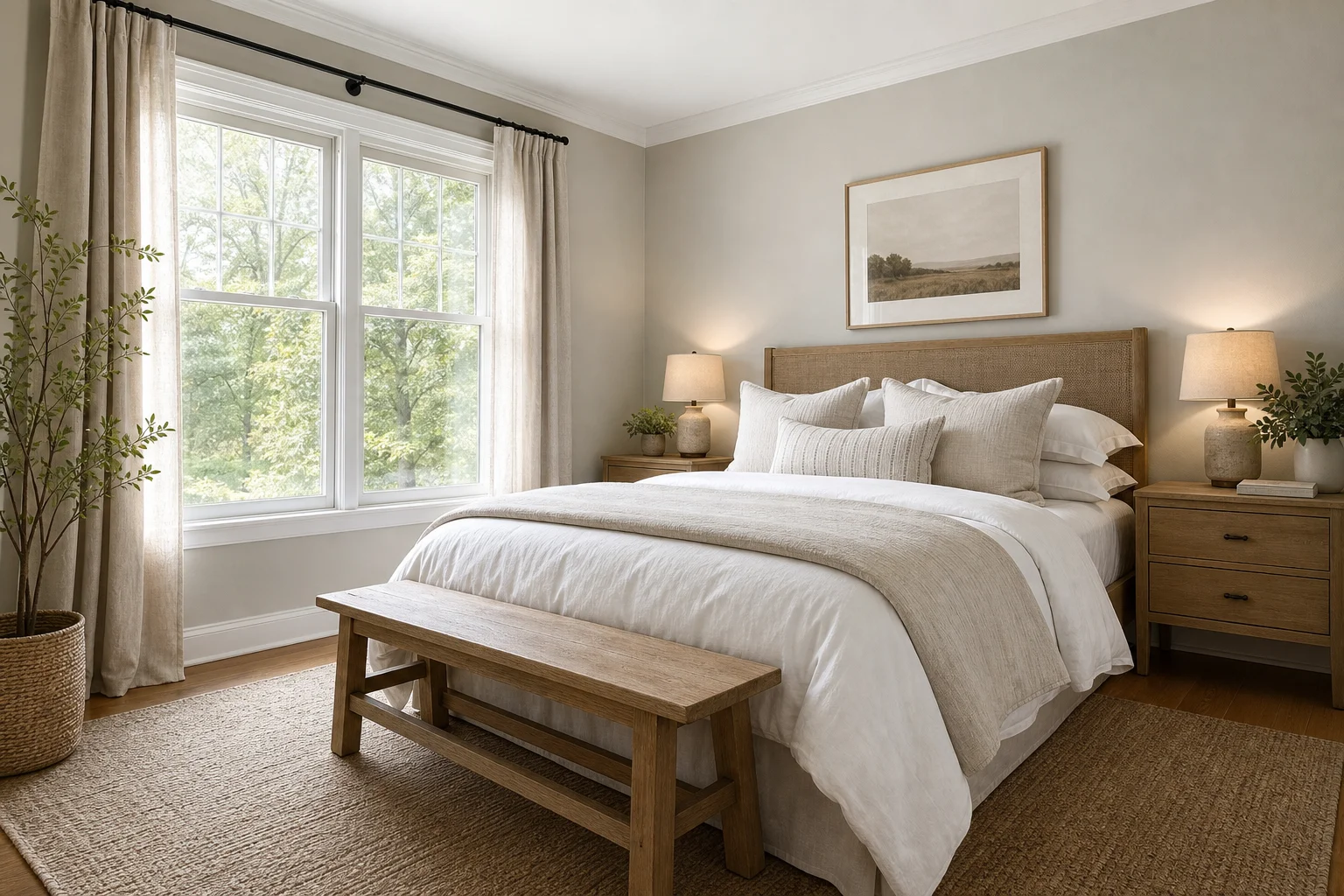
A guest room has a scheduling problem: it needs to feel welcoming when company comes, but it sits empty most of the year. The smartest 2026 guest rooms solve this by doing double duty — working as your office, hobby space, or reading room day to day, then flipping to a comfortable guest suite when someone stays.
You're far from alone in wanting that flexibility. In a Hippo survey of more than 2,000 U.S. homeowners, 90% said flexible, multi-use spaces were important when choosing a home — and a guest room or convertible bedroom topped the list of most-wanted flex spaces (52%), just ahead of a home office (46%). This guide rounds up 24 guest room ideas for 2026, whether you have a dedicated room or a spare corner that has to earn its keep.
In this guide you will learn:
- Hotel-feel basics that cost very little
- Layouts for small spare rooms
- How to combine a guest room with a home office
- Guest room + nursery or hobby dual-use setups
- Calming, guest-ready palettes
- A 10-minute "guest is coming" reset checklist
1. Hotel-feel basics on a budget
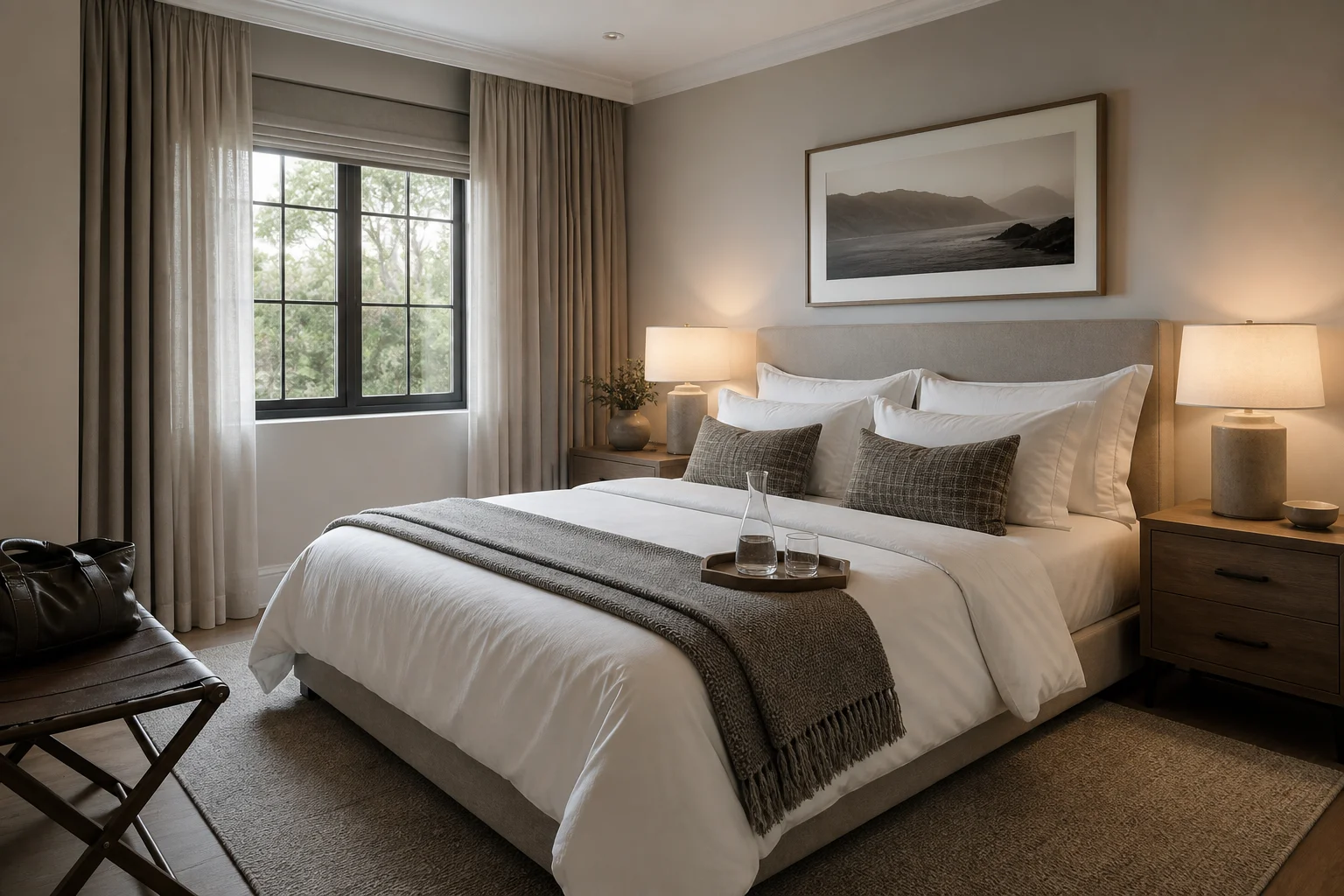
The "hotel feel" guests love comes from a handful of cheap, repeatable touches — not a renovation:
- Layered bedding: crisp white sheets, a duvet, and two pillow types (sleep + decorative). White reads clean and hotel-like, and bleaches easily.
- A clear surface beside the bed for a phone, glasses, and a glass of water.
- A luggage spot: a bench or folding rack so the suitcase isn't on the bed or floor.
- Blackout curtains and a spare blanket within reach.
The takeaway: guests notice comfort, not price tags. Nail sleep, light control, and a place to set things down, and a budget room feels like a suite.
2. Small spare room layouts
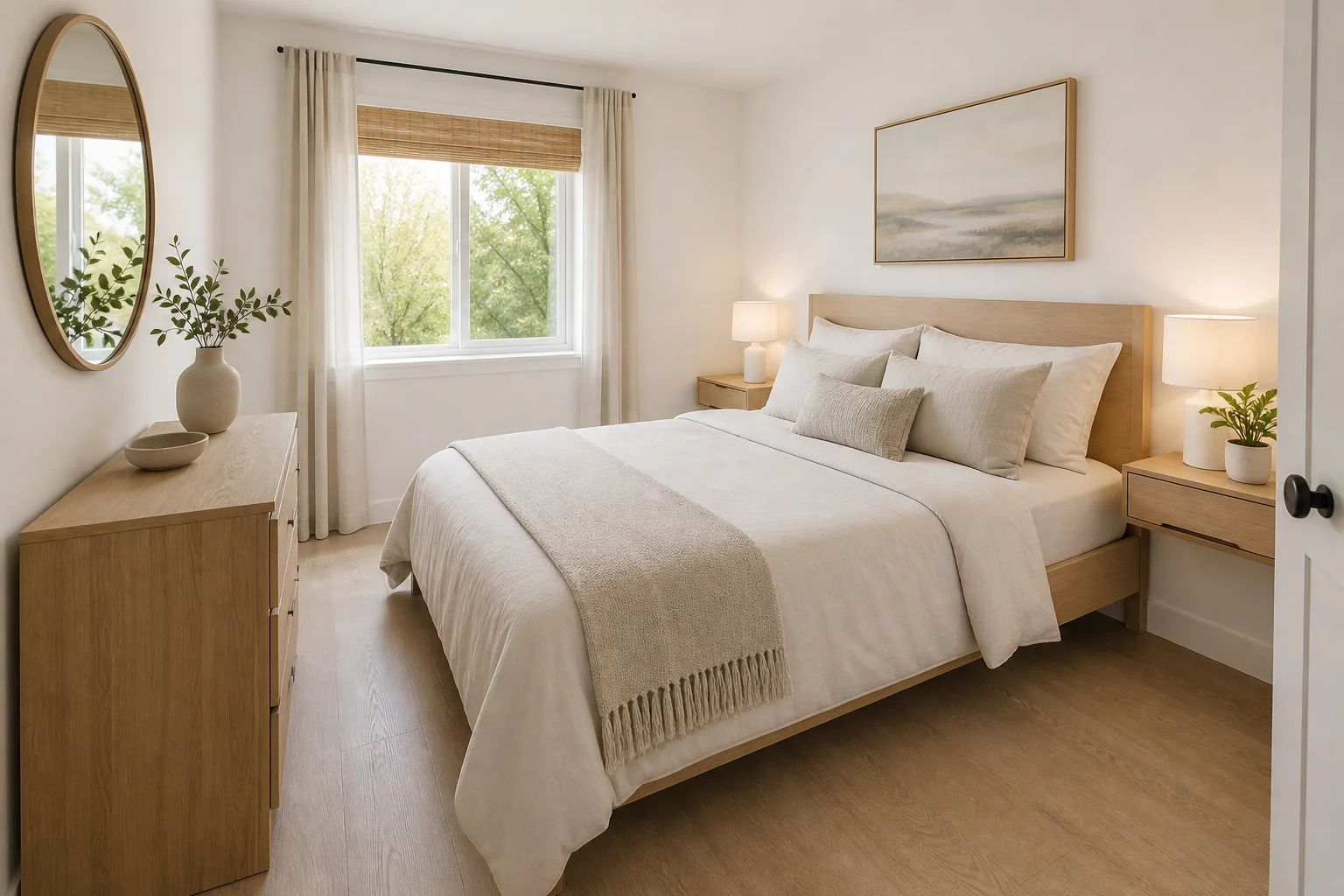
A small spare room works if you let the bed be the hero and keep everything else slim. Push a queen (or full) against the longest wall, use wall-mounted or slim nightstands instead of bulky ones, and add a mirror to bounce light and make the space feel bigger.
The same small-space design rules apply: go vertical for storage, choose light colors, and leave clear floor space so a guest's suitcase has somewhere to open. Don't over-furnish — a small guest room should feel restful, not packed.
Redesign Your Room in Seconds
Upload a photo of your space to test 16 curated design styles instantly with AI — 100% free.
Supports JPG, PNG, WebP up to 10MB
3. Guest room + home office dual-use
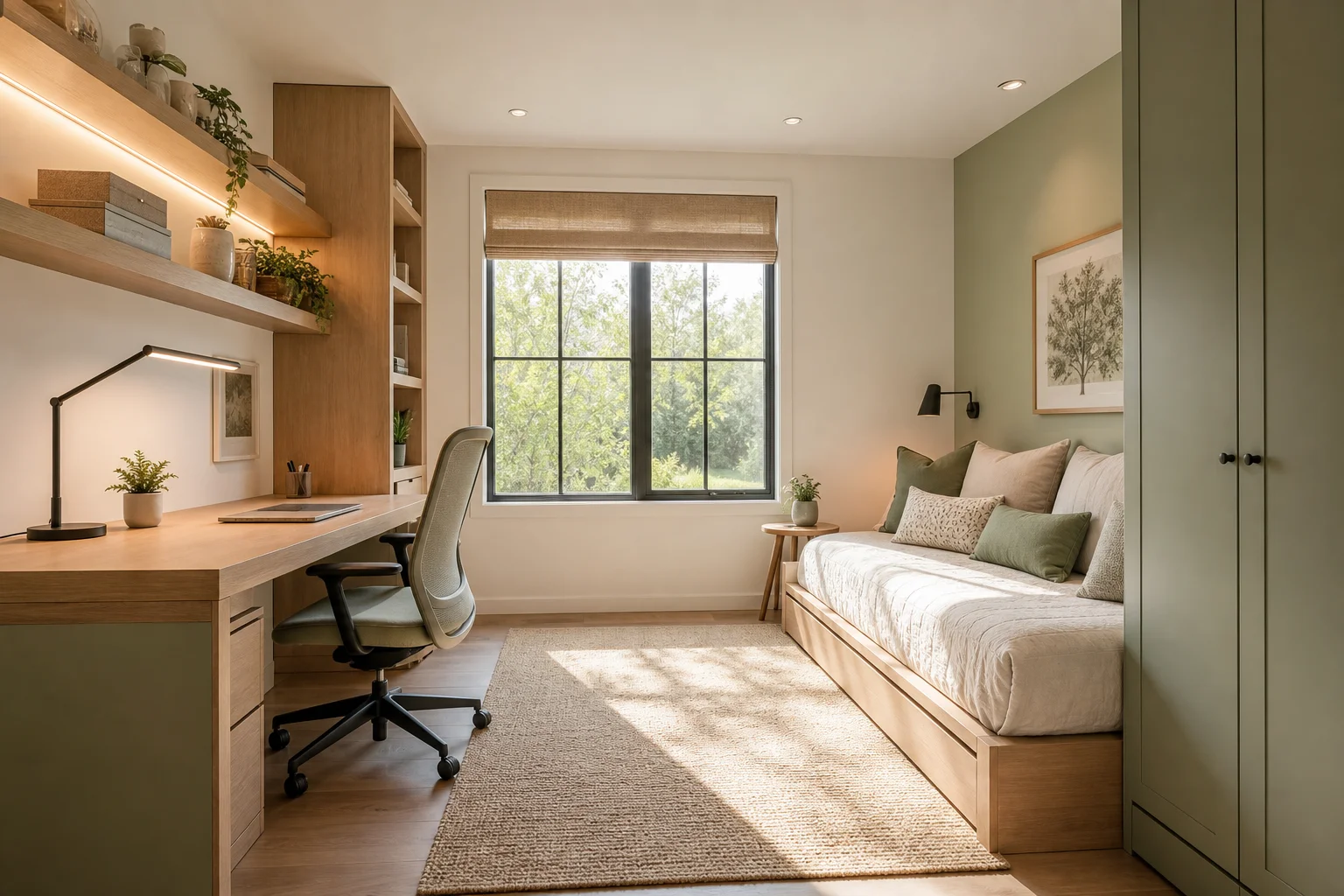
This is the most popular flex-room combo, and the trick is two zones, one room. Put the desk on the wall opposite the bed so walking to your workspace signals "work mode," not "bedroom mode." Then choose a sleeping solution that doesn't dominate the floor:
- Sofa bed or daybed: doubles as office seating, folds out for guests.
- Murphy bed: disappears into the wall, freeing the room for full-time work; many include a fold-down desk.
- Closed storage so your work clutter vanishes before guests arrive.
If you're committing to the office side, consider a focused, sophisticated scheme — our dark green home office ideas work beautifully in a dual-use room because the moody color reads as "study" by day and "cozy guest retreat" by night.
4. Guest room + nursery or hobby dual-use
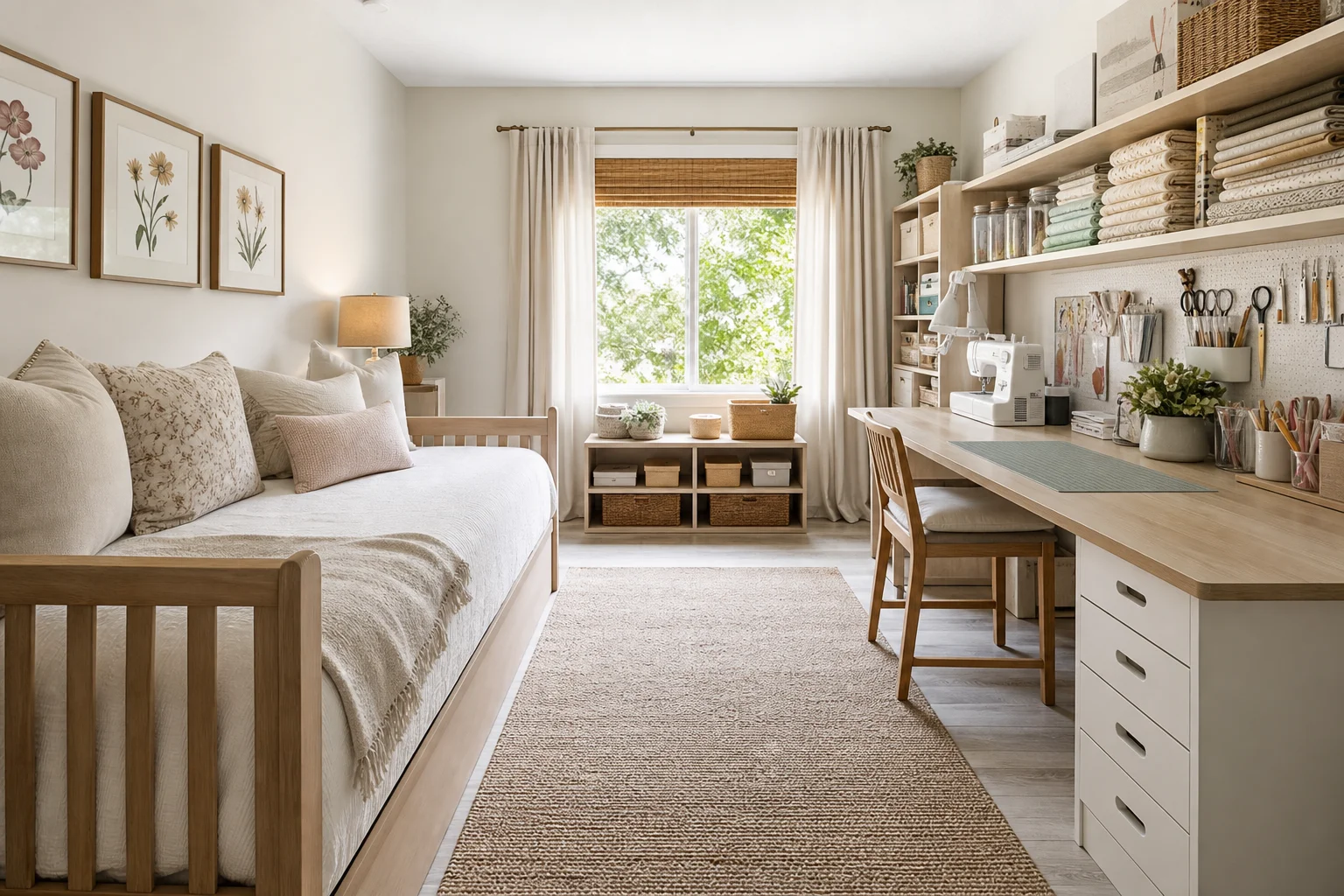
A guest room can share with more than an office. A guest-and-nursery works with a daybed or sofa bed plus a crib and a quiet corner — flexible while the baby is small. A guest-and-hobby room pairs a sleeper with a craft table, sewing station, or home gym, so the space is used weekly instead of twice a year.
The rule is the same as the office combo: give the secondary function closed storage and a defined zone, so it tidies away into a calm guest room in minutes. For a dedicated kids' version, see our playroom ideas.
5. Calming, guest-ready palettes
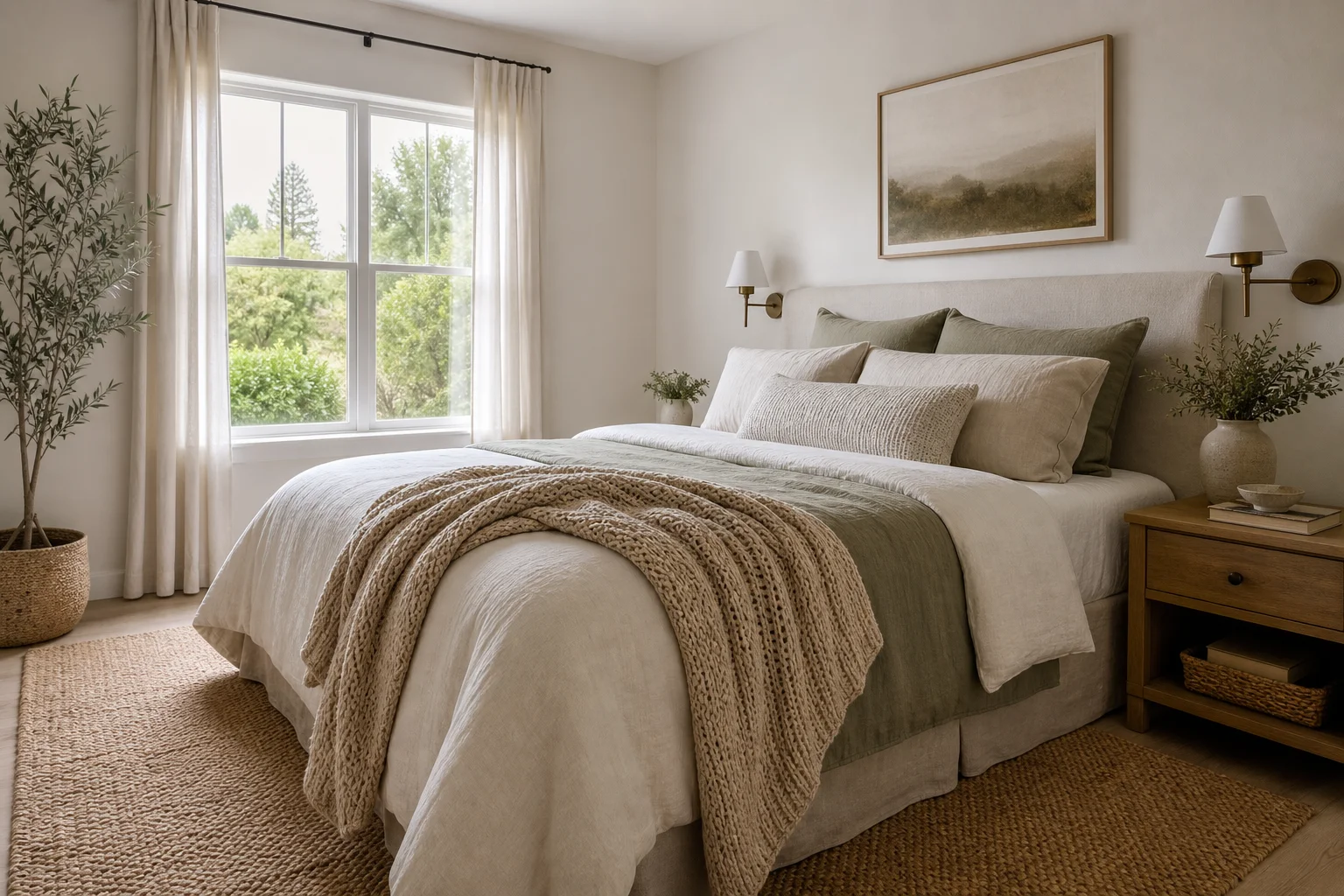
Guests relax fastest in restful, neutral palettes — they read as clean and let visitors feel at home regardless of taste. Lean on warm whites, soft greiges, muted sage or blue, and natural wood, then layer texture (linen, boucle, a knit throw) so the room feels cozy rather than bland.
Avoid anything too bold or personal here. A guest room is one place where quiet, broadly-likable color beats a statement — save the drama for rooms you live in daily.
6. The 10-minute "guest is coming" reset checklist
When a dual-use room flips back to guest mode, a quick routine makes it feel intentional:
- Clear every surface — desk, nightstands, dresser top — into closed storage.
- Fresh linens and a quick lint-roll of the bed.
- Empty drawer and hangers so guests can unpack.
- A "hotel tray" with water, a glass, phone charger, and the wifi password.
- Set the lighting — a warm bedside lamp on, blackout curtains working.
- A small welcome touch — fresh towels folded at the foot of the bed, maybe a plant.
The takeaway: a guest room doesn't need to be permanently staged — it needs a reliable 10-minute reset.
How to design your guest room before you rearrange
It's hard to see a cluttered office or spare room as a calm guest suite. Upload a photo to EasyRoomAI and generate it as a finished guest room — test a sofa bed versus a Murphy bed, a desk-and-bed dual layout, or a new calming palette — before you move a single piece of furniture.
- Try a free room redesign — anonymous previews are free, no signup needed.
- Planning the whole house? See our specialty room ideas and browse bedroom ideas.
Frequently asked questions
How do I make a small guest room feel welcoming? Focus on sleep and light: a comfortable mattress, layered white bedding, blackout curtains, and a clear bedside surface with water and a charger. Keep furniture slim, add a mirror to expand the space, and leave clear floor for a suitcase. Comfort matters far more than size.
How do I combine a home office and guest room? Create two zones in one room: put the desk on the wall opposite the bed so each area has a clear purpose. Use a sofa bed, daybed, or Murphy bed so the sleeping space doesn't dominate, and add closed storage to hide work clutter before guests arrive.
What is the best bed for a dual-purpose guest room? A sofa bed or daybed gives you everyday seating that folds out for guests, while a Murphy bed disappears into the wall to free the room for full-time work — and many include a fold-down desk. Choose based on how often you host versus how often you use the room yourself.
What colors work best in a guest room? Calming, broadly-likable neutrals: warm whites, soft greige, muted sage or blue, and natural wood, layered with texture for warmth. Restful palettes help guests of any taste feel at home — save bold, personal color for rooms you use daily.
How can I get a guest room ready quickly? Keep a 10-minute reset routine: clear all surfaces into storage, put on fresh linens, empty a drawer and some hangers, set out a tray with water and the wifi password, switch on a warm lamp, and add fresh towels. A dual-use room only needs to convert quickly, not stay staged.
A guest room earns its space when it works for you on the other 350 days too. Give it hotel-feel basics, a calm palette, and a smart dual-use layout — then preview the flip in your own room before you rearrange a thing.
Ready to Transform Your Space?
Try AI room redesign for free - no credit card required.
Start Designing FreeRelated reading
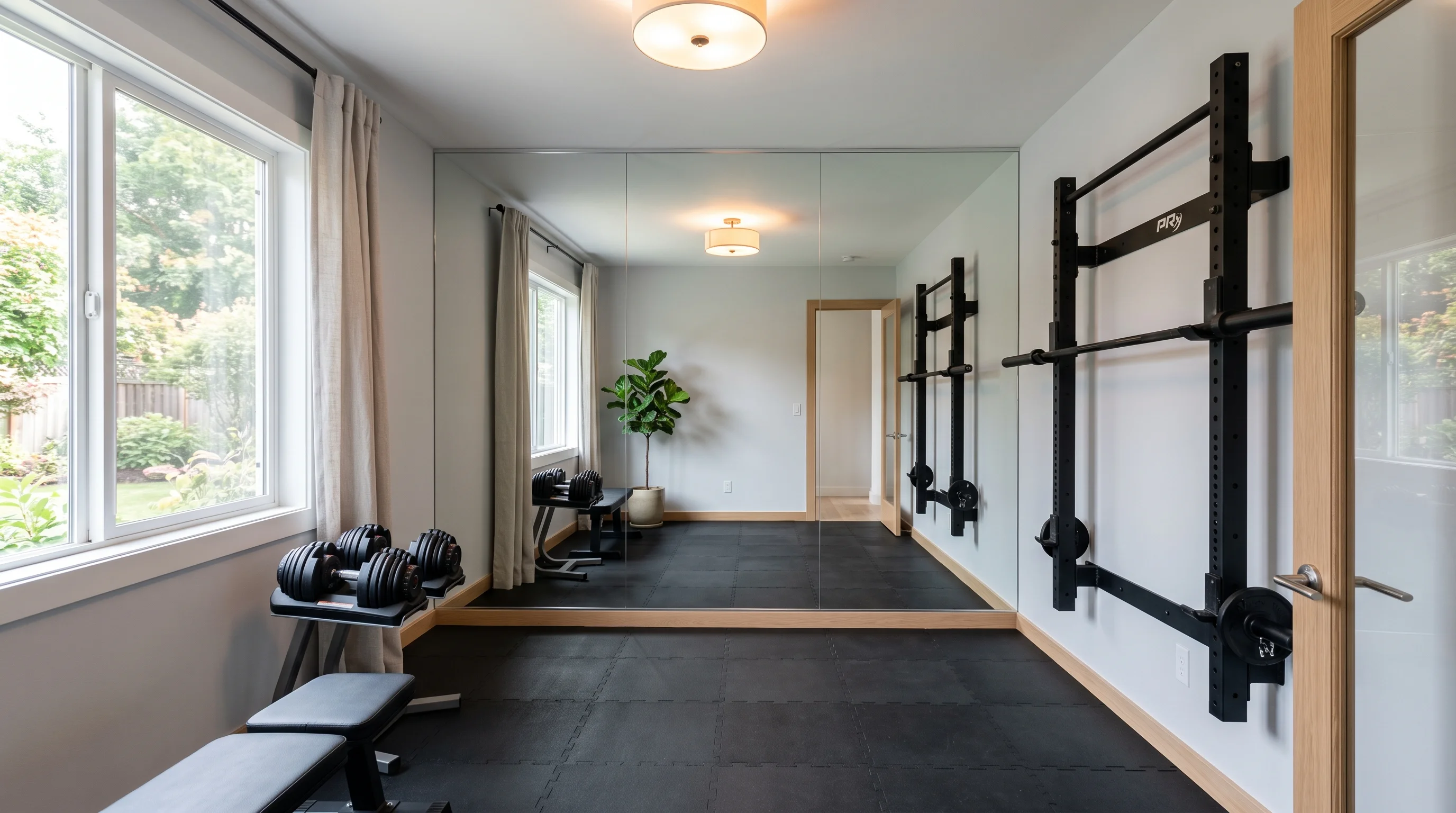
Small Home Gym Ideas 2026: How to Fit a Serious Gym in Under 100 Sq Ft
Discover clever small home gym layout ideas for 50 to 100 sq ft. Learn how to combine folding wall-mounted racks, selectorized dumbbells, vertical storage, and dual-purpose office zoning to build a studio-grade gym without sacrificing square footage.
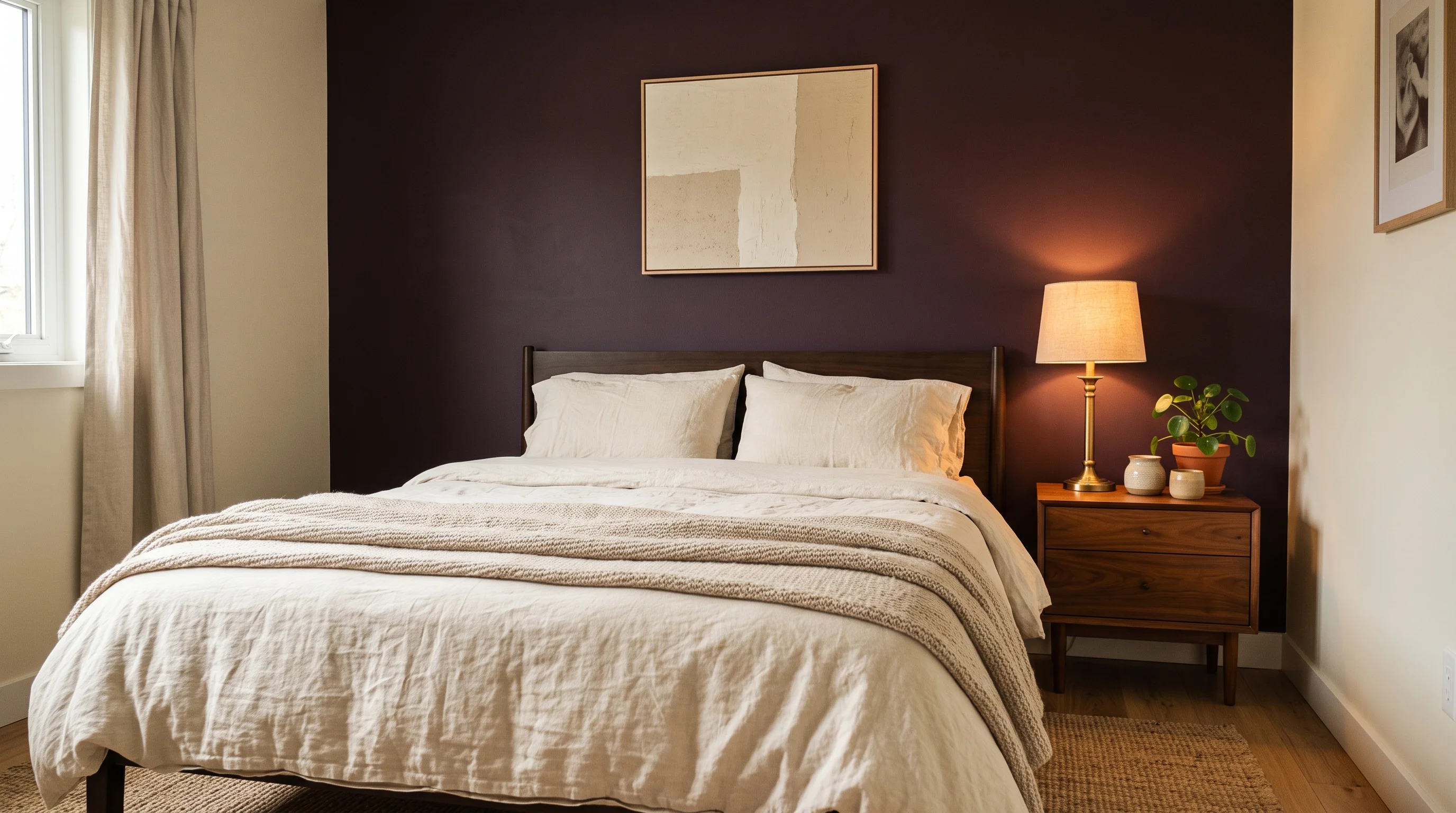
Plum Bedroom Ideas: 12 Ways to Use 2026's Most Cocooning Color
Pinterest reports Plum Noir searches up 220% with saves up 335%. Deep plum is 2026's answer to the all-white bedroom — cocooning, sophisticated, and surprisingly easy to live with. Here are 12 ways to use it.
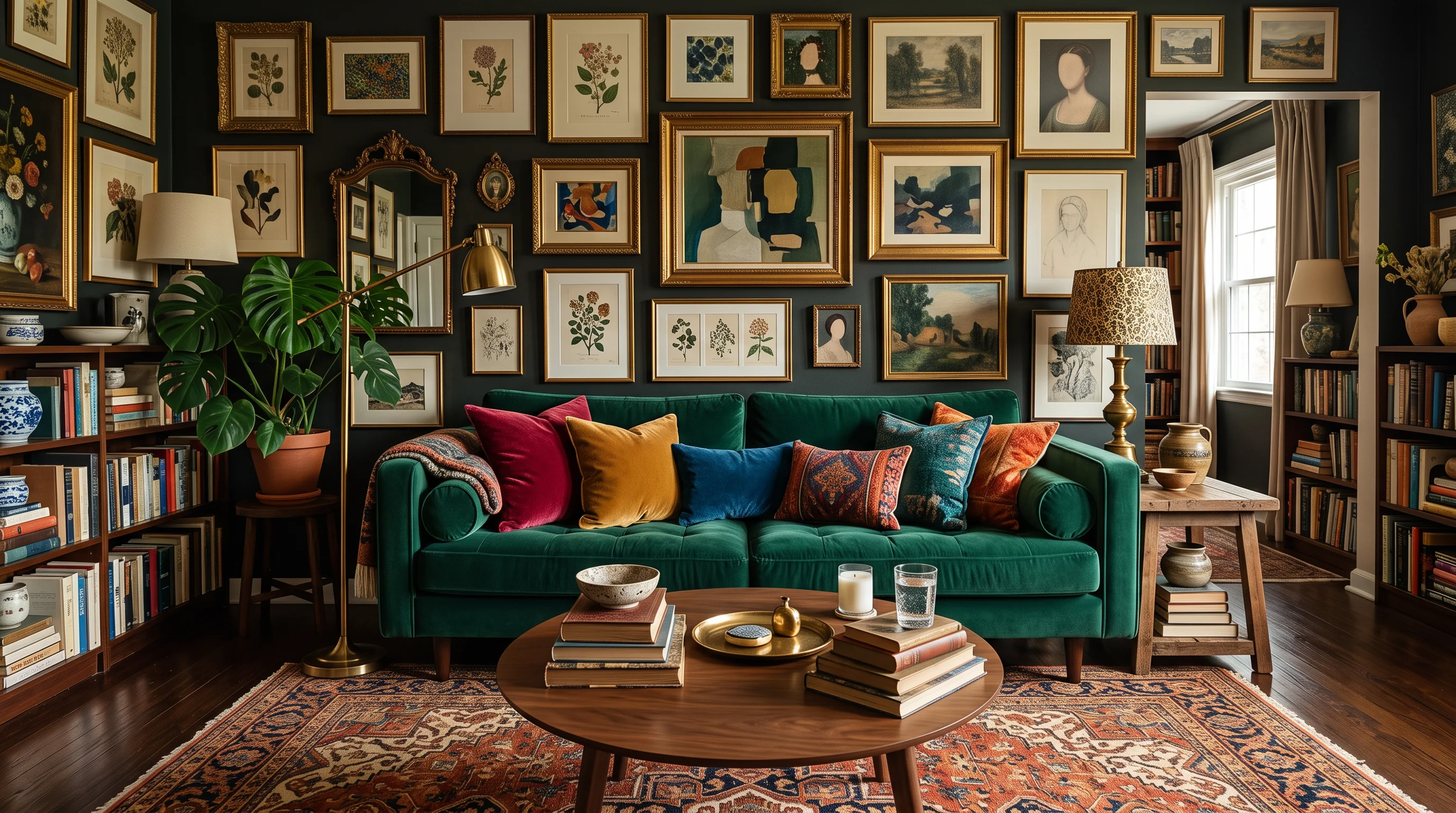
Maximalist Interior Design: The 2026 Guide to Bold, Curated, Personal Spaces
Minimalism had its decade. Pinterest reports eclectic apartment searches up 630% and vintage maximalism up 260%. Here is how to do maximalist interiors with intention — bold color, layered pattern, personal story, zero chaos.