7 Outdated Interior Design Trends in 2026 (and What’s Replacing Them)
All-grey rooms, matchy furniture sets, open-shelving overload, cool-white LEDs — seven looks that now date a home, and the warmer 2026 replacement for each.
 Easy Room AI Team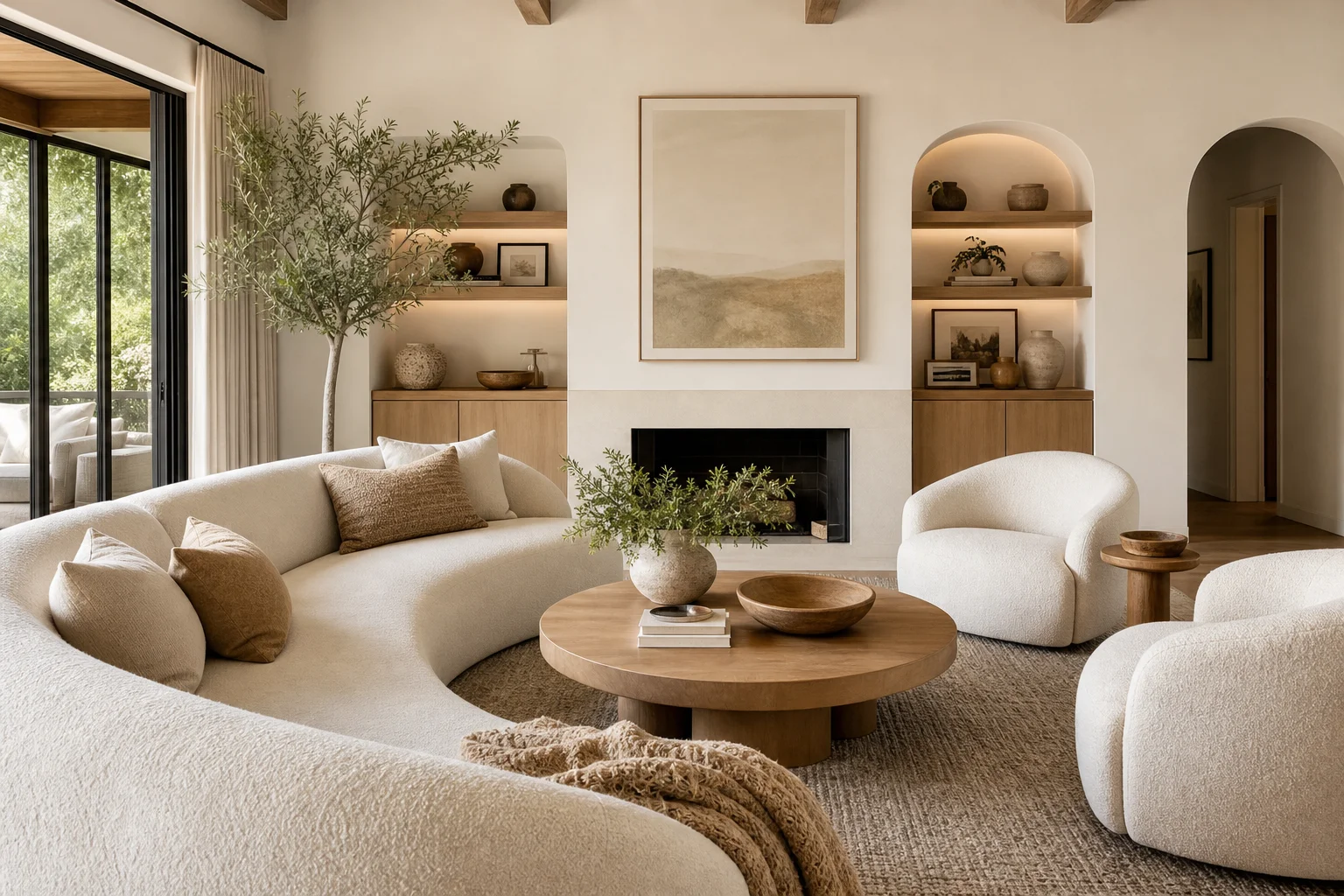
In a 2026 Fixr survey of 86 interior designers, 93% agreed that one look is officially out: cool, blue-toned "millennial gray." It is not an isolated verdict. The 2026 Colors of the Year landed three warm tones in a row — Sherwin-Williams Universal Khaki, Benjamin Moore Silhouette (a deep espresso brown), and Pantone's Mocha Mousse — a clear signal that the decade of cool, builder-grade minimalism is ending.
Trends do not expire overnight, and there is nothing wrong with a look you genuinely love. But if a room feels stuck in the 2010s, it is usually one of these seven culprits — and each has a warmer, more current replacement you can phase in without a renovation.
In this guide you will learn:
- The seven interior trends designers say are dating homes in 2026
- The survey and color data behind each call
- The exact warmer replacement for each one
- The cheapest-first order to make the switch (paint comes last)
- How to preview the new look on your own room before you spend
The 7 outdated trends at a glance
| Outdated (2010s) | What's replacing it in 2026 |
|---|---|
| All-grey everything | Warm neutrals (greige, mushroom, khaki) |
| Matchy furniture sets | Collected, mixed-era pieces |
| Sharp, boxy hard edges | Soft curves and arches |
| Open-shelving overload | Balanced closed + open storage |
| Head-to-toe farmhouse | Warm modern / modern heritage |
| Cool-white LED everything | Layered warm (2700K) light |
| Bold painted accent walls | Texture and color drenching |
1. All-grey everything → warm neutrals
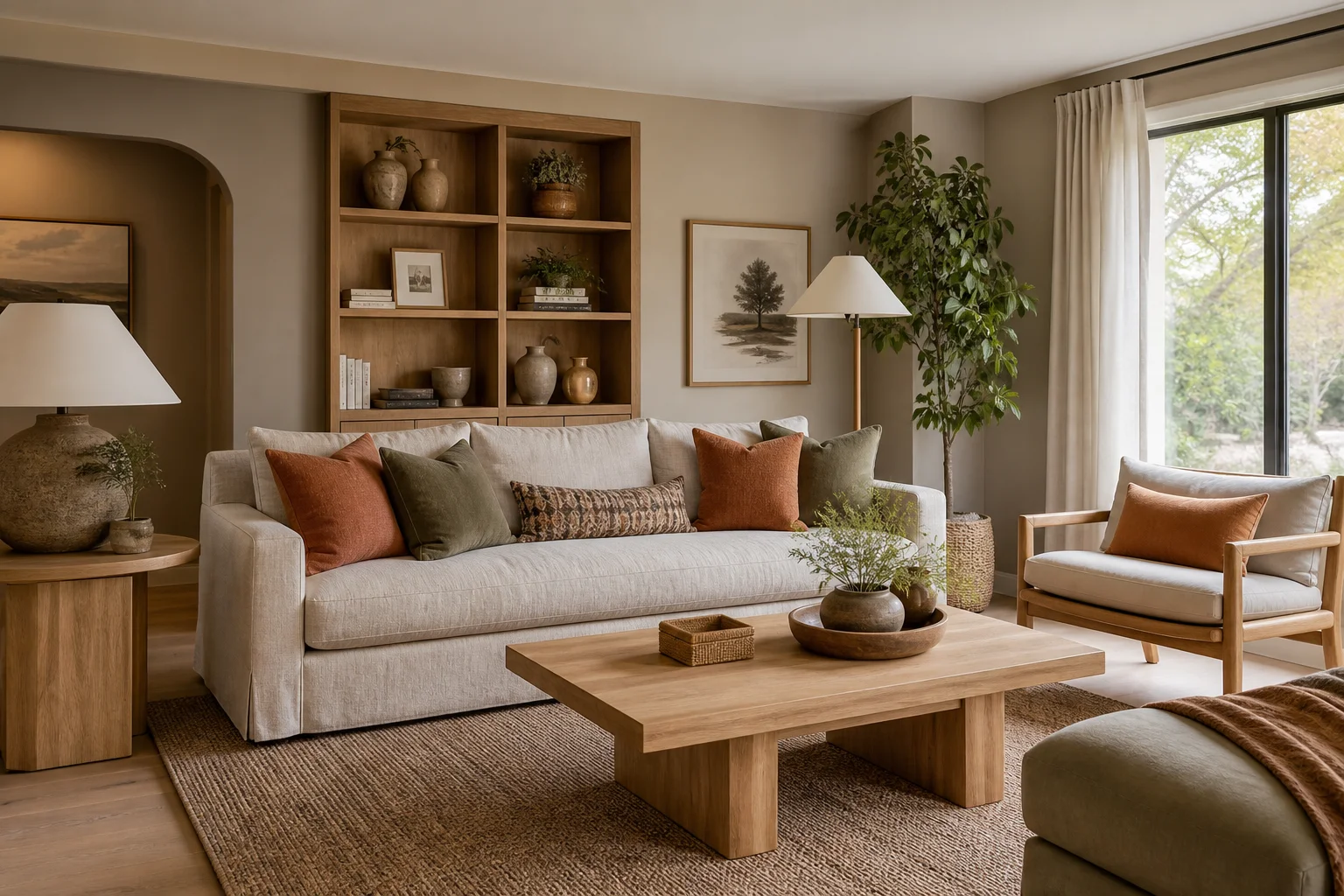
The cool-grey-on-grey palette that defined the 2010s now reads flat and a little cold — and the data is blunt about it. In Fixr's 2026 report, 93% of designers said cool-toned gray is on the way out. Professional stagers go further: warmer palettes can lift a home's appeal by 3–5% — real money on a median-priced home.
The replacement is not beige-blandness. It is warm neutrals: greige, oatmeal, mushroom, soft clay, and khaki, layered with natural wood. The room keeps its calm but gains warmth and depth. And if you are not ready to repaint, you do not have to — see the cheapest-first order below.
Redesign Your Room in Seconds
Upload a photo of your space to test 16 curated design styles instantly with AI — 100% free.
Supports JPG, PNG, WebP up to 10MB
2. Matchy furniture sets → collected pieces
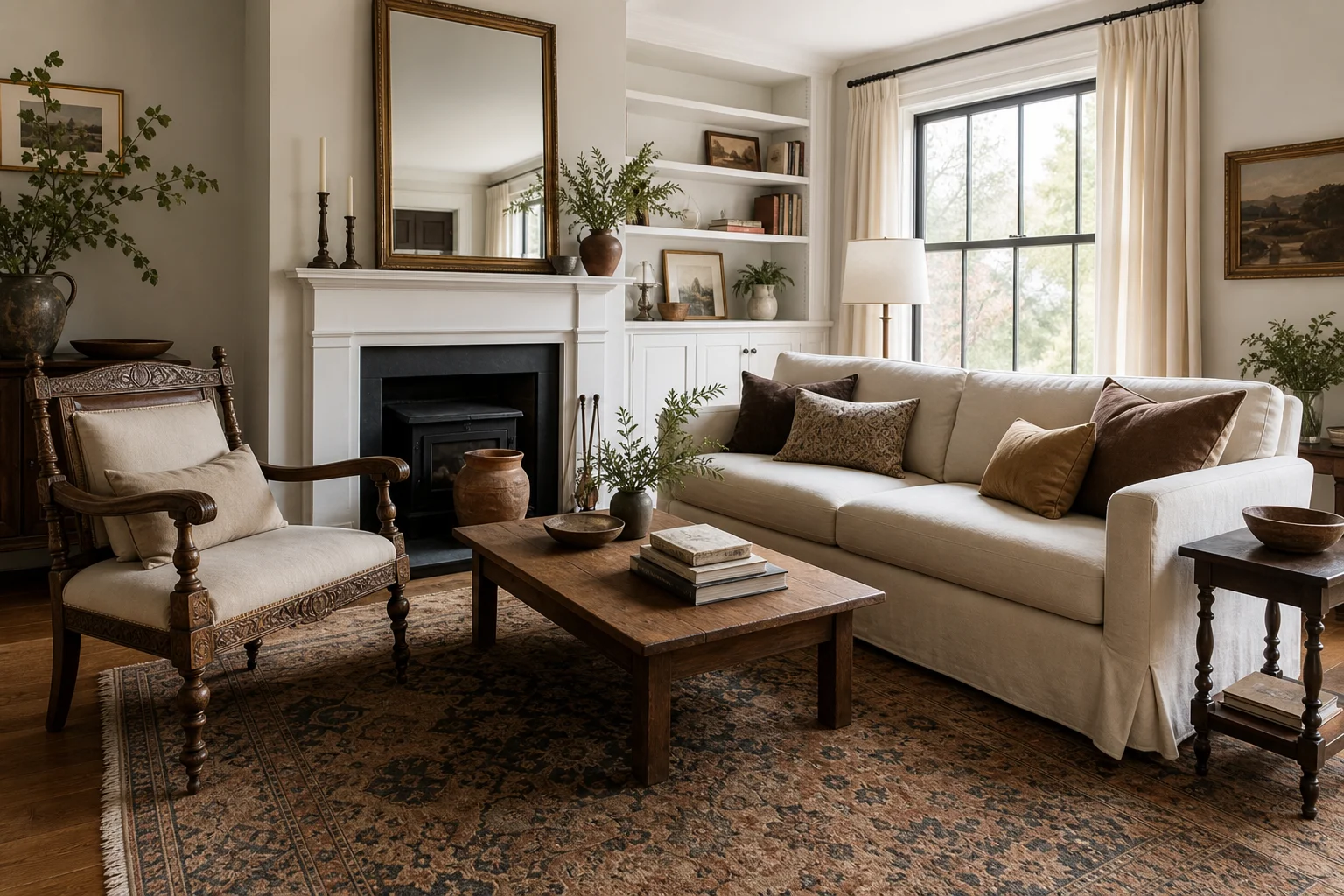
Buying the sofa, loveseat, and two chairs in one matching set makes a room look like a showroom floor, not a home. It is part of a bigger problem designers keep flagging: sameness — too many rooms got "assembled from the same internet mood board" of grey floors, white cabinets, black hardware, and matching sets.
The current approach is mixing: different woods, eras, and textures that share a palette but not a catalogue page. One vintage piece against modern ones instantly looks more personal — and it is usually cheaper than a brand-new matching set.
3. Sharp, boxy hard edges → soft curves
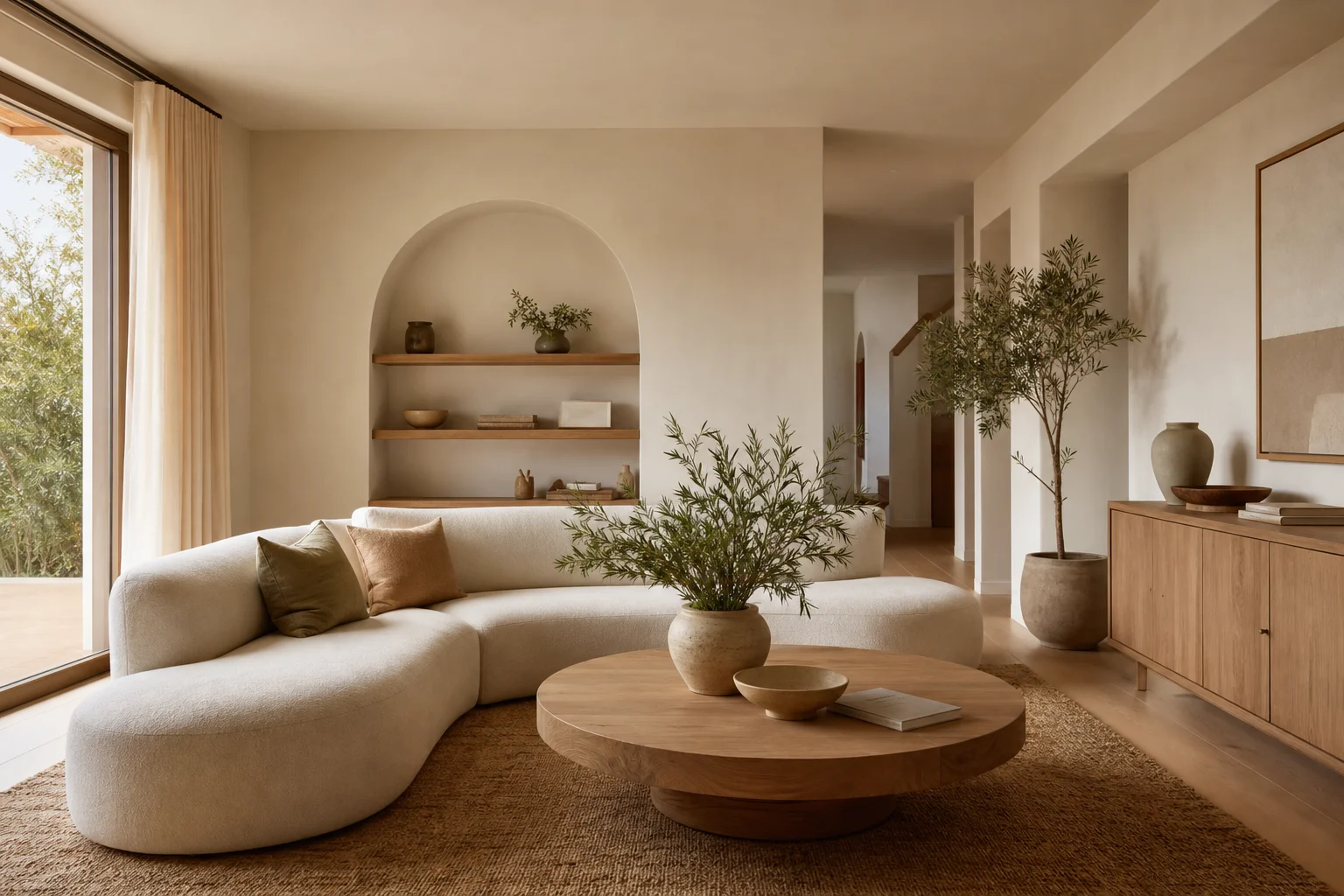
A decade of rigid, boxy minimalism has tipped over into something softer. Houzz logged sharp jumps in curved searches for 2026 — "rounded kitchen island" up 123% and "arched range hood" up 177% — as curved sofas, rounded coffee tables, and arched niches spread across every room.
You do not need to replace everything: one curved element in a hard-edged room resets the whole mood. Curves are having a particular moment in the kitchen — see our guide to curved pantry shelving.
4. Open-shelving overload → balanced storage
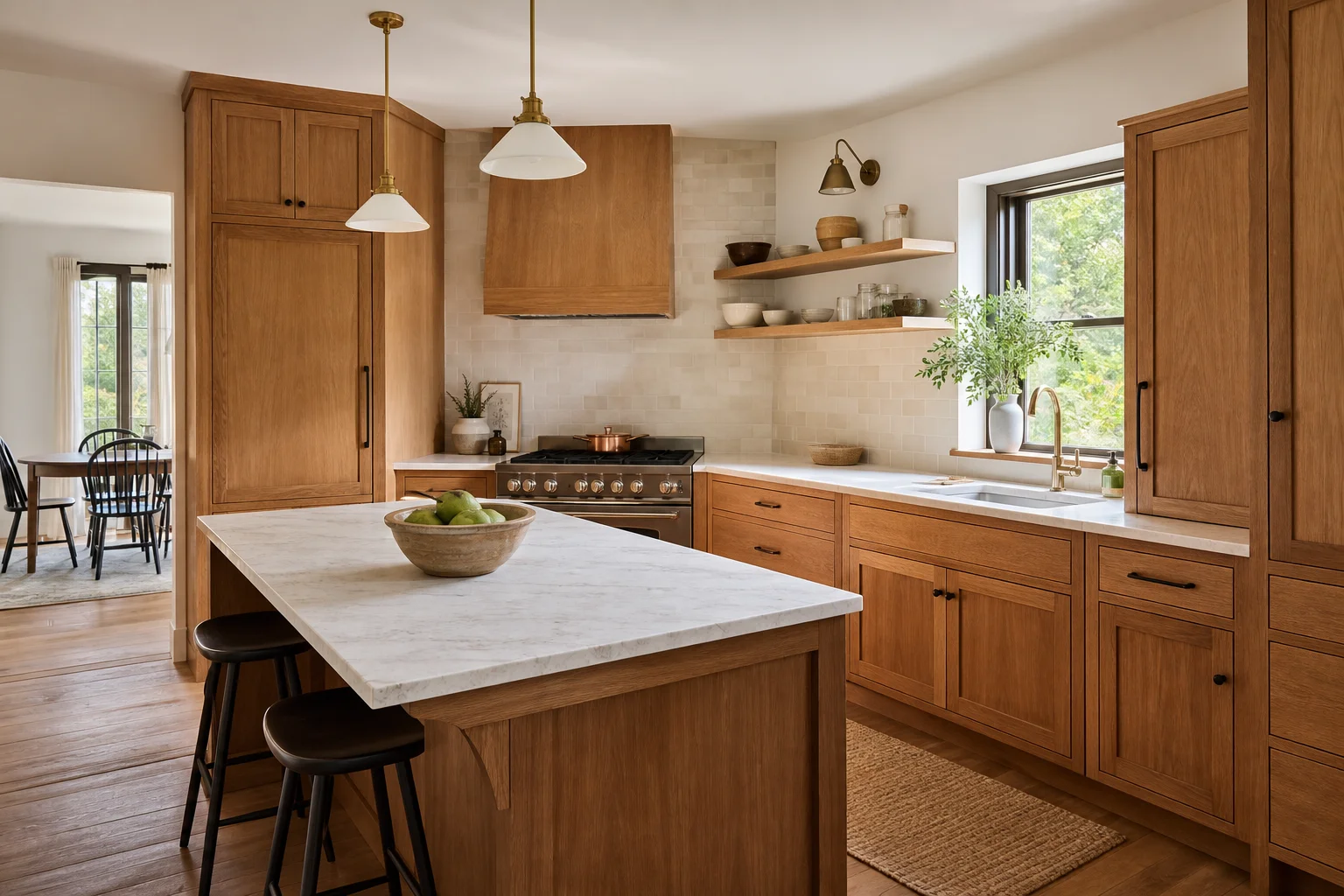
Kitchens and living rooms wrapped entirely in open shelving photographed beautifully — and then collected dust. It tracks with the broader kitchen shift: Houzz found wood overtook white as the most popular cabinet finish in 2026 (29% vs 28%), and as Real Simple put it, "the era of the all-white kitchen is over."
The fix is a balance of closed and open: cabinets and drawers for the everyday clutter, a few open shelves for the things actually worth displaying.
5. Head-to-toe farmhouse → warm modern
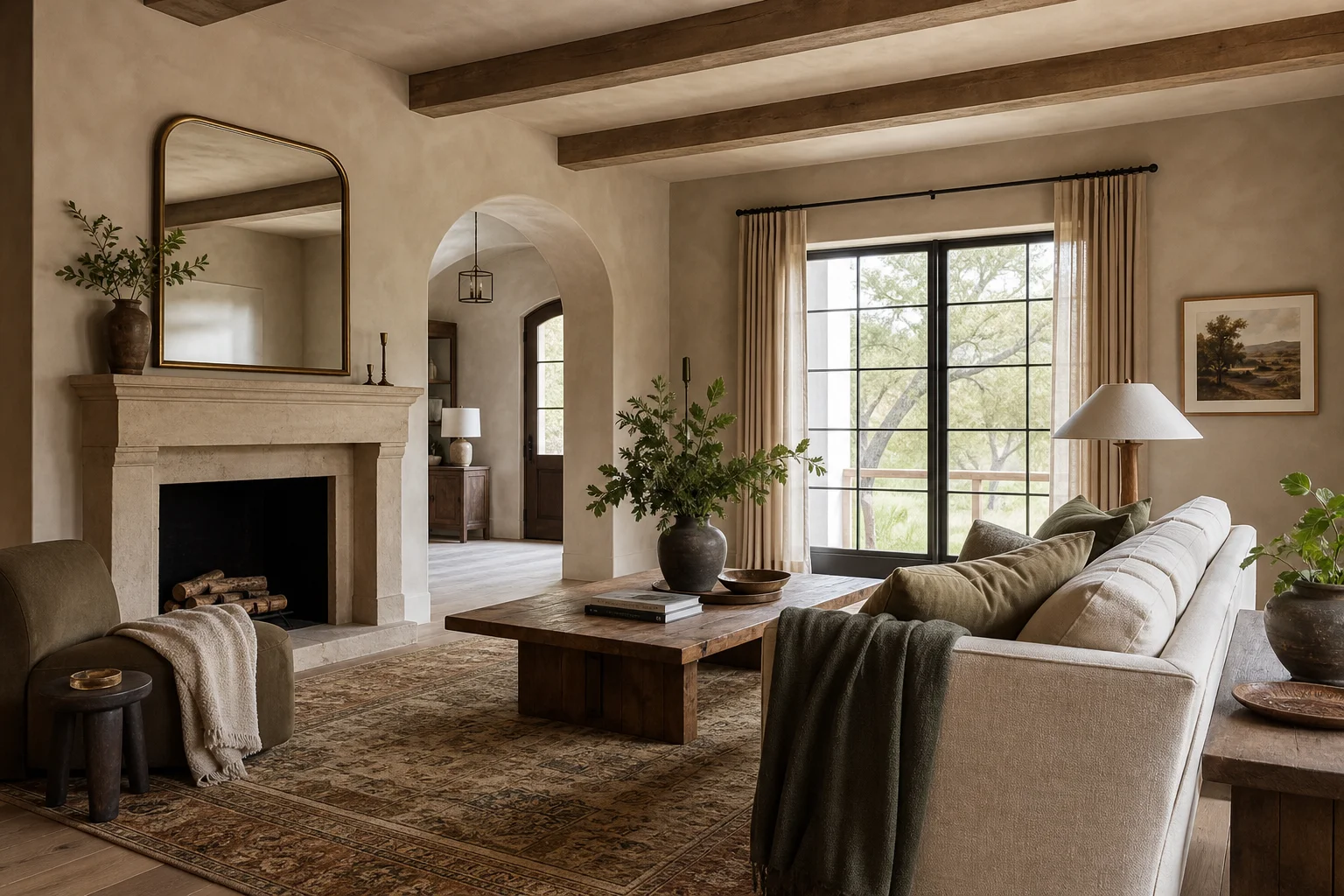
Shiplap on every wall, sliding barn doors, and "Live Laugh Love" signage have aged fast. Good Housekeeping declared farmhouse style "officially out" for 2026, with designers calling the mass-market version "builder-grade and really cold." Even Joanna Gaines has retired wall-to-wall shiplap in favor of moodier, nature-forward rooms.
The replacement keeps the cosiness but loses the kitsch: warm modern, modern heritage, and Japandi — natural wood, limewashed plaster, honest materials, and a quieter palette. You do not have to gut anything: paint the shiplap a warm tonal beige, swap black hardware for brass, and trade word art for pieces that actually mean something.
6. Cool-white LED everything → layered warm light
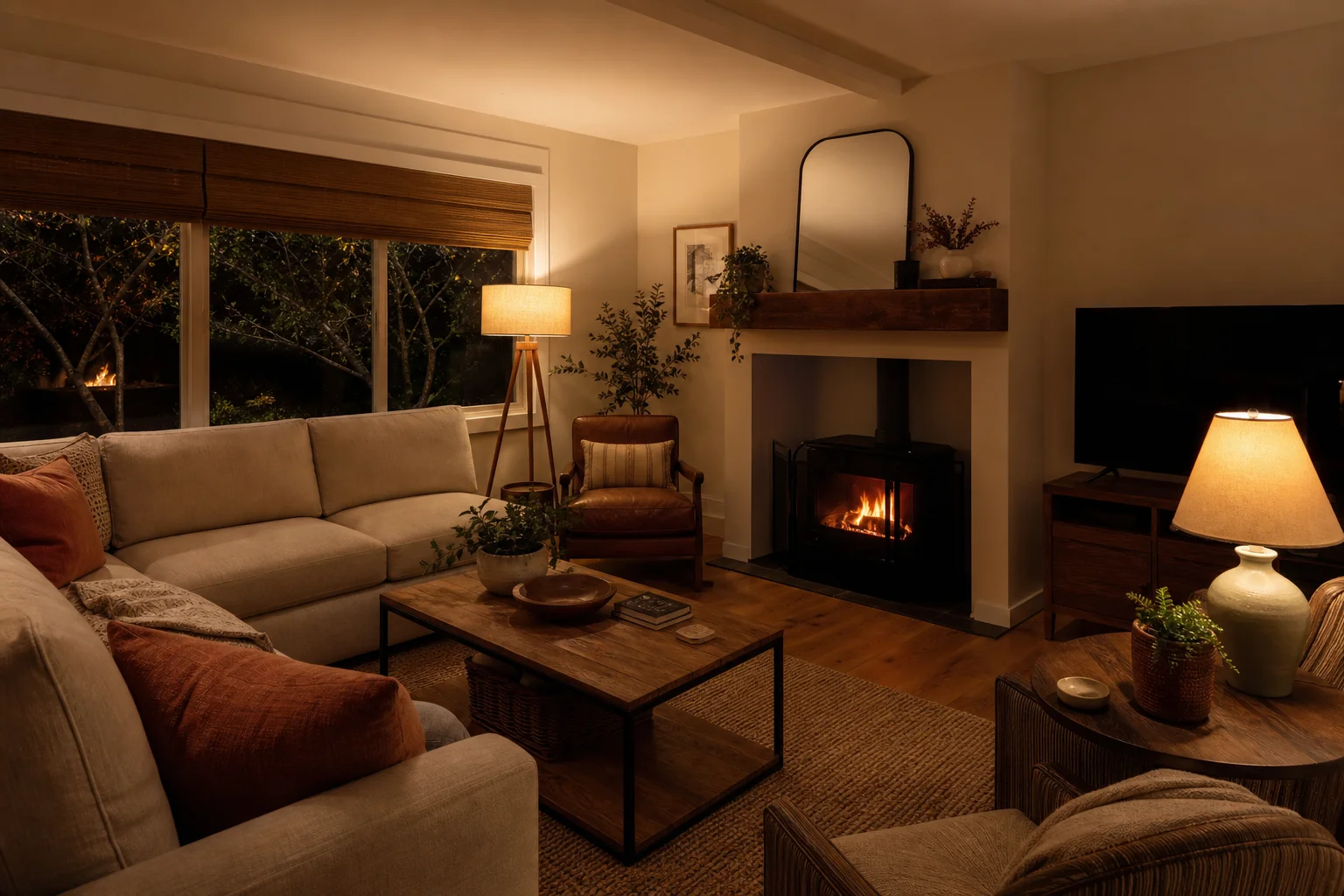
Flooding a room with a single cool-white ceiling light is one of the quickest ways to make it feel like an office — and 70% of designers in Fixr's survey said to avoid cool whites indoors. The fix costs almost nothing: layer warm light (2700K) from a few sources — a table lamp, a floor lamp, and dimmable overheads — so the room has depth in the evening instead of one harsh glare. A 12-pack of 2700K bulbs runs about $30 and is the single highest-impact change on this list.
7. Bold painted accent walls → texture and color drenching
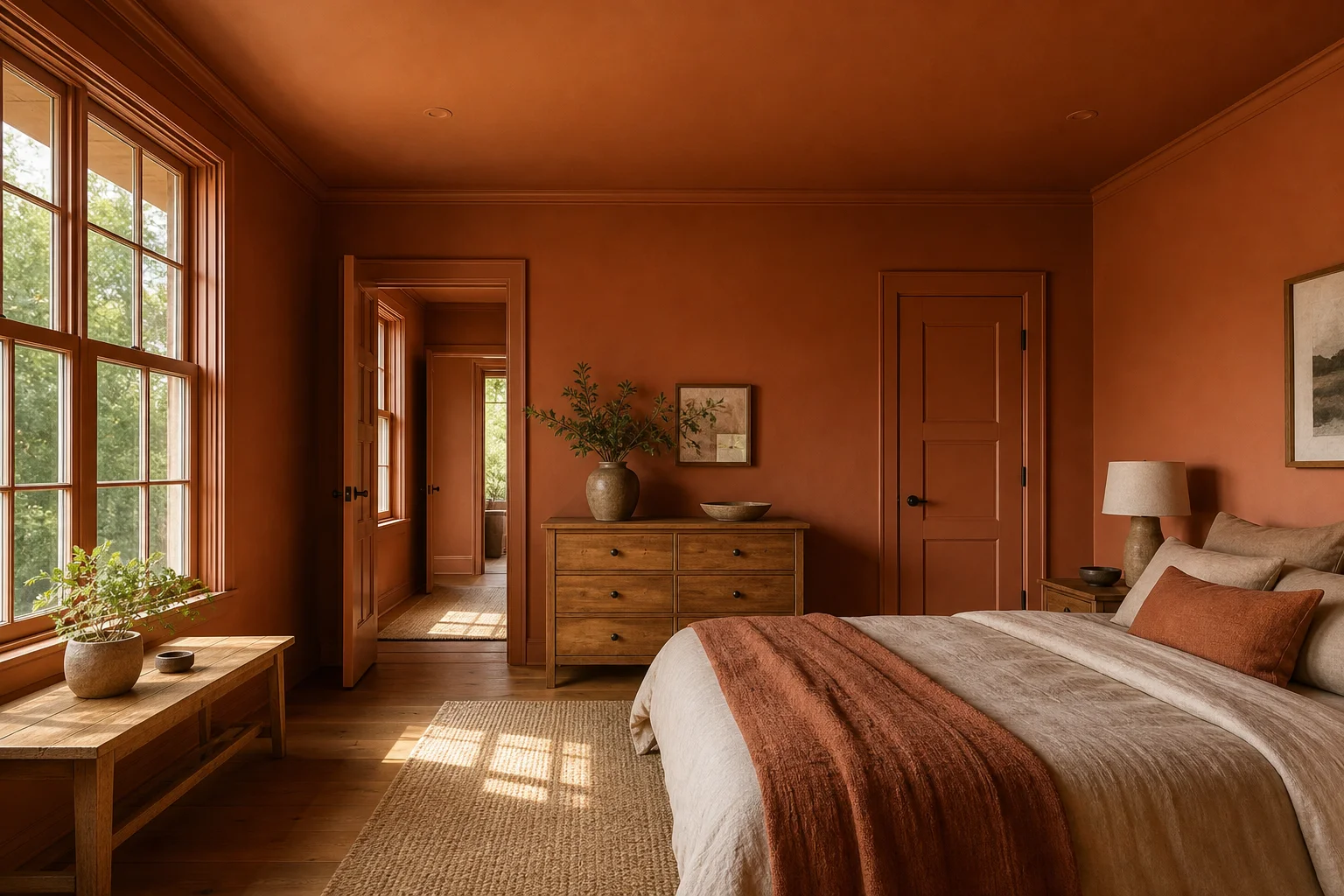
The single wall in a saturated colour is on its way out — 38% of designers now call accent walls dated — because one bold wall divides a room instead of unifying it, leaving the other three "looking like they didn't get invited."
Two replacements are winning. The first is color drenching: wrapping walls, trim, and ceiling in one warm, earthy hue so the whole room reads as a single intentional thought (named a top color trend by 55% of experts). The second is texture as the accent: a limewash finish, a wood-slat panel, or a stone surround. The interest comes from how a surface catches light, not from one loud rectangle.
You don't need to renovate — do it cheapest-first
Notice the pattern: almost none of these updates require construction. The smart order is cheapest and most reversible first, because paint is the most expensive and least reversible step.
- Swap the bulbs to 2700K (~$30). Instantly warms every other colour in the room.
- Add wood. One walnut or oak piece — thrifted is ideal — bridges cool and warm.
- Layer textiles. Terracotta, rust, and olive throws and cushions add warmth for under a few hundred dollars.
- Then, and only then, paint. Live with the first three changes for a few weeks before committing to a colour.
See it on your own room first
The risk with any trend has never been the cost of the change — it is committing to a new direction before you can picture it in your own space.
That is exactly what EasyRoomAI removes. Upload one photo and see your room redesigned across current, warmer styles — warm neutrals, Japandi, Scandinavian, Mid-Century — with your real layout kept and only the look updated. Compare a few directions side by side, then decide what to actually buy or paint.
- Start with a free redesign — anonymous previews, no signup.
- Browse design ideas across rooms and styles for inspiration on your own space.
Frequently asked questions
Is millennial gray really out of style in 2026? According to Fixr's 2026 survey of interior designers, 93% say cool, blue-toned gray is on the way out, and three warm Colors of the Year in a row (Sherwin-Williams Universal Khaki, Benjamin Moore Silhouette, Pantone Mocha Mousse) confirm the shift. That said, "the trend is over" is not the same as "you must repaint" — gray still works in north-facing offices and as a trim or accent. If you have gray walls you like, warm them with light, wood, and textiles first.
What is replacing gray in 2026 interiors? Warm, earthy neutrals — greige, mushroom, khaki, clay, and deep brown — plus restorative greens and nature-infused tones. Designers favor them because they read warmer and more grounding than flat cool gray.
Is farmhouse style completely dead? No — the mass-produced "Pinterest farmhouse" template (wall-to-wall shiplap, barn doors, word signs) is what designers say is out. The warmth-forward core is evolving into modern heritage and warm modern: real wood, limewashed plaster, tonal paint, and vintage pieces instead of factory-distressed kits.
Are accent walls outdated? Around 38% of designers now consider single painted accent walls dated because they divide a room. The current alternatives are color drenching (one warm hue on walls, trim, and ceiling) and texture as the accent (limewash, wood slats, stone).
Do I have to renovate to update an outdated room? Almost never. The highest-impact changes are also the cheapest: switch to 2700K bulbs, add a wood piece, and layer warm textiles. Paint comes last because it is the most expensive and least reversible step.
How can I tell if an update suits my room before I commit? Test it virtually. Upload a photo to EasyRoomAI and preview your room in warmer, current styles before spending on paint or furniture.
Trends will keep turning over. The smartest move is not chasing every one — it is updating the few things that date a room (palette, light, a couple of pieces) and testing the result before you commit.
Ready to Transform Your Space?
Try AI room redesign for free - no credit card required.
Start Designing FreeRelated reading
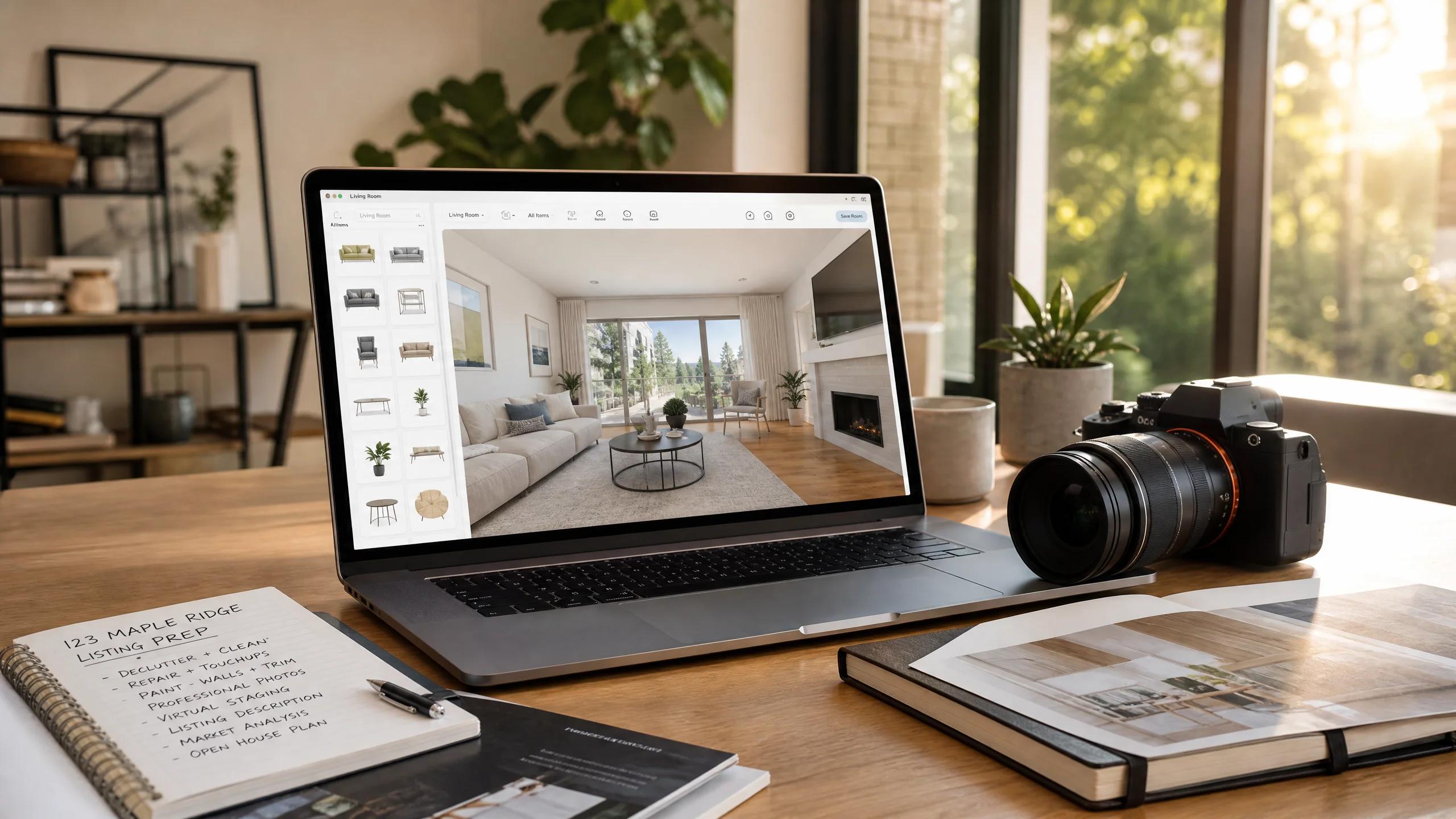
DIY Virtual Staging Software: How to Stage Listings Yourself in 2026 (Tools, Costs & Step-by-Step Guide)
Stop paying $24–$35 per photo to outsourcing agencies. Compare the top DIY virtual staging software in 2026, master the 5-step realtor staging workflow, and avoid costly MLS disclosure and perspective mistakes.
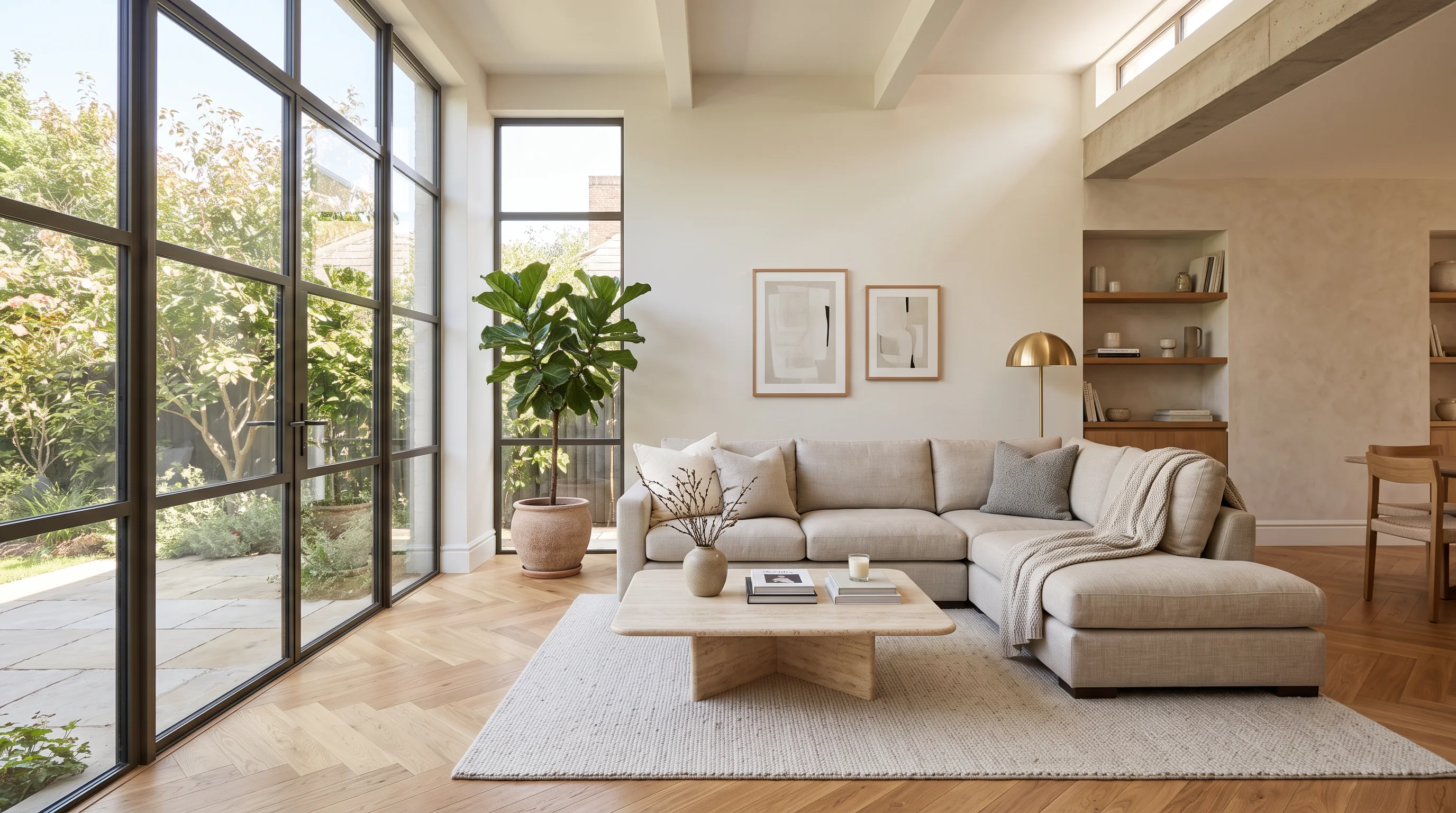
Floor Virtual Staging: How to Replace Flooring in Real Estate Photos – Without Renovating (2026 Guide)
Discover how AI floor virtual staging replaces worn carpet and dated vinyl with luxury white oak hardwood in seconds. Recover 147% resale ROI while staying 100% MLS compliant.
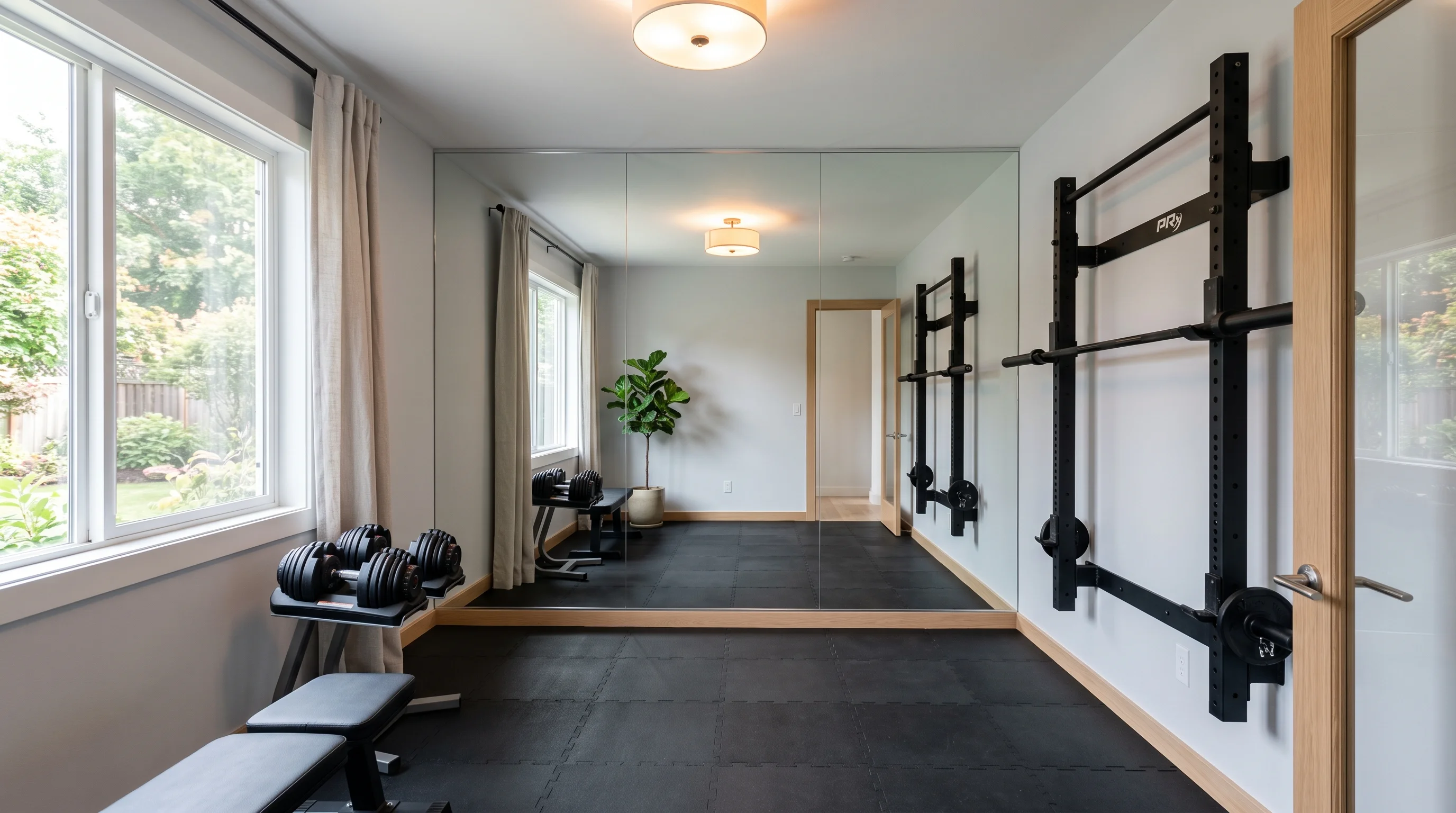
Small Home Gym Ideas 2026: How to Fit a Serious Gym in Under 100 Sq Ft
Discover clever small home gym layout ideas for 50 to 100 sq ft. Learn how to combine folding wall-mounted racks, selectorized dumbbells, vertical storage, and dual-purpose office zoning to build a studio-grade gym without sacrificing square footage.